



AD
Cinnamaldehyde Diethyl Acetal(CAS: 7148-78-9)
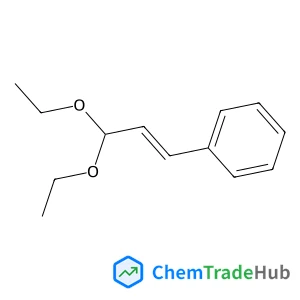
CAS Number
Related Products
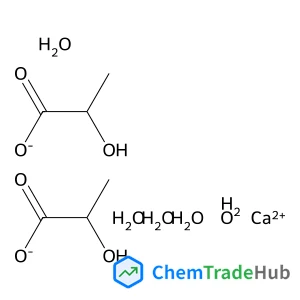
Calcium Lactate Pentahydrate
CAS Number: 5743-47-5
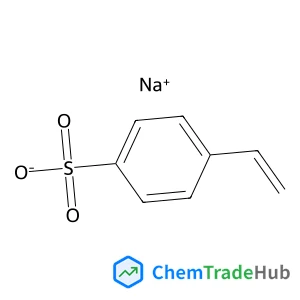
Sodium 4-vinylbenzenesulfonate
CAS Number: 2695-37-6
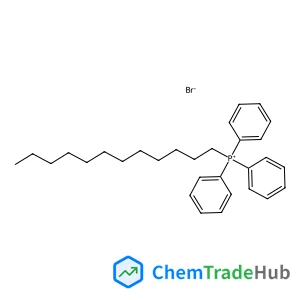
Dodecyl(triphenyl)phosphonium bromide
CAS Number: 15510-55-1
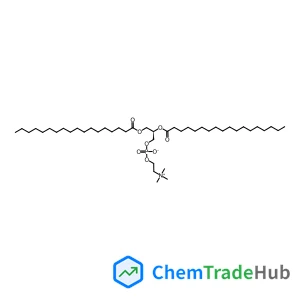
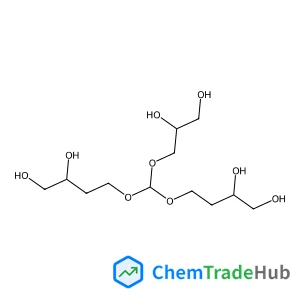
Poly(Propylene Glycol)
CAS Number: 25791-96-2
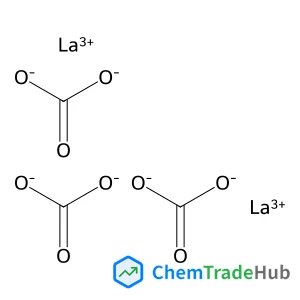
LANTHANUM CARBONATE
CAS Number: 587-26-8
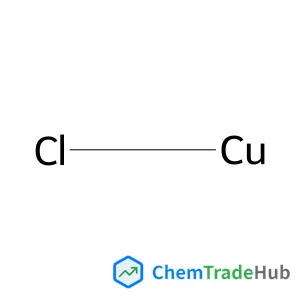
Copper(1+) chloride
CAS Number: 1344-67-8
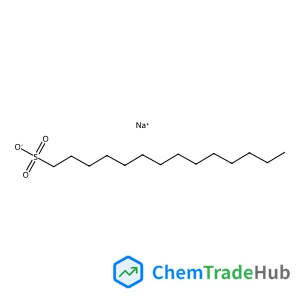
Sodium 1-tetradecanesulfonate
CAS Number: 6994-45-2
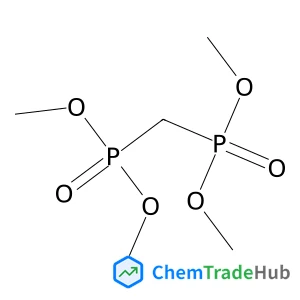
Tetramethyl methylenebis(phosphonate)
CAS Number: 16001-93-7
Other Suppliers for Cinnamaldehyde Diethyl Acetal



Basic Information
Molecular Formula
C13H18O2
Molecular Weight
206.28 g/mol
Physical Properties
Boiling Point
297.6 °C at 760 mmHg
Density
0.984
Flash Point
110.1 °C
Chemical Identifiers
SMILES
CCOC(C=CC1=CC=CC=C1)OCC
InChIKey
VYKDEWVAUWARRX-ZHACJKMWSA-N
Database References
MDL Number
MFCD00672803
FAQ
Cinnamaldehyde Diethyl Acetal (CAS: 7148-78-9) is classified under the GHS as a flammable liquid category 3. It is subject to REACH regulations, particularly regarding registration, evaluation, and authorization. For FDA and EPA, it is regulated under the FIFRA (Federal Insecticide, Fungicide, and Rodenticide Act) and TSCA (Toxic Substances Control Act) respectively, focusing on environmental and occupational safety standards.
Alternatives to Cinnamaldehyde Diethyl Acetal include its parent compound, cinnamaldehyde, and other diethyl acetal derivatives. Isomers like (Z)- and (E)-cinnamaldehyde can also serve as effective alternatives in certain syntheses. For specific applications, substituent modifications or analogous compounds may be more suitable, depending on the desired properties or reactivity.
The market for Cinnamaldehyde Diethyl Acetal is driven by its use in fragrance and flavoring industries. Research trends focus on its potential in pharmaceuticals and as a flavoring agent in food and beverages. Emerging studies are exploring its biodegradability and bioavailability, which could impact its market demand and regulatory landscape.
Waste containing Cinnamaldehyde Diethyl Acetal should be collected in appropriate containers and stored in a well-ventilated area. Incineration is a common disposal method, but it should be conducted in a controlled environment to minimize environmental impact. Alternatively, professional waste disposal services should be utilized to ensure compliance with environmental regulations and safe disposal.
Safety Notice
Please verify product specifications and safety data before use. Contact the supplier for detailed safety information.
Always follow proper handling procedures
Contact Information
Contact Person
Manager Shi
1373640151@qq.com