



AD
Methyl 1-methyl-3-piperidinecarboxylate(CAS: 1690-72-8)
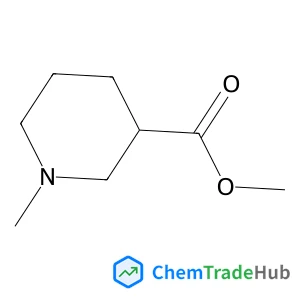
CAS Number
Related Products
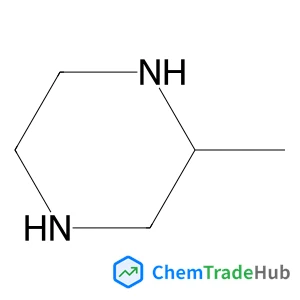
(2R)-2-Methylpiperazine
CAS Number: 75336-86-6
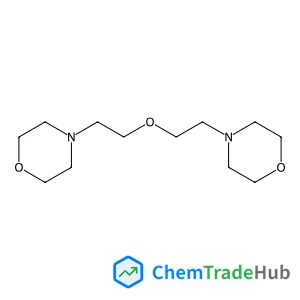
4,4'-(Oxydi-2,1-ethanediyl)dimorpholine
CAS Number: 6425-39-4

N-Methylmethanamine hydrochloride (1:1)
CAS Number: 506-59-2
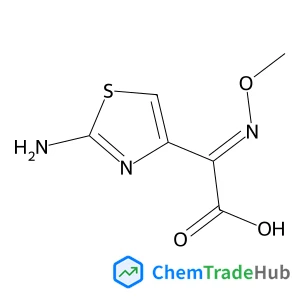
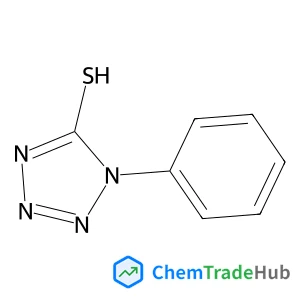
1-Phenyl-1H-tetrazole-5-thiol
CAS Number: 86-93-1
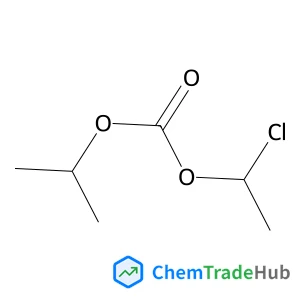
1-Chloroethyl isopropyl carbonate
CAS Number: 98298-66-9
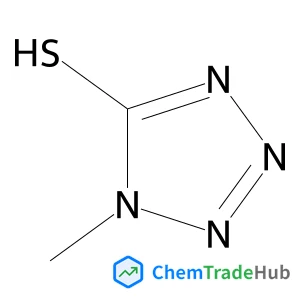
1-methyl-1H-1,2,3,4-tetrazole-5-thiol
CAS Number: 13183-79-4
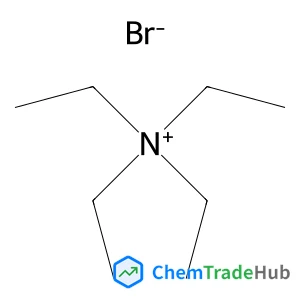
N,N,N-Triethylethanaminium bromide
CAS Number: 71-91-0
Other Suppliers for Methyl 1-methyl-3-piperidinecarboxylate




Basic Information
Molecular Formula
C8H15NO2
Molecular Weight
157.21 g/mol
Physical Properties
Boiling Point
bp12 83-84°
Chemical Identifiers
SMILES
CN1CCCC(C1)C(=O)OC
InChIKey
LLEOWWWENNCINW-UHFFFAOYSA-N
Database References
MDL Number
MFCD00128793
Beilstein Registry Number
0118370
FAQ
Methyl 1-methyl-3-piperidinecarboxylate (CAS: 1690-72-8) is a colorless liquid with a molecular weight of approximately 141.18 g/mol. It has a pKa of around 12.5, indicating basic properties. The compound is soluble in organic solvents such as ethanol and acetone. It is slightly soluble in water. It is relatively stable under normal conditions but can react with strong acids to form carboxylic acid derivatives.
Methyl 1-methyl-3-piperidinecarboxylate (CAS: 1690-72-8) can be synthesized via the condensation of methyl acetoacetate with 1-methylpiperazine. Commonly, the reaction is carried out in the presence of a base like sodium hydroxide or potassium carbonate. The yield and selectivity of this method are good, making it a practical and industrially relevant approach.
Methyl 1-methyl-3-piperidinecarboxylate (CAS: 1690-72-8) is primarily used in pharmaceuticals for the synthesis of various drugs. It also finds applications in polymer production, as a monomer or additive. Additionally, it can be used in the manufacturing of sensors and semiconductors due to its unique chemical properties.
When handling Methyl 1-methyl-3-piperidinecarboxylate (CAS: 1690-72-8), it is important to wear appropriate personal protective equipment (PPE) such as gloves, goggles, and a lab coat. The compound should be stored in a cool, dry place away from direct sunlight and heat sources. Fume hoods should be used during handling to minimize inhalation risks. In case of spill, it should be cleaned up carefully following standard laboratory safety protocols. Safety Data Sheets (SDS) should be consulted for detailed information on handling and storage.
Safety Notice
Please verify product specifications and safety data before use. Contact the supplier for detailed safety information.
Always follow proper handling procedures
Contact Information
422910512@qq.com