



AD
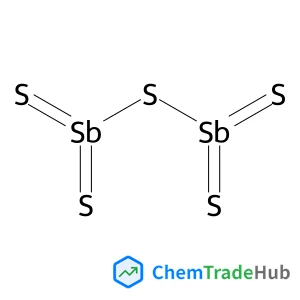
Antimony sulfide (Sb2S5)(CAS: 1315-04-4)
CAS Number
Related Products
![2-Methyl-2-propanyl [(2R)-1-hydroxy-2-propanyl]carbamate](https://static.chemtradehub.com/structs/106/106391-86-0-8397.webp)
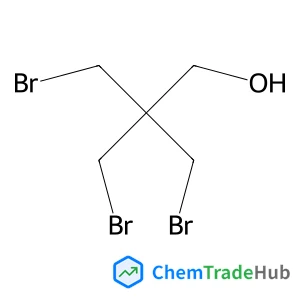
3-Bromo-2,2-bis(bromomethyl)-1-propanol
CAS Number: 1522-92-5
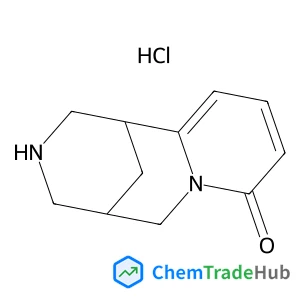
Cytisine hydrochloride
CAS Number: 6047-01-4
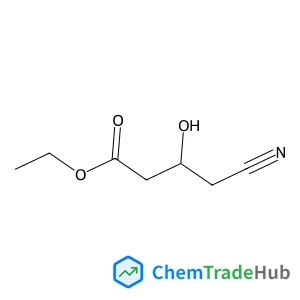
Atorvastatin Impurity 55
CAS Number: 141942-85-0
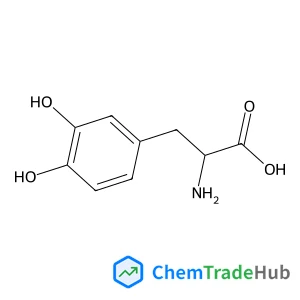
3-Hydroxy-D-tyrosine
CAS Number: 5796-17-8
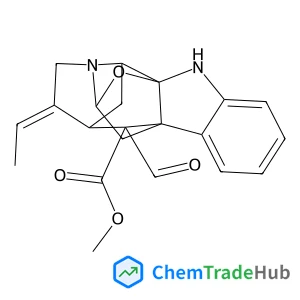
Picralinal
CAS Number: 20045-06-1
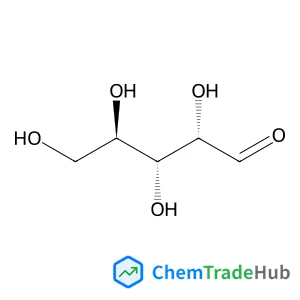
D-Arabinose
CAS Number: 9032-75-1
![(3aS,9R,9aS,9bS)-9-Hydroxy-6,9-dimethyl-3-methylene-3a,4,5,7,8,9,9a,9b-octahydroazuleno[4,5-b]furan-2(3H)-one](https://static.chemtradehub.com/structs/683/68370-47-8-daf4.webp)
Other Suppliers for Antimony sulfide (Sb2S5)




Basic Information
Molecular Formula
Sb2S5
Molecular Weight
403.9 g/mol
Physical Properties
Melting Point
74-76°C (dec.)
Chemical Identifiers
SMILES
S=[Sb](=S)S[Sb](=S)=S
InChIKey
PPKVREKQVQREQD-UHFFFAOYSA-N
Database References
MDL Number
MFCD00016321
FAQ
Antimony sulfide (CAS: 1315-04-4) is regulated under the Globally Harmonized System of Classification and Labelling of Chemicals (GHS), which includes classification for health hazards. Additionally, it falls under the European Chemicals Agency (ECHA) REACH regulations. For use in the United States, it is subject to the Occupational Safety and Health Administration (OSHA) and the Environmental Protection Agency (EPA) guidelines. Ensure compliance with local and national regulations regarding storage, handling, and disposal.
Yes, alternatives to Antimony sulfide (CAS: 1315-04-4) include other antimony compounds such as antimony trisulfide (Sb2S3) and antimony oxide (Sb2O3). These can serve as substitutes in various applications depending on the specific requirements. Isomers and analogs may also be considered based on the desired properties.
The market for Antimony sulfide (CAS: 1315-04-4) is growing due to its applications in photovoltaics, where it is used in solar cells. Research trends focus on improving its efficiency and stability in these applications. Additionally, there is increasing interest in using it as a phosphor in lighting and displays. Market trends also highlight the need for sustainable and environmentally friendly synthesis methods.
Waste containing Antimony sulfide (CAS: 1315-04-4) should be collected in appropriate containers and disposed of according to local regulations. Incineration is a common method, but ensure it is performed in a controlled and compliant manner. Professional waste disposal services may be necessary to ensure safe and environmentally friendly disposal, especially for large quantities or hazardous waste. Follow all safety precautions to prevent environmental contamination.
Safety Notice
Please verify product specifications and safety data before use. Contact the supplier for detailed safety information.
Always follow proper handling procedures
Contact Information
2423903095@qq.com