



AD
2-Methylpentanoic acid(CAS: 97-61-0)
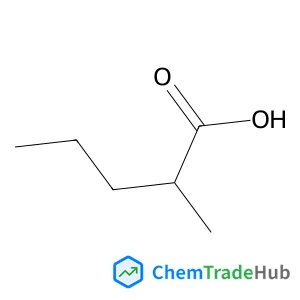
CAS Number
Related Products
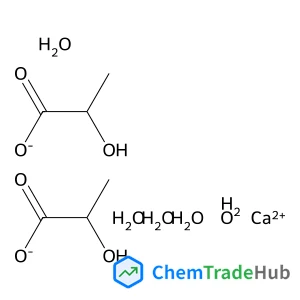
Calcium Lactate Pentahydrate
CAS Number: 5743-47-5
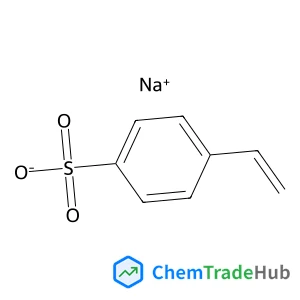
Sodium 4-vinylbenzenesulfonate
CAS Number: 2695-37-6
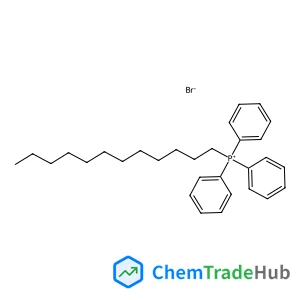
Dodecyl(triphenyl)phosphonium bromide
CAS Number: 15510-55-1
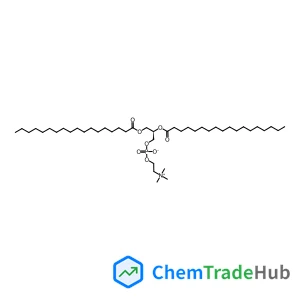
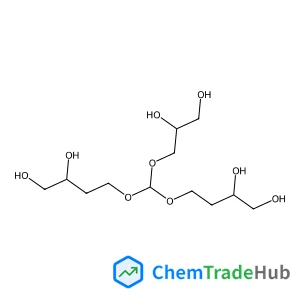
Poly(Propylene Glycol)
CAS Number: 25791-96-2
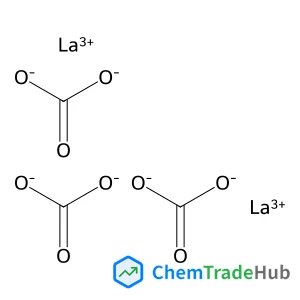
LANTHANUM CARBONATE
CAS Number: 587-26-8
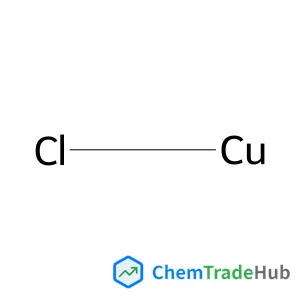
Copper(1+) chloride
CAS Number: 1344-67-8
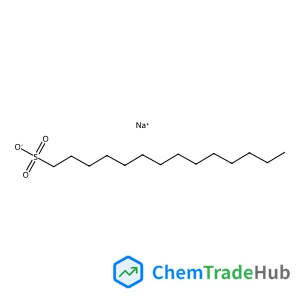
Sodium 1-tetradecanesulfonate
CAS Number: 6994-45-2
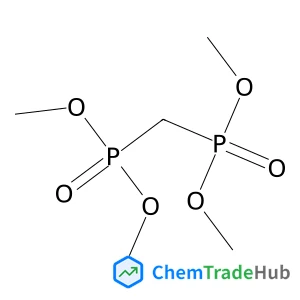
Tetramethyl methylenebis(phosphonate)
CAS Number: 16001-93-7
Other Suppliers for 2-Methylpentanoic acid





Basic Information
Molecular Formula
C6H12O2
Molecular Weight
116.16 g/mol
Physical Properties
Melting Point
-85°C
Boiling Point
195°C
Density
0.931 g/mL at 25 °C(lit.)
Water Solubility
Soluble in water(13g/L).
Chemical Identifiers
SMILES
CCCC(C)C(=O)O
InChIKey
OVBFMEVBMNZIBR-UHFFFAOYSA-N
Database References
MDL Number
MFCD00002671
Beilstein Registry Number
1720655
FAQ
2-Methylpentanoic acid (CAS: 97-61-0) is a colorless liquid with a pungent odor. It has a molecular weight of approximately 112.14 g/mol and a melting point of -41.5°C. The compound is moderately soluble in water and organic solvents. It is reactive, especially towards bases and carboxylic acid derivatives, making it useful in organic synthesis.
2-Methylpentanoic acid (CAS: 97-61-0) is commonly synthesized via the reduction of 2-methylpentanoic anhydride or 2-methylpentanoyl chloride using a reducing agent like sodium borohydride. The reaction is exothermic and requires careful control of temperature and concentration to achieve high yield and selectivity.
2-Methylpentanoic acid (CAS: 97-61-0) is utilized in various industries, including pharmaceuticals for the synthesis of certain drugs, polymers for functional materials, sensors for detecting organic compounds, and as a precursor in the fabrication of semiconductors for electronic devices.
When handling 2-Methylpentanoic acid (CAS: 97-61-0), it is essential to use personal protective equipment (PPE) such as gloves, goggles, and a lab coat. The substance should be used in a well-ventilated area or a fume hood to prevent inhalation. Spills should be cleaned up using appropriate absorbents, and the area should be flushed with water. Always consult the safety data sheet (SDS) for detailed handling and disposal instructions.
Safety Notice
Please verify product specifications and safety data before use. Contact the supplier for detailed safety information.
Always follow proper handling procedures
Contact Information
Contact Person
Manager Shi
1373640151@qq.com