



AD
Ruthenium(3+) triacetate(CAS: 72196-32-8)
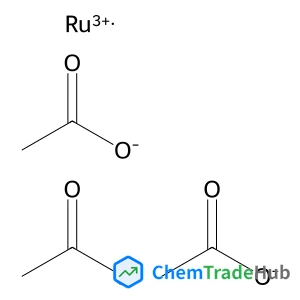
CAS Number
Related Products
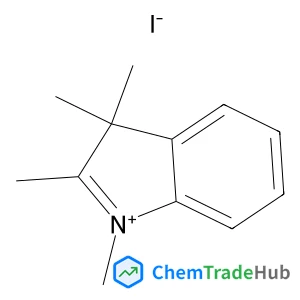
1,2,3,3-Tetramethyl-3H-indolium iodide
CAS Number: 5418-63-3
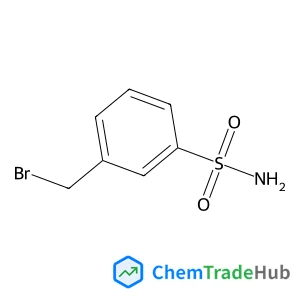
3-(Bromomethyl)benzenesulfonamide
CAS Number: 220798-52-7
![3,3'-(1,1,1,3,3,3-Hexafluoro-2,2-propanediyl)bis[6-(allyloxy)aniline]](https://static.chemtradehub.com/structs/257/2573217-07-7-f3dd.webp)
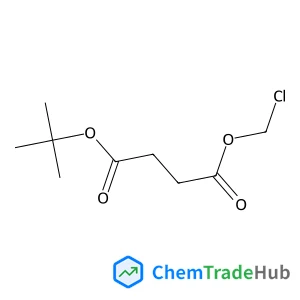
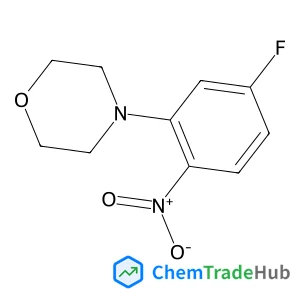
4-(5-Fluoro-2-nitrophenyl)morpholine
CAS Number: 536977-34-1
Other Suppliers for Ruthenium(3+) triacetate







Basic Information
Molecular Formula
C6H9O6Ru
Molecular Weight
278.2 g/mol
Chemical Identifiers
SMILES
CC(=O)[O-].CC(=O)[O-].CC(=O)[O-].[Ru+3]
InChIKey
OJLCQGGSMYKWEK-UHFFFAOYSA-K
Database References
MDL Number
MFCD00191190
FAQ
Ruthenium(3+) triacetate (CAS: 72196-32-8) is subject to various regulatory guidelines. It falls under the EU REACH regulations for chemicals, with specific requirements for registration and notification. It is also classified under the Globally Harmonized System of Classification and Labeling of Chemicals (GHS) as a hazardous substance. The FDA and EPA may have additional requirements for its use and disposal in the United States, including specific handling and storage guidelines to ensure safety and compliance with environmental protection laws.
While Ruthenium(3+) triacetate (CAS: 72196-32-8) is a useful catalyst in certain synthetic reactions, there are alternatives such as other ruthenium complexes, e.g., ruthenium(II) acetate, or platinum-based catalysts. These alternatives may offer different reactivity profiles and are often chosen based on the specific requirements of the synthesis, such as temperature, pressure, and reaction time.
The market for Ruthenium(3+) triacetate (CAS: 72196-32-8) is driven by its applications in catalytic processes, particularly in organic synthesis. Research trends are focusing on developing more efficient and selective catalysts, as well as exploring its use in emerging fields such as nanotechnology and energy conversion. The increasing demand in academic and industrial research is expected to continue, driven by its unique catalytic properties and potential in sustainable chemistry.
Waste containing Ruthenium(3+) triacetate (CAS: 72196-32-8) should be handled according to the hazardous waste regulations. Proper collection and storage of the waste should be ensured, and it should be disposed of through professional waste disposal services. Incineration or specialized waste treatment facilities are recommended to ensure the safe disposal of the waste, minimizing environmental impact and adhering to regulatory requirements. Careful handling and protective measures should be taken during the process to prevent accidental release or contamination.
Safety Notice
Please verify product specifications and safety data before use. Contact the supplier for detailed safety information.
Always follow proper handling procedures
Contact Information
Contact Person
Zhang Manager
angela@labgogo.com