



AD
4-Butylaniline(CAS: 104-13-2)
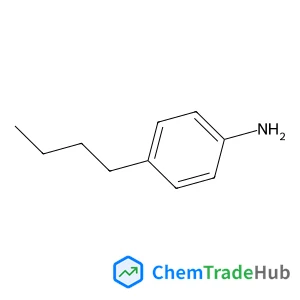
CAS Number
Related Products
![4-[(3-Pyridinylcarbonyl)amino]butanoic acid](https://static.chemtradehub.com/structs/345/34562-97-5-ecc0.webp)
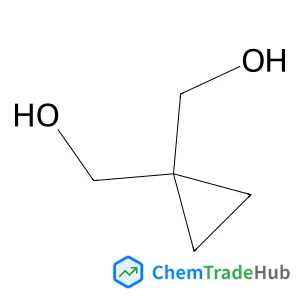
1,1-Cyclopropanediyldimethanol
CAS Number: 39590-81-3
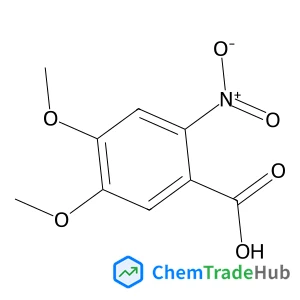
4,5-Dimethoxy-2-nitrobenzoic acid
CAS Number: 4998-07-6
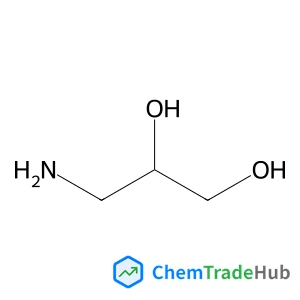
3-Amino-1,2-propanediol
CAS Number: 616-30-8
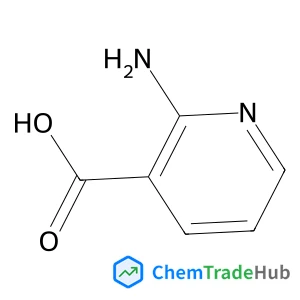
2-aminopyridine-3-carboxylic acid
CAS Number: 5345-47-1
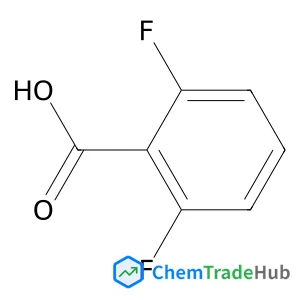
2,6-Difluorobenzoic acid
CAS Number: 385-00-2
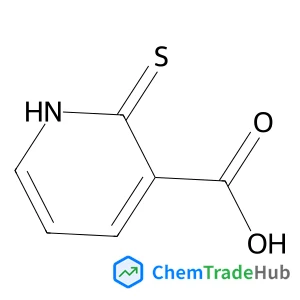
2-Sulfanylnicotinic acid
CAS Number: 38521-46-9
![(6S)-6-{Propyl[2-(2-thienyl)ethyl]amino}-5,6,7,8-tetrahydro-1-naphthalenol hydrochloride (1:1)](https://static.chemtradehub.com/structs/125/125572-93-2-8244.webp)
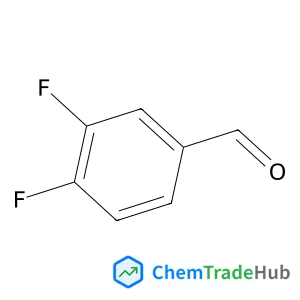
3,4-Difluorobenzaldehyde
CAS Number: 34036-07-2
Other Suppliers for 4-Butylaniline





Basic Information
Molecular Formula
C10H15N
Molecular Weight
149.24 g/mol
Physical Properties
Melting Point
-14 ºC
Boiling Point
250°C(lit.)
Chemical Identifiers
SMILES
CCCCC1=CC=C(C=C1)N
InChIKey
OGIQUQKNJJTLSZ-UHFFFAOYSA-N
Database References
MDL Number
MFCD00007925
Beilstein Registry Number
1447268
FAQ
4-Butylaniline (CAS: 104-13-2) is classified as a hazardous chemical under GHS (Globally Harmonized System of Classification and Labelling of Chemicals) due to its corrosive and toxic properties. It is subject to REACH (Registration, Evaluation, Authorization, and Restriction of Chemicals) regulations in the EU, requiring companies to provide safety data sheets (SDS) and ensure proper labeling. FDA and EPA regulations in the U.S. may also apply for its use in pharmaceuticals and pesticides, respectively, requiring appropriate handling and disposal methods.
Yes, there are alternatives to 4-Butylaniline (CAS: 104-13-2) in synthesis, such as 4-Tert-Butylaniline and 4-Methylaniline. These compounds can serve similar functional groups and reaction profiles in various chemical processes. Researchers often choose these alternatives based on cost, availability, and specific chemical properties required for their synthesis.
The market for 4-Butylaniline (CAS: 104-13-2) is relatively stable, primarily driven by its use in the production of dyes, drugs, and pesticides. Research trends focus on developing safer and more efficient synthesis methods and exploring its applications in new areas such as polymer chemistry and advanced materials. However, its use is increasingly regulated due to environmental and health concerns, leading to a push for greener alternatives.
Waste containing 4-Butylaniline (CAS: 104-13-2) should be collected in appropriate containers, labeled with the correct hazard symbols, and stored in a secure location. Incineration is a common method for disposal, but professional chemical waste disposal services are recommended to ensure compliance with local and international regulations. Environmental protection measures, such as containment and preventive measures to avoid spillage, should be strictly followed to minimize environmental impact.
Safety Notice
Please verify product specifications and safety data before use. Contact the supplier for detailed safety information.
Always follow proper handling procedures
Contact Information
2462624587@qq.com