



AD
D-Threose(CAS: 95-43-2)
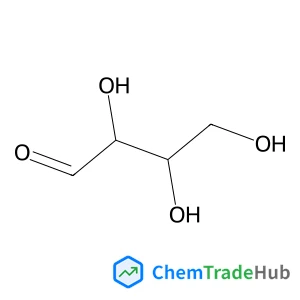
CAS Number
Related Products
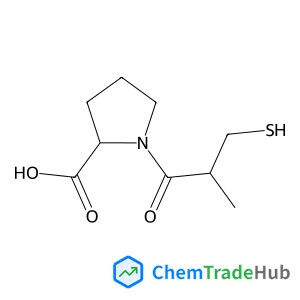
Captopril
CAS Number: 62571-86-2
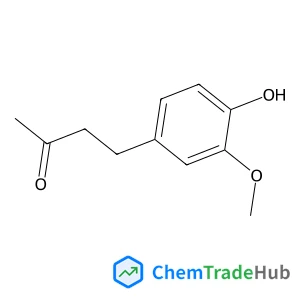
4-(4-Hydroxy-3-methoxyphenyl)-2-butanone
CAS Number: 122-48-5
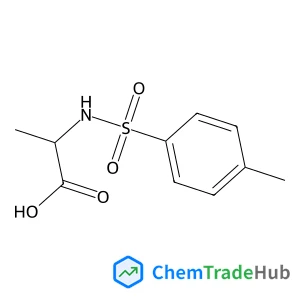
N-Tosyl-L-alanine
CAS Number: 21957-58-4
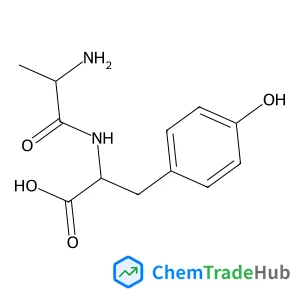
Alanyl-L-tyrosine
CAS Number: 3061-88-9
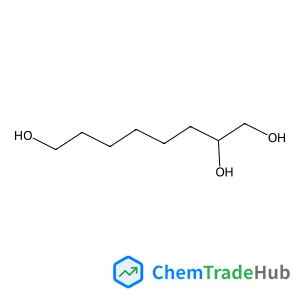
Octane-1,2,8-triol
CAS Number: 382631-43-8
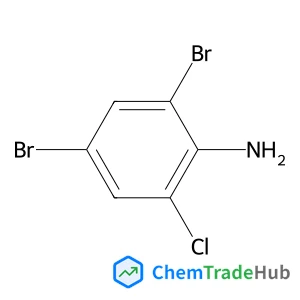
2,4-Dibromo-6-chloroaniline
CAS Number: 874-18-0
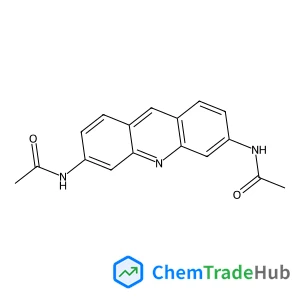
N,N'-3,6-Acridinediyldiacetamide
CAS Number: 15724-70-6
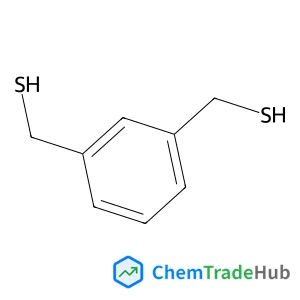
1,3-Phenylenedimethanethiol
CAS Number: 41563-69-3
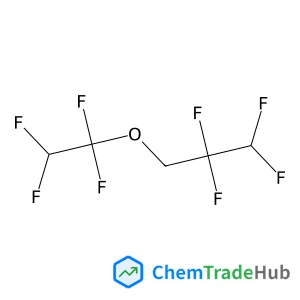
Other Suppliers for D-Threose










Basic Information
Molecular Formula
C4H8O4
Molecular Weight
120.1 g/mol
Physical Properties
Melting Point
130 ºC
Boiling Point
144.07°C (rough estimate)
Density
1.0500 (rough estimate)
Flash Point
156.2°C
Chemical Identifiers
SMILES
C(C(C(C=O)O)O)O
InChIKey
YTBSYETUWUMLBZ-QWWZWVQMSA-N
Database References
MDL Number
MFCD00043042
FAQ
D-Threose (CAS: 95-43-2) is subject to the Globally Harmonized System of Classification and Labeling of Chemicals (GHS), REACH regulations in the European Union, and FDA and EPA requirements for handling and transportation in the United States. It is classified as not hazardous under GHS, but proper storage and disposal protocols must be followed to ensure safety and compliance.
D-Threose (CAS: 95-43-2) can be synthesized from fructose or erythrose using various enzymatic or chemical methods. Other sugars like D-Xylose or D-Glucose can serve as alternatives depending on the specific synthetic route and desired product properties. Using isomers or analogs can offer different functional groups or reactivity patterns, making them suitable for various applications.
The market for D-Threose (CAS: 95-43-2) is growing due to its applications in pharmaceuticals, food additives, and biochemistry research. Recent trends show increasing interest in its use as a natural sweetener and in the development of polyols. Research is also focused on its potential in biodegradable plastics and as a precursor in organic synthesis.
Waste containing D-Threose (CAS: 95-43-2) should be collected in appropriate containers and disposed of through professional waste disposal services. If the waste is contaminated or in high quantities, it may require incineration or chemical treatment to neutralize any potential hazards. Proper environmental protection measures and waste management protocols should be followed to prevent contamination of soil and water.
Safety Notice
Please verify product specifications and safety data before use. Contact the supplier for detailed safety information.
Always follow proper handling procedures
Contact Information
Contact Person
Zhang Zeyuan
Sales-CN@TCIchemicals.com