



AD
Boric acid(CAS: 11113-50-1)

CAS Number
Related Products
![Benzenemethanaminium, N,N-dimethyl-N-octadecyl-, hydroxide tricyclo[5.1.1.1~3,5~]tetrasiloxane-1,3,5,7-tetrolate, lithium magnesium sodium salt (1:2:1:1:1:1)](https://static.chemtradehub.com/structs/126/12691-60-0-264d.webp)
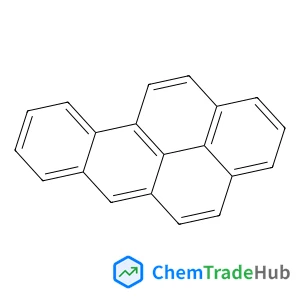
Benzopyrene
CAS Number: 50-32-8
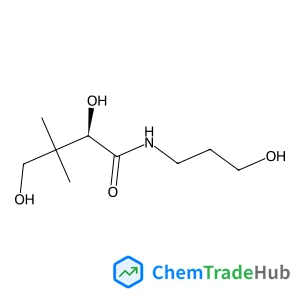
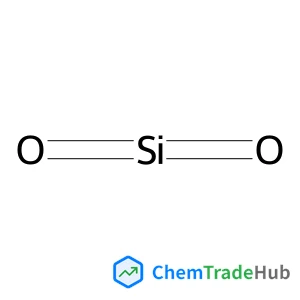
Silica gel, pptd.,cryst.-free
CAS Number: 112926-00-8
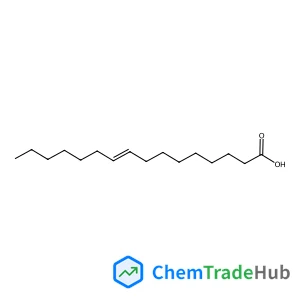
(9Z)-9-Hexadecenoic acid
CAS Number: 373-49-9
![2,2'-[(4-Methylphenyl)imino]diethanol](https://static.chemtradehub.com/structs/307/3077-12-1-1a59.webp)
2,2'-[(4-Methylphenyl)imino]diethanol
CAS Number: 3077-12-1
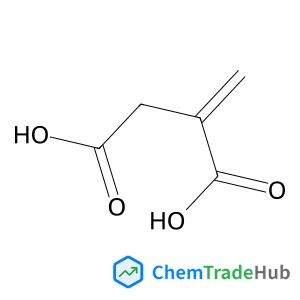
2-Methylenesuccinic acid
CAS Number: 97-65-4
Other Suppliers for Boric acid

Basic Information
Molecular Formula
H3BO3
Molecular Weight
61.83 g/mol
Chemical Identifiers
SMILES
B(O)(O)O
InChIKey
KGBXLFKZBHKPEV-UHFFFAOYSA-N
Database References
FAQ
Boric acid (CAS: 11113-50-1) falls under the scope of the Globally Harmonized System of Classification and Labelling of Chemicals (GHS) as a skin irritant and eye irritant. It is categorized under REACH regulations in the European Union, requiring companies to notify authorities about its manufacture, import, and use. In the USA, it is regulated by the EPA for environmental protection and by the FDA for food and drug applications. Proper labeling, storage, and handling practices are essential to comply with these regulations.
While boric acid (CAS: 11113-50-1) is widely used in synthesis, there are alternatives such as tribasic borate, borax, and various organoboranes. These can be used depending on the specific application and desired properties. It's important to evaluate the reactivity, solubility, and cost of these alternatives to determine the best fit for your synthesis process.
The demand for boric acid (CAS: 11113-50-1) is driven by its use in fire retardants, glass manufacturing, and pharmaceuticals. Recent research trends include its application in nanotechnology and as a potential antimicrobial agent. Market trends show stable demand with fluctuating prices influenced by supply chain issues and environmental concerns. However, emerging research fields are expanding its potential applications, driving market interest.
Waste containing boric acid (CAS: 11113-50-1) should be collected in appropriate containers, ensuring that the waste is not exposed to moisture or heat, as this can lead to reactions. For small quantities, it can be disposed of as a non-hazardous solid waste. For larger quantities, professional waste disposal services should be used. Environmental protection measures include proper labeling and minimizing the release of boric acid into the environment to prevent soil and water contamination.
Safety Notice
Please verify product specifications and safety data before use. Contact the supplier for detailed safety information.
Always follow proper handling procedures
Contact Information
Contact Person
Manager Wang
1845681598@qq.com