



AD
4-Bromo-7-fluoro-1-indanone(CAS: 1003048-72-3)
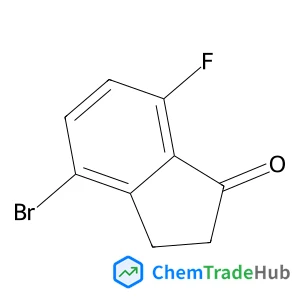
CAS Number
Related Products
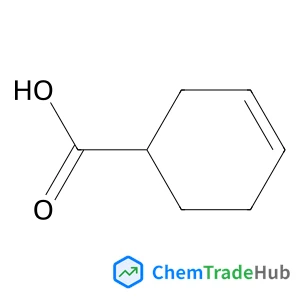
(1S)-3-Cyclohexene-1-carboxylic acid
CAS Number: 5708-19-0
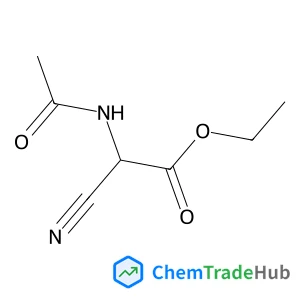
Ethyl Acetamidocyanoacetate
CAS Number: 4977-62-2
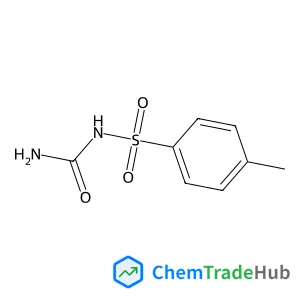
N-Carbamoyl-4-methylbenzenesulfonamide
CAS Number: 1694-06-0
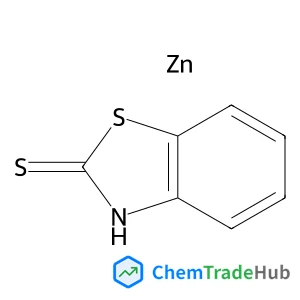
Zinc bis(1,3-benzothiazole-2-thiolate)
CAS Number: 155-04-4
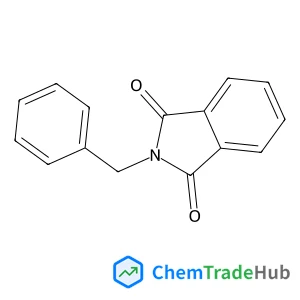
2-Benzyl-1H-isoindole-1,3(2H)-dione
CAS Number: 2142-01-0
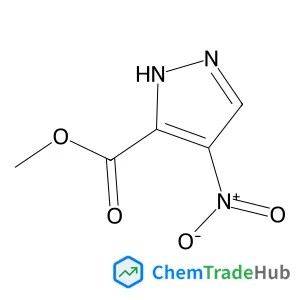
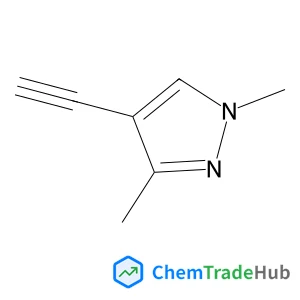
4-Ethynyl-1,3-dimethyl-1H-pyrazole
CAS Number: 61514-53-2
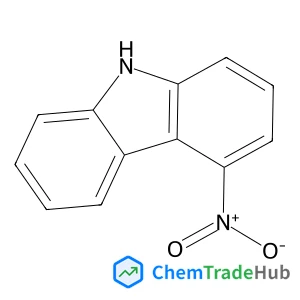
1-Nitro-9H-carbazole
CAS Number: 57905-76-7
Other Suppliers for 4-Bromo-7-fluoro-1-indanone




Basic Information
Molecular Formula
C9H6BrFO
Molecular Weight
229.05 g/mol
Chemical Identifiers
SMILES
C1CC(=O)C2=C(C=CC(=C21)Br)F
InChIKey
HNXHWYGTXAJDEC-UHFFFAOYSA-N
Database References
MDL Number
MFCD17677340
FAQ
4-Bromo-7-fluoro-1-indanone (CAS: 1003048-72-3) is a crystalline compound with a molecular weight of approximately 265.04 g/mol. It has a low solubility in water but is more soluble in organic solvents such as dichloromethane and acetone. Chemically, it shows limited reactivity, primarily undergoing nucleophilic substitution reactions due to the presence of the bromo and fluoro substituents.
4-Bromo-7-fluoro-1-indanone can be synthesized via a multi-step protocol. A common approach involves the bromination of 7-fluoro-1-indanone followed by selective ring substitution. This process typically employs N-bromosuccinimide (NBS) as the brominating agent and an organic solvent like dichloromethane. The yield and selectivity can be enhanced with appropriate catalytic systems and reaction conditions.
4-Bromo-7-fluoro-1-indanone (CAS: 1003048-72-3) is primarily used in the pharmaceutical industry for the preparation of bioactive compounds and in polymer synthesis for developing advanced materials. It also finds applications in sensor technology for its unique spectroscopic properties and in semiconductor industries due to its electronic structure.
When handling 4-Bromo-7-fluoro-1-indanone (CAS: 1003048-72-3), it is crucial to wear appropriate personal protective equipment (PPE) including gloves, safety goggles, and a lab coat. Work should be conducted in a well-ventilated area or a fume hood to minimize exposure. Spills should be managed carefully, and appropriate safety data sheets (SDS) should be referenced for specific instructions. Ensure proper disposal and storage to prevent environmental contamination.
Safety Notice
Please verify product specifications and safety data before use. Contact the supplier for detailed safety information.
Always follow proper handling procedures
Contact Information
jacschem@163.com