



AD
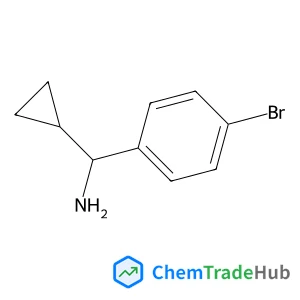
(4-Bromophenyl)(cyclopropyl)methanamine(CAS: 90868-92-1)
CAS Number
Related Products
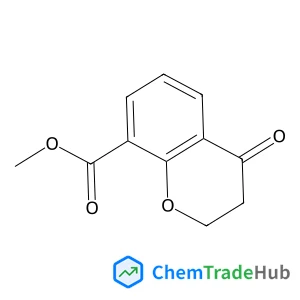
Methyl 4-oxochroman-8-carboxylate
CAS Number: 91344-89-7
![N-{[(2-Methyl-2-propanyl)oxy]carbonyl}-4-(trifluoromethyl)-D-phenylalanine](https://static.chemtradehub.com/structs/823/82317-83-7-56fb.webp)
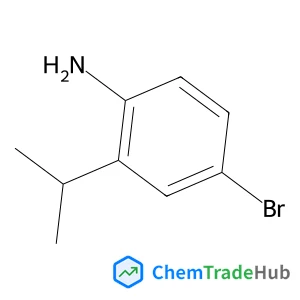
4-Bromo-2-isopropylaniline
CAS Number: 81090-34-8
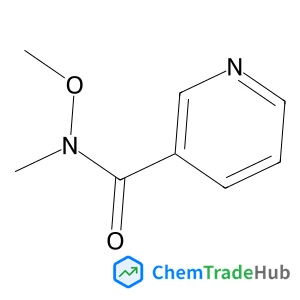
N-Methoxy-N-methylnicotinamide
CAS Number: 95091-91-1
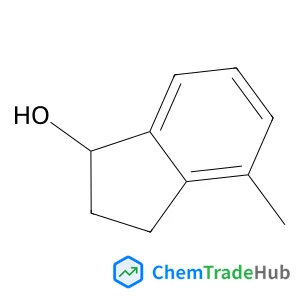
4-Methyl-1-indanol
CAS Number: 67864-03-3
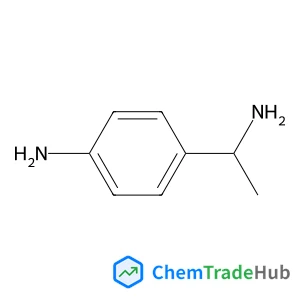
4-(1-Aminoethyl)aniline
CAS Number: 90434-58-5
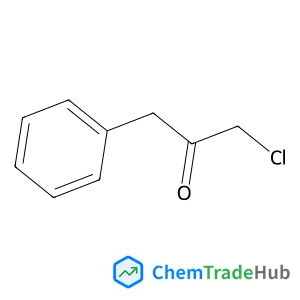
1-Chloro-3-phenylacetone
CAS Number: 937-38-2
![1-[4-(2-Methyl-2-propanyl)phenyl]acetone](https://static.chemtradehub.com/structs/815/81561-77-5-e7b1.webp)
![(3R)-3-Amino-3-[3-(trifluoromethyl)phenyl]propanoic acid](https://static.chemtradehub.com/structs/793/793663-51-1-da69.webp)
Other Suppliers for (4-Bromophenyl)(cyclopropyl)methanamine







Basic Information
Molecular Formula
C10H12BrN
Molecular Weight
226.12 g/mol
Chemical Identifiers
SMILES
C1CC1C(C2=CC=C(C=C2)Br)N
InChIKey
CFTNYXDVHSKCKL-UHFFFAOYSA-N
Database References
MDL Number
MFCD05192037
FAQ
The regulatory guidelines for (4-Bromophenyl)(cyclopropyl)methanamine (CAS: 90868-92-1) include GHS classification, which categorizes it as a hazardous substance due to its potential to cause skin and eye irritation. REACH regulations also apply, requiring manufacturers and importers to register substances with the European Chemicals Agency if they exceed certain tonnage thresholds. FDA and EPA have guidelines for its use in research and industrial applications, focusing on safety and environmental protection.
Alternatives to (4-Bromophenyl)(cyclopropyl)methanamine in synthesis include other amines with similar functional groups, such as 2-bromophenylethylamine or 4-chlorophenylethylamine. These can be used as substitutes in certain reactions, depending on the desired product and reaction conditions. It's important to evaluate the reactivity and compatibility of each alternative.
The market trend for (4-Bromophenyl)(cyclopropyl)methanamine (CAS: 90868-92-1) is closely linked to its applications in drug discovery and pharmaceutical research. Recent research trends focus on its potential as a scaffold for developing new drugs, particularly in areas like anti-inflammatory and anti-cancer therapies. The compound's unique chemical structure makes it a valuable tool in synthetic chemistry and medicinal chemistry.
Waste containing (4-Bromophenyl)(cyclopropyl)methanamine (CAS: 90868-92-1) should be managed according to hazardous waste regulations. Collect waste liquids in appropriate containers and ensure proper sealing to prevent spillage. For disposal, it is best to use professional waste disposal services that can handle hazardous chemicals. Environmental protection measures include minimizing the release of the compound into the environment and ensuring that all waste is treated before disposal to avoid contamination.
Safety Notice
Please verify product specifications and safety data before use. Contact the supplier for detailed safety information.
Always follow proper handling procedures
Contact Information
sales@labter.com.cn