



AD
Phenyl(2,3,4-trihydroxyphenyl)methanone(CAS: 1143-72-2)
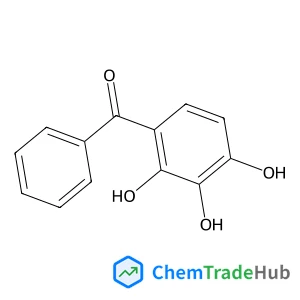
CAS Number
Related Products
![2-Chloro-10-[3-(4-methyl-1-piperazinyl)propyl]-10H-phenothiazine](https://static.chemtradehub.com/structs/58-/58-38-8-9a44.webp)
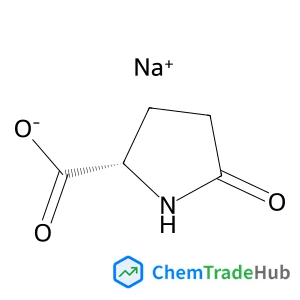
![(2S)-2-Amino-4-[(2-methyl-2-propanyl)oxy]-4-oxobutanoic acid](https://static.chemtradehub.com/structs/305/3057-74-7-60dc.webp)
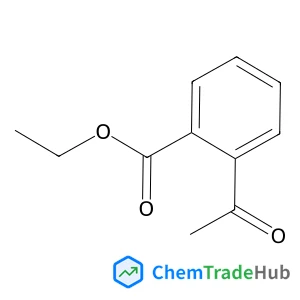
Ethyl 2-acetylbenzoate
CAS Number: 103935-10-0
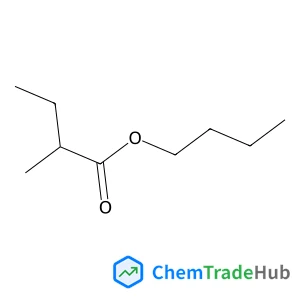
Butanoic acid, 2-methyl-, butyl ester
CAS Number: 15706-73-7
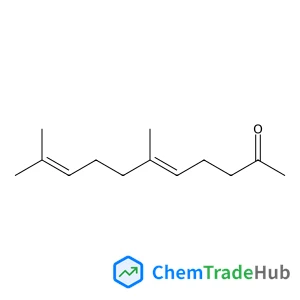
6,10-Dimethyl-5,9-undecadien-2-one
CAS Number: 689-67-8
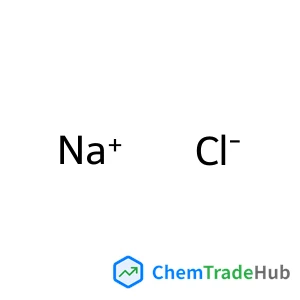
Sodium chloride
CAS Number: 7647-14-5
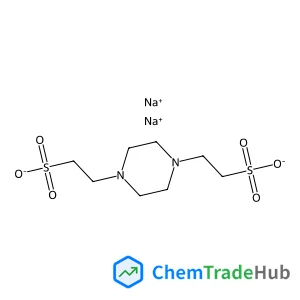
Other Suppliers for Phenyl(2,3,4-trihydroxyphenyl)methanone



Basic Information
Molecular Formula
C13H10O4
Molecular Weight
230.22 g/mol
Physical Properties
Melting Point
139.0 to 143.0 deg-C
Boiling Point
439.7 °C at 760 mmHg
Density
1.413
Flash Point
233.9 °C
Chemical Identifiers
SMILES
C1=CC=C(C=C1)C(=O)C2=C(C(=C(C=C2)O)O)O
InChIKey
HTQNYBBTZSBWKL-UHFFFAOYSA-N
Database References
MDL Number
MFCD00009996
Beilstein Registry Number
2697065
FAQ
Phenyl(2,3,4-trihydroxyphenyl)methanone (CAS: 1143-72-2) is regulated under various guidelines such as the Globally Harmonized System (GHS), REACH regulations in the European Union, and FDA and EPA requirements in the United States. It must comply with specific safety data sheets (SDS) and handling guidelines to ensure worker safety and environmental protection.
Alternatives to Phenyl(2,3,4-trihydroxyphenyl)methanone in synthesis include other phenolic compounds and derivatives. Isomers such as 2,3,4-trihydroxybenzaldehyde or similar ketones may be used as substitutes, depending on the reaction requirements and desired end product.
The market for Phenyl(2,3,4-trihydroxyphenyl)methanone is driven by its applications in pharmaceuticals, cosmetics, and research. Recent trends indicate a focus on sustainable synthesis methods and the exploration of its potential in photodynamic therapy and topical medications. Research is also being conducted to understand its biological activities and improve its production efficiency.
Waste containing Phenyl(2,3,4-trihydroxyphenyl)methanone should be collected in designated containers and disposed of through professional waste disposal services. Incineration may be used if necessary, but it must be conducted under controlled conditions to minimize environmental impact. Proper environmental protection measures, such as neutralization of acidic or basic waste, should be taken to ensure compliance with local regulations and reduce potential hazards.
Safety Notice
Please verify product specifications and safety data before use. Contact the supplier for detailed safety information.
Always follow proper handling procedures
Contact Information
Contact Person
Hu Gebing
2369399482@qq.com