



AD
2,4,6-Trimethoxyaniline(CAS: 14227-17-9)
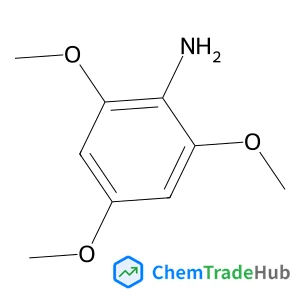
CAS Number
Related Products
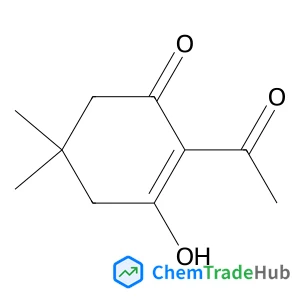
![2-Naphthalenecarboxylic acid,3-hydroxy-4-[(2-hydroxy-4-sulfo-1-naphthalenyl)azo]-](https://static.chemtradehub.com/structs/373/3737-95-9-4fcb.webp)
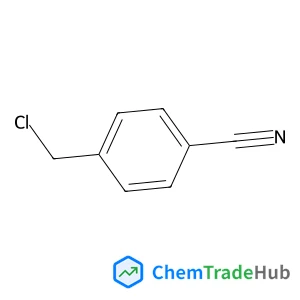
4-(Chloromethyl)benzonitrile
CAS Number: 874-86-2
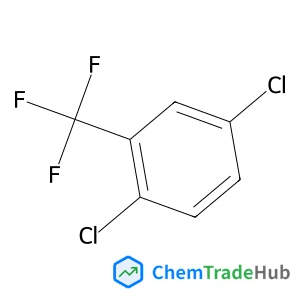
1,4-Dichloro-2-(trifluoromethyl)benzene
CAS Number: 320-50-3
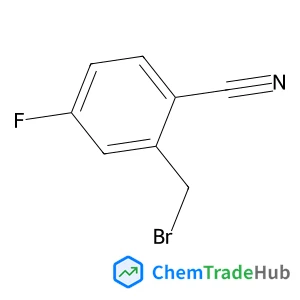
Alogliptin Impurity 60
CAS Number: 421552-12-7
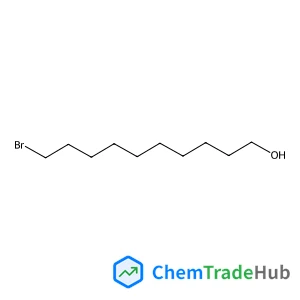
10-bromodecan-1-ol
CAS Number: 53463-68-6
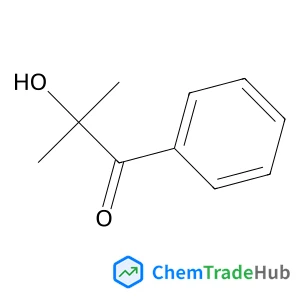
2-Hydroxy-2-benzoylpropane
CAS Number: 7473-98-5
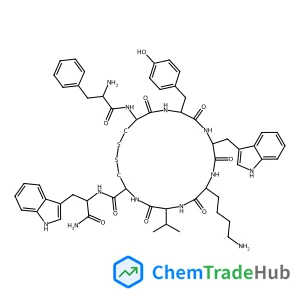
Vapreotide
CAS Number: 103222-11-3
Other Suppliers for 2,4,6-Trimethoxyaniline



Basic Information
Molecular Formula
C9H13NO3
Molecular Weight
183.21 g/mol
Physical Properties
Boiling Point
306.9℃ at 760 mmHg
Chemical Identifiers
SMILES
COC1=CC(=C(C(=C1)OC)N)OC
InChIKey
FNSAKXLEFPFZOM-UHFFFAOYSA-N
Database References
MDL Number
MFCD00017165
FAQ
2,4,6-Trimethoxyaniline (CAS: 14227-17-9) is subject to various regulatory guidelines, including the Globally Harmonized System of Classification and Labeling of Chemicals (GHS), REACH regulations in the EU, and FDA/EPA requirements for chemical products. GHS classifies 2,4,6-Trimethoxyaniline as a flammable liquid and requires specific labeling for health, environmental, and physical hazards. REACH regulations mandate detailed safety data sheets (SDS) and restrict the use of certain hazardous substances. FDA and EPA regulate its use and disposal in the production and sale of pharmaceuticals and pesticides.
Yes, there are alternatives to 2,4,6-Trimethoxyaniline (CAS: 14227-17-9) in synthesis. Common alternatives include other substituted anilines, such as 2,6-dimethoxyaniline or 4-methoxyaniline. These alternatives offer similar properties but can be synthesized using different reagents and conditions, providing flexibility in chemical synthesis. Common substitute reagents include anhydrous methanol, formic acid, or other Lewis acids.
The market for 2,4,6-Trimethoxyaniline (CAS: 14227-17-9) is driven by its use as a precursor in the manufacture of dyes, pharmaceuticals, and pesticides. Research trends are focused on developing more sustainable and environmentally friendly synthesis methods. Emerging trends include the use of catalytic processes and green solvents to reduce environmental impact. Market dynamics show steady demand with slight variations based on global economic factors and industry-specific needs.
Waste containing 2,4,6-Trimethoxyaniline (CAS: 14227-17-9) should be collected in appropriate containers and stored under airtight conditions to prevent contamination. Disposal should follow local regulations and guidelines, typically involving incineration or professional waste disposal services. Environmental protection precautions include minimizing spillage and ensuring proper labeling of waste containers. Handling should be done with protective gear and in accordance with safety data sheets (SDS) provided by the supplier.
Safety Notice
Please verify product specifications and safety data before use. Contact the supplier for detailed safety information.
Always follow proper handling procedures

Contact Information
1400818899@qq.com
Mobile
15107128801
Telephone
027-59223025
Fax
QQ联系更便捷。QQ:1400818899,微信同手机号
Visit Website
http://www.ss-bio.com