



AD
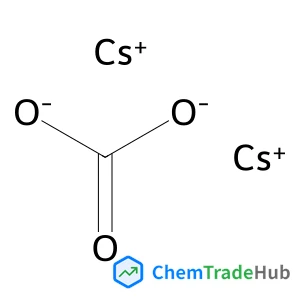
Dicaesium carbonate(CAS: 534-17-8)
CAS Number
Related Products
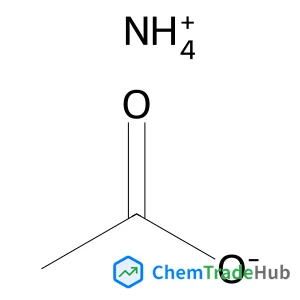
Acetic acid ammoniate (1:1)
CAS Number: 631-61-8
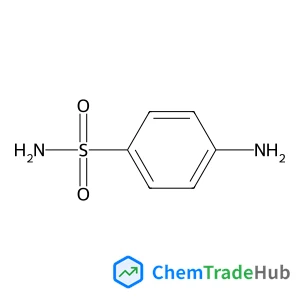
4-Aminobenzenesulfonamide
CAS Number: 63-74-1
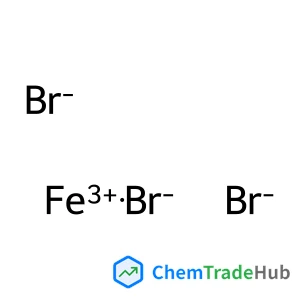
Iron(3+) tribromide
CAS Number: 10031-26-2
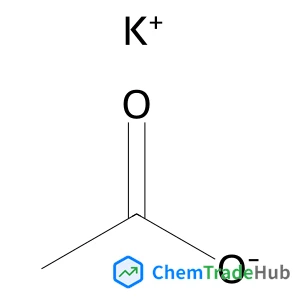
Potassium acetate
CAS Number: 127-08-2
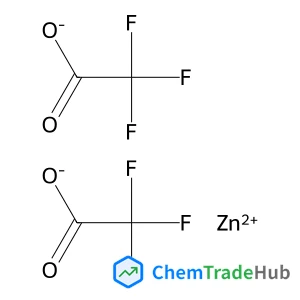
ZINC TRIFLUOROACETATE
CAS Number: 21907-47-1
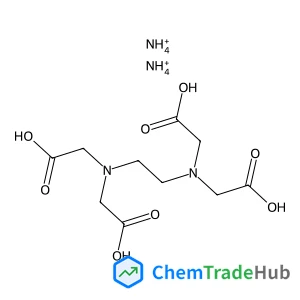
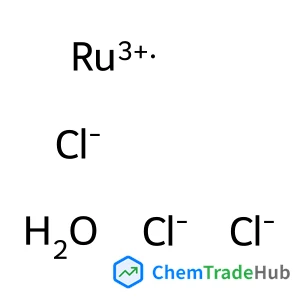
Ruodium (Ⅲ) Chloride Hydrate
CAS Number: 14898-67-0
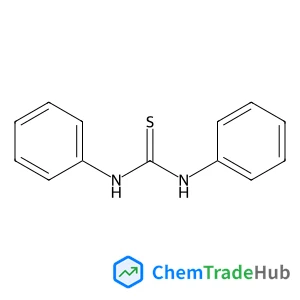
1,3-Diphenylthiourea
CAS Number: 102-08-9
Other Suppliers for Dicaesium carbonate


Basic Information
Molecular Formula
CCs2O3
Molecular Weight
325.82 g/mol
Physical Properties
Melting Point
610 °C (dec.) (lit.)
Flash Point
169.8℃
Water Solubility
261 g/100 mL (20 ºC)
Chemical Identifiers
SMILES
C(=O)([O-])[O-].[Cs+].[Cs+]
InChIKey
FJDQFPXHSGXQBY-UHFFFAOYSA-L
Database References
MDL Number
MFCD00010957
Beilstein Registry Number
4546405
FAQ
Dicaesium carbonate is a chemical compound with the formula Cs₂CO₃. It is a white, crystalline solid that is typically used in specialized chemical applications. This compound is highly soluble in water and has a strong basic character. It is an important reagent in organic and inorganic chemistry due to its unique properties and reactivity.
Dicaesium carbonate is primarily used in pharmaceutical research, as a source of cesium ions in analytical chemistry, and in the synthesis of various organic compounds. It also finds applications in nuclear science and materials research. Its use is limited due to its high cost and reactivity, but it plays a crucial role in specific chemical processes and experiments.
Dicaesium carbonate is considered hazardous due to its high reactivity and potential to cause irritation. It should be handled with appropriate personal protective equipment, such as gloves and goggles. Safety standards emphasize its use in controlled environments, and it is not recommended for general consumer use or in food-related applications.
Dicaesium carbonate should be stored in a cool, dry, and well-ventilated area, away from moisture and light. It is best kept in a sealed, airtight container made of a material that resists chemical reaction, such as glass or plastic. Storage conditions should maintain a temperature below 25°C and ensure low humidity to preserve stability and prevent degradation.
Safety Notice
Please verify product specifications and safety data before use. Contact the supplier for detailed safety information.
Always follow proper handling procedures
Contact Information
Contact Person
Mr. Xu
896916566@qq.com