



AD
Aciclovir (Acyclovir) EP Impurity B (Valaciclovir EP Impurity B)(CAS: 73-40-5)

CAS Number
Related Products



Ciprofloxacin Lactate
CAS Number: 97867-33-9

Erythromycin Thiocyanate
CAS Number: 7704-67-8

Hydroxyethyl cellulose
CAS Number: 9004-62-0
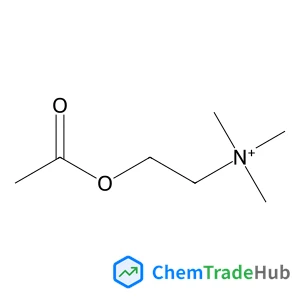
2-Acetoxy-N,N,N-trimethylethanaminium
CAS Number: 51-84-3

L-Ornithine
CAS Number: 70-26-8

D-Glucitol
CAS Number: 50-70-4

Other Suppliers for Aciclovir (Acyclovir) EP Impurity B (Valaciclovir EP Impurity B)




Basic Information
Molecular Formula
C5H5N5O
Molecular Weight
151.13 g/mol
Physical Properties
Melting Point
>300 °C (lit.)
Boiling Point
273.11°C (rough estimate)
Density
1.4456 (rough estimate)
Flash Point
311.4 °C
Chemical Identifiers
SMILES
Nc1nc2[nH]cnc2c(=O)[nH]1
InChIKey
UYTPUPDQBNUYGX-UHFFFAOYSA-N
Database References
MDL Number
MFCD00071533
Beilstein Registry Number
147911
FAQ
Aciclovir (Acyclovir) EP Impurity B, with the CAS number 73-40-5, is a chemical compound that serves as an impurity in the production of valaciclovir, an antiviral drug used to treat herpes infections. It is a white crystalline powder with a molecular formula of C8H12N2O3 and is known for its solubility in water and organic solvents. This compound is often analyzed during quality control processes to ensure the purity of the final pharmaceutical product.
Aciclovir (Acyclovir) EP Impurity B is primarily used in the pharmaceutical industry as an impurity marker during the production and quality control of valaciclovir. It helps in identifying and quantifying impurities that may arise during synthesis, ensuring the safety and efficacy of the final drug. Additionally, it is used in research for studying the purity and stability of antiviral compounds.
Aciclovir (Acyclovir) EP Impurity B is generally considered safe when handled in accordance with standard laboratory and industrial safety protocols. However, as an impurity, it may have unknown toxicological properties, so appropriate protective measures such as gloves and safety goggles should be used during handling. It is important to follow safety data sheet guidelines and ensure proper disposal to minimize any potential risks.
Aciclovir (Acyclovir) EP Impurity B should be stored in a cool, dry, and well-ventilated place, away from direct light. It is typically kept in a sealed container at a temperature range of 15–25°C. Maintaining low humidity levels is also crucial to prevent degradation. Proper storage ensures the stability and integrity of the compound during handling and analysis.
Safety Notice
Please verify product specifications and safety data before use. Contact the supplier for detailed safety information.
Always follow proper handling procedures
Contact Information
Contact Person
Miss Qin
13986076109@163.com