



AD
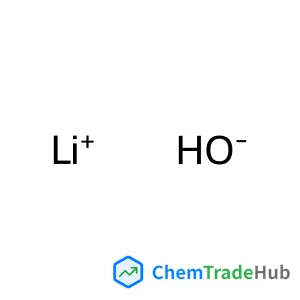
Lithium (~2~H)hydroxide(CAS: 12159-20-5)
CAS Number
Related Products
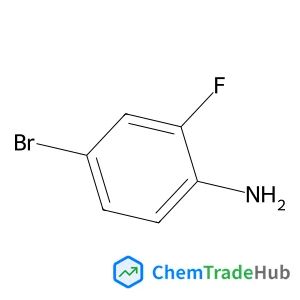
Abemaciclib Impurity 5
CAS Number: 367-24-8
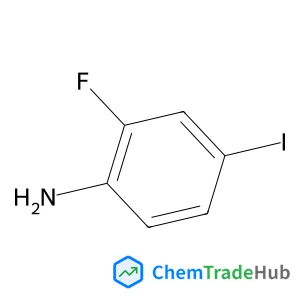
2-Fluoro-4-iodoaniline
CAS Number: 29632-74-4
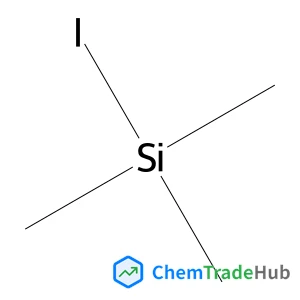
Iodo(trimethyl)silane
CAS Number: 16029-98-4
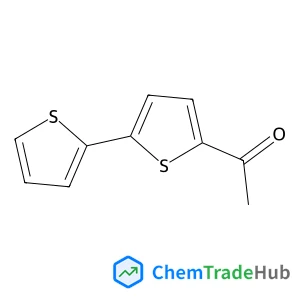
1-(2,2'-Bithiophen-5-yl)ethanone
CAS Number: 3515-18-2
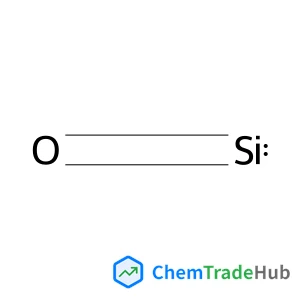
Silicon monoxide
CAS Number: 10097-28-6
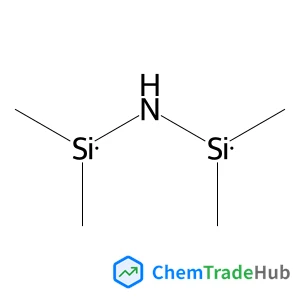
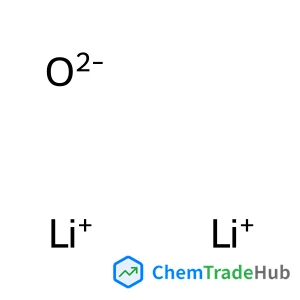
dilithium;oxygen(2-)
CAS Number: 12057-24-8
![4-Chloro-7H-pyrrolo[2,3-d]pyrimidine](https://static.chemtradehub.com/structs/368/3680-69-1-6535.webp)
4-Chloro-7H-pyrrolo[2,3-d]pyrimidine
CAS Number: 3680-69-1
Other Suppliers for Lithium (~2~H)hydroxide








Basic Information
Molecular Formula
DLiO
Molecular Weight
25 g/mol
Chemical Identifiers
SMILES
[Li+].[OH-]
InChIKey
WMFOQBRAJBCJND-DYCDLGHISA-M
Database References
MDL Number
MFCD00075389
FAQ
Lithium (~2~H)hydroxide (CAS: 12159-20-5) is a crystalline solid with a molecular weight of approximately 31.02 g/mol. It is slightly soluble in water and highly reactive with acids and moisture. The compound is known for its strong basicity and can undergo hydrolysis. It reacts with carbon dioxide and air to produce lithium carbonate and lithium hydroxide, respectively.
Lithium (~2~H)hydroxide can be synthesized by the reaction of lithium hydroxide with deuterium oxide (D2O) in the presence of suitable drying agents. The reaction typically involves the substitution of hydrogen atoms with deuterium atoms, yielding lithium (~2~H)hydroxide. This process requires careful control of pH and temperature to ensure the desired product yield and selectivity.
Lithium (~2~H)hydroxide (CAS: 12159-20-5) is primarily used in the pharmaceutical industry for the synthesis of deuterated drugs. It also finds applications in the semiconductor industry for the production of deuterated solvents and in the polymer industry for the modification of polymer properties. Additionally, it is used in sensor technologies to enhance sensitivity and selectivity.
When handling Lithium (~2~H)hydroxide (CAS: 12159-20-5), it is essential to wear appropriate personal protective equipment (PPE) such as gloves, goggles, and a lab coat. Work should be conducted in a well-ventilated area or a fume hood to minimize inhalation risks. Spills should be cleaned up immediately using absorbent materials and flushed with water. Always refer to the safety data sheet (SDS) for detailed emergency procedures and storage guidelines.
Safety Notice
Please verify product specifications and safety data before use. Contact the supplier for detailed safety information.
Always follow proper handling procedures