



AD
Pigment Red 48:2(CAS: 7023-61-2)
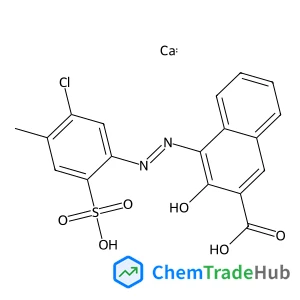
CAS Number
Related Products
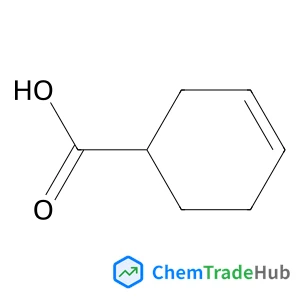
(1S)-3-Cyclohexene-1-carboxylic acid
CAS Number: 5708-19-0
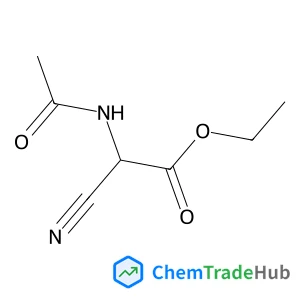
Ethyl Acetamidocyanoacetate
CAS Number: 4977-62-2
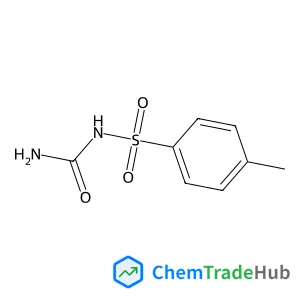
N-Carbamoyl-4-methylbenzenesulfonamide
CAS Number: 1694-06-0
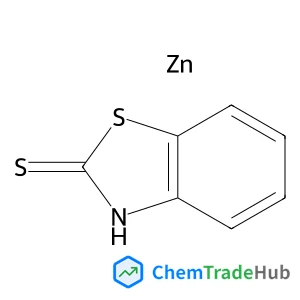
Zinc bis(1,3-benzothiazole-2-thiolate)
CAS Number: 155-04-4
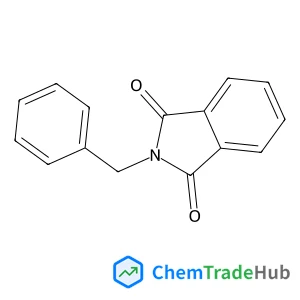
2-Benzyl-1H-isoindole-1,3(2H)-dione
CAS Number: 2142-01-0
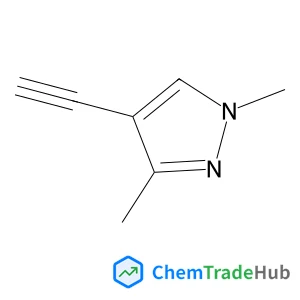
4-Ethynyl-1,3-dimethyl-1H-pyrazole
CAS Number: 61514-53-2
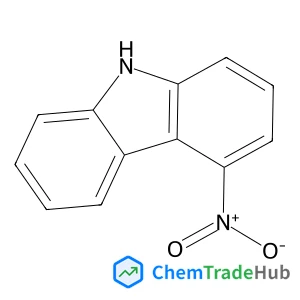
1-Nitro-9H-carbazole
CAS Number: 57905-76-7
Other Suppliers for Pigment Red 48:2


Basic Information
Molecular Formula
C18H13CaClN2O6S
Molecular Weight
460.9 g/mol
Chemical Identifiers
SMILES
OC(=O)c1cc2ccccc2c(c1O)/N=N/c1cc(Cl)c(cc1S(=O)(=O)O)C.[Ca]
InChIKey
PHFMCOUQHQMESB-ANVLNOONSA-N
Database References
MDL Number
MFCD00071945
FAQ
Pigment Red 48:2 (CAS: 7023-61-2) is a lightfast, non-toxic, and stable organic pigment. It has a molecular weight of approximately 682.5 g/mol. The pigment is insoluble in water but has good solubility in organic solvents. It exhibits excellent light and weather resistance, making it highly suitable for outdoor applications. Chemically, it is stable and does not react with most chemicals under normal conditions.
Pigment Red 48:2 (CAS: 7023-61-2) is synthesized through a multistep process involving coupling reactions and condensation. The key steps include the preparation of amines and coupling them with dyes using a catalyst such as a Lewis acid. The process typically yields around 80% purity with good selectivity. The final product undergoes purification and dispersion treatment to achieve optimal performance.
Pigment Red 48:2 (CAS: 7023-61-2) is widely used in the plastics, coatings, and printing ink industries due to its excellent lightfastness and color stability. It is also utilized in the textile industry for dyeing and finishing applications. Additionally, it finds use in the construction and aerospace industries for its durability and resistance to environmental degradation.
When handling Pigment Red 48:2 (CAS: 7023-61-2), it is important to use appropriate personal protective equipment (PPE) such as gloves, safety glasses, and a lab coat. Work should be conducted in a well-ventilated area or a fume hood to minimize exposure to dust. Spills should be cleaned up carefully using appropriate absorbents, and the material safety data sheet (MSDS) should be consulted for specific handling and disposal instructions. Proper storage should be in a cool, dry place away from direct sunlight and heat sources.
Safety Notice
Please verify product specifications and safety data before use. Contact the supplier for detailed safety information.
Always follow proper handling procedures
Contact Information
jacschem@163.com