



AD
3-{[Dimethyl(2-methyl-2-propanyl)silyl]oxy}-1-propanol(CAS: 73842-99-6)
![3-{[Dimethyl(2-methyl-2-propanyl)silyl]oxy}-1-propanol](https://static.chemtradehub.com/structs/738/73842-99-6-084c.webp "3-{[Dimethyl(2-methyl-2-propanyl)silyl]oxy}-1-propanol")
CAS Number
Related Products
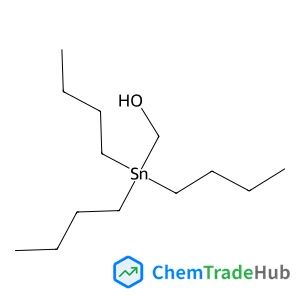
(Tributylstannyl)methanol
CAS Number: 27490-33-1

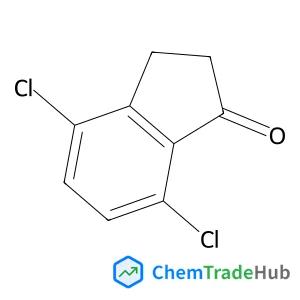
4,7-Dichloro-1-indanone
CAS Number: 52977-63-6
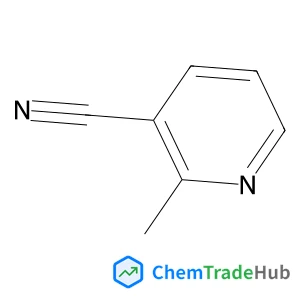
2-Methylnicotinonitrile
CAS Number: 1721-23-9
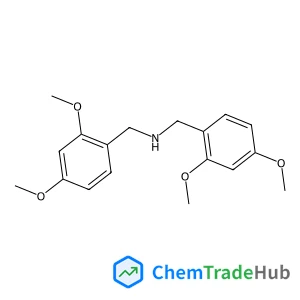
![Ethyl 5-bromo-2-({[(2-methyl-2-propanyl)oxy]carbonyl}amino)-3-thiophenecarboxylate](https://static.chemtradehub.com/structs/126/1260664-49-0-bc89.webp)
Other Suppliers for 3-{[Dimethyl(2-methyl-2-propanyl)silyl]oxy}-1-propanol
![3-{[Dimethyl(2-methyl-2-propanyl)silyl]oxy}-1-propanol — ShangHaiMaiRuiErShengHua Technology Co Ltd](https://static.chemtradehub.com/suppliers/67ced3b52b2de6e8e95a6e52/67ced3b52b2de6e8e95a6e52-logo.webp)
![3-{[Dimethyl(2-methyl-2-propanyl)silyl]oxy}-1-propanol — HuBeiYongKuo Technology Co Ltd](https://static.chemtradehub.com/suppliers/67cecc092b2de6e8e95a5bbd/67cecc092b2de6e8e95a5bbd-logo.webp)
![3-{[Dimethyl(2-methyl-2-propanyl)silyl]oxy}-1-propanol — ShangHaiJiZhiShengHua Technology Co Ltd](https://static.chemtradehub.com/suppliers/67cecbee2b2de6e8e95a5b72/67cecbee2b2de6e8e95a5b72-logo.webp)
![3-{[Dimethyl(2-methyl-2-propanyl)silyl]oxy}-1-propanol — HuBeiJiFeiYiYao Chemical Co Ltd](https://static.chemtradehub.com/suppliers/67cecc092b2de6e8e95a5bbb/67cecc092b2de6e8e95a5bbb-logo.webp)
![3-{[Dimethyl(2-methyl-2-propanyl)silyl]oxy}-1-propanol — Shanghai Yinxin Laboratory Equipment Co., Ltd.](https://static.chemtradehub.com/suppliers/67cdd97a57537e5c8069adfb/67cdd97a57537e5c8069adfb-logo.webp)
![3-{[Dimethyl(2-methyl-2-propanyl)silyl]oxy}-1-propanol — Shanghai Jixiang Biotechnology Co., Ltd.](https://static.chemtradehub.com/suppliers/67ce6f4d2b2de6e8e95a45bf/67ce6f4d2b2de6e8e95a45bf-logo.webp)
![3-{[Dimethyl(2-methyl-2-propanyl)silyl]oxy}-1-propanol — Leyan Reagents](https://static.chemtradehub.com/suppliers/67ce1f8657537e5c8069b370/67ce1f8657537e5c8069b370-logo.webp)
Basic Information
Molecular Formula
C9H22O2Si
Molecular Weight
190.36 g/mol
Physical Properties
Boiling Point
110 °C/6 mmHg(lit.)
Density
0.892 g/mL at 25 °C(lit.)
Chemical Identifiers
SMILES
CC(C)(C)[Si](C)(C)OCCCO
InChIKey
NETUFVYVNJNFMU-UHFFFAOYSA-N
Database References
MDL Number
MFCD00187968
FAQ
3-{[Dimethyl(2-methyl-2-propanyl)silyl]oxy}-1-propanol (CAS: 73842-99-6) falls under the scope of the REACH regulation for chemical registration, evaluation, authorization, and restriction. It should also comply with the Globally Harmonized System of Classification and Labeling of Chemicals (GHS) for hazardous substances. In the United States, it must adhere to FDA and EPA regulations concerning the use and handling of chemicals.
For synthesis, alternatives to 3-{[Dimethyl(2-methyl-2-propanyl)silyl]oxy}-1-propanol (CAS: 73842-99-6) include similar silyl ethers and other alcohol derivatives. Common substitutes may include dimethylallyl alcohol or similar silylated derivatives, which can serve similar functional groups in organic synthesis, providing a range of options based on the desired end product.
The market for 3-{[Dimethyl(2-methyl-2-propanyl)silyl]oxy}-1-propanol (CAS: 73842-99-6) is largely driven by its use in pharmaceuticals and fine chemicals. Research trends focus on its application as a silyl protecting group in organic synthesis and its potential in the synthesis of chiral compounds. Emerging areas include its use in drug discovery and development for its reactivity in different chemical transformations.
Waste containing 3-{[Dimethyl(2-methyl-2-propanyl)silyl]oxy}-1-propanol (CAS: 73842-99-6) should be collected in a sealed, non-reactive container and disposed of according to local hazardous waste regulations. It is recommended to consult a professional waste management service for safe disposal. Incineration is a common method for disposal, but care must be taken to ensure that the waste is appropriately pretreated to avoid any hazards. Environmental protection measures include ensuring that all waste is properly treated and not released into the environment without proper treatment.
Safety Notice
Please verify product specifications and safety data before use. Contact the supplier for detailed safety information.
Always follow proper handling procedures
Contact Information
helen@struchem.com