



AD
1-Methylcyclopropene(CAS: 3100-04-7)
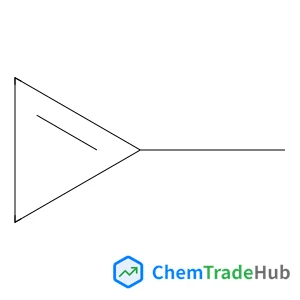
CAS Number
Related Products
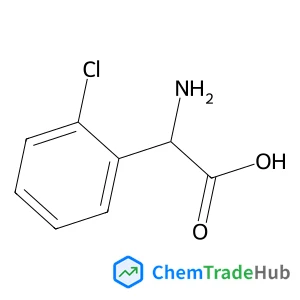
Amino(2-chlorophenyl)acetic acid
CAS Number: 141196-64-7
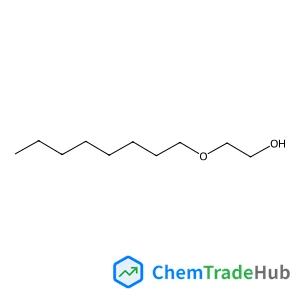
2-(Octyloxy)ethanol
CAS Number: 27252-75-1
![Sodium 3-({[(1E,4E)-4-({4-[(4-ethoxyphenyl)amino]phenyl}{4-[ethyl(3-sulfonatobenzyl)amino]-2-methylphenyl}methylene)-3-methyl-2,5-cyclohexadien-1-ylidene](ethyl)ammonio}methyl)benzenesulfonate](https://static.chemtradehub.com/structs/610/6104-58-1-ca5a.webp)
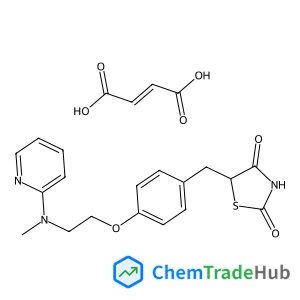
Rosiglitazone maleate
CAS Number: 155141-29-0
![5-Amino-1-cyclopropyl-7-[(3R,5S)-3,5-dimethyl-1-piperazinyl]-6,8-difluoro-4-oxo-1,4-dihydro-3-quinolinecarboxylic acid](https://static.chemtradehub.com/structs/110/110871-86-8-4053.webp)
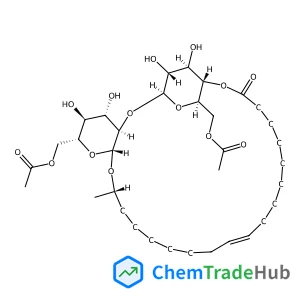
Lactonic Sophorolipid
CAS Number: 148409-20-5
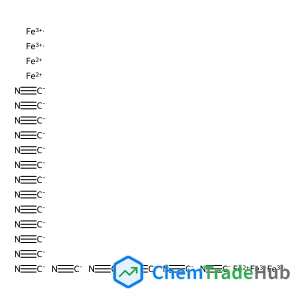
Iron(III) hexacyanoferrate(II)
CAS Number: 14038-43-8
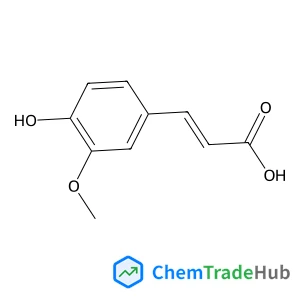
Ferulic Acid
CAS Number: 1135-24-6
Other Suppliers for 1-Methylcyclopropene




Basic Information
Molecular Formula
C4H6
Molecular Weight
54.09 g/mol
Chemical Identifiers
SMILES
CC1=CC1
InChIKey
SHDPRTQPPWIEJG-UHFFFAOYSA-N
Database References
MDL Number
MFCD11840628
FAQ
1-Methylcyclopropene (CAS: 3100-04-7) is classified as a plant growth regulator and falls under the regulations of Globally Harmonized System of Classification and Labelling of Chemicals (GHS). In the European Union, it is regulated under REACH (Registration, Evaluation, Authorisation and Restriction of Chemicals). The United States Environmental Protection Agency (EPA) and the Food and Drug Administration (FDA) also have specific guidelines for its use in agriculture and food safety, including residue limits and application methods.
Yes, there are alternatives to 1-Methylcyclopropene (CAS: 3100-04-7) for plant growth regulation. Some alternatives include ethylene inhibitors like silver nitrate and copper sulfate, as well as other plant growth regulators like gibberellic acid. These alternatives may offer similar effects but differ in efficacy, application methods, and potential environmental impact.
The market for 1-Methylcyclopropene (CAS: 3100-04-7) remains stable, with a focus on its use in post-harvest fruit preservation. Research trends are shifting towards understanding its mechanisms of action, developing more sustainable alternatives, and exploring its potential in combination with other plant growth regulators. The industry is also paying attention to regulatory changes and consumer preferences for organic and sustainable produce.
Waste containing 1-Methylcyclopropene (CAS: 3100-04-7) should be handled according to local hazardous waste regulations. Typically, this involves collecting waste in appropriate containers, ensuring proper labeling, and disposing of it through a professional waste disposal service that specializes in chemical waste. Incineration is a common method for disposal, but it must be done in an environmentally compliant manner to prevent emissions and protect the environment. Always consult the Material Safety Data Sheet (MSDS) and local regulatory bodies for specific handling instructions.
Safety Notice
Please verify product specifications and safety data before use. Contact the supplier for detailed safety information.
Always follow proper handling procedures

Contact Information
Contact Person
Xiao Peng
2771739180@qq.com
Mobile
18013301590
Telephone
025-84699383-8004
Visit Website
https://www.njduly.comAddress
Chuanxinhuai