



AD
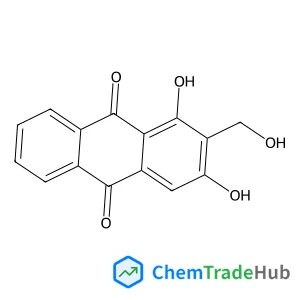
1,3-Dihydroxy-2-(hydroxymethyl)-9,10-anthraquinone(CAS: 478-08-0)
CAS Number
Related Products
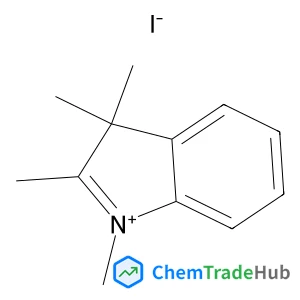
1,2,3,3-Tetramethyl-3H-indolium iodide
CAS Number: 5418-63-3
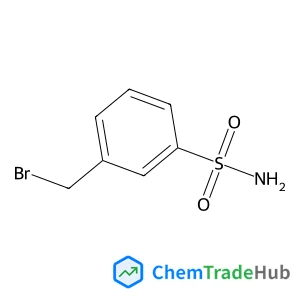
3-(Bromomethyl)benzenesulfonamide
CAS Number: 220798-52-7
![3,3'-(1,1,1,3,3,3-Hexafluoro-2,2-propanediyl)bis[6-(allyloxy)aniline]](https://static.chemtradehub.com/structs/257/2573217-07-7-f3dd.webp)
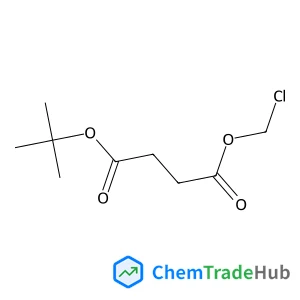
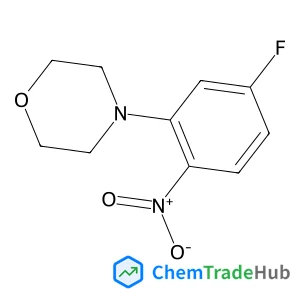
4-(5-Fluoro-2-nitrophenyl)morpholine
CAS Number: 536977-34-1
Other Suppliers for 1,3-Dihydroxy-2-(hydroxymethyl)-9,10-anthraquinone



Basic Information
Molecular Formula
C15H10O5
Molecular Weight
270.24 g/mol
Physical State
Yellow powder
Physical Properties
Melting Point
>330 ºC
Boiling Point
333.35°C (rough estimate)
Chemical Identifiers
SMILES
C1=CC=C2C(=C1)C(=O)C3=CC(=C(C(=C3C2=O)O)CO)O
InChIKey
AMIDUPFSOUCLQB-UHFFFAOYSA-N
Database References
MDL Number
MFCD01664482
Beilstein Registry Number
1888954
FAQ
Regulatory guidelines for 1,3-Dihydroxy-2-(hydroxymethyl)-9,10-anthraquinone (CAS: 478-08-0) include classification under the Globally Harmonized System of Classification and Labeling of Chemicals (GHS) as a skin and eye irritant. For manufacturing and processing, the European Union's REACH regulations must be followed, ensuring proper documentation and reporting of substances and mixtures. The U.S. FDA and EPA have specific requirements for the use and disposal of this compound, including restrictions on water pollution and hazardous waste management.
In the synthesis of anthraquinone derivatives, alternatives to 1,3-Dihydroxy-2-(hydroxymethyl)-9,10-anthraquinone include other anthraquinone analogs such as emodin and chrysophanol. These can be used as substitutes in various chemical reactions. Common alternative reagents include ferrocyanide and potassium ferricyanide, which can be employed in different synthetic pathways depending on the desired product and reaction conditions.
The market for 1,3-Dihydroxy-2-(hydroxymethyl)-9,10-anthraquinone (CAS: 478-08-0) is growing due to its applications in dye production and pharmaceuticals. Research trends are focused on exploring its use in natural product synthesis and as a potential antioxidant. Price trends show fluctuations based on supply and demand, with increasing interest in sustainable and eco-friendly production methods. Emerging studies are also investigating its antimicrobial and anti-inflammatory properties.
Waste containing 1,3-Dihydroxy-2-(hydroxymethyl)-9,10-anthraquinone (CAS: 478-08-0) should be collected in appropriate containers and stored in a secure, well-ventilated area. Professional waste disposal services should be used for incineration or other methods to ensure compliance with environmental regulations. Precautions include wearing protective gear and ensuring proper labeling of waste materials. Disposal should follow local, national, and international waste management guidelines to prevent environmental contamination.
Safety Notice
Please verify product specifications and safety data before use. Contact the supplier for detailed safety information.
Always follow proper handling procedures
Contact Information
Contact Person
Zhang Manager
angela@labgogo.com