



AD
2-(Diethylamino)ethanethiol hydrochloride (1:1)(CAS: 1942-52-5)
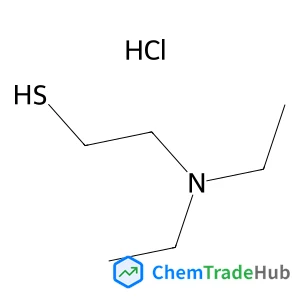
CAS Number
Related Products
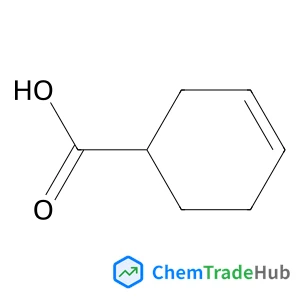
(1S)-3-Cyclohexene-1-carboxylic acid
CAS Number: 5708-19-0
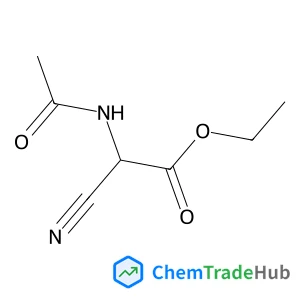
Ethyl Acetamidocyanoacetate
CAS Number: 4977-62-2
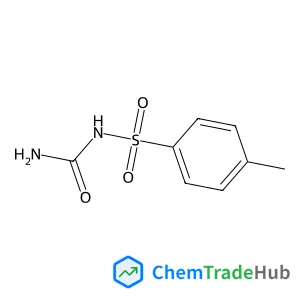
N-Carbamoyl-4-methylbenzenesulfonamide
CAS Number: 1694-06-0
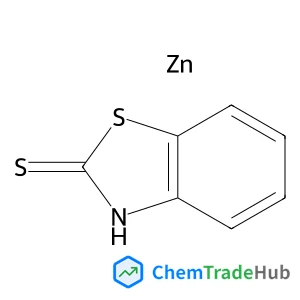
Zinc bis(1,3-benzothiazole-2-thiolate)
CAS Number: 155-04-4
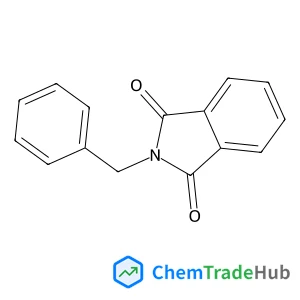
2-Benzyl-1H-isoindole-1,3(2H)-dione
CAS Number: 2142-01-0
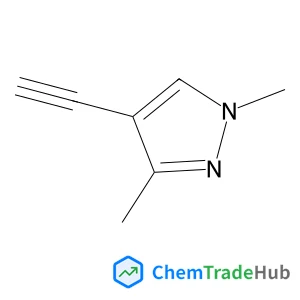
4-Ethynyl-1,3-dimethyl-1H-pyrazole
CAS Number: 61514-53-2
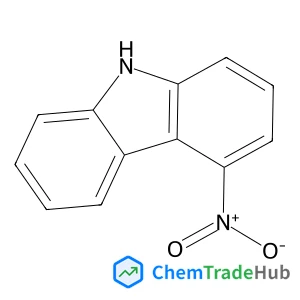
1-Nitro-9H-carbazole
CAS Number: 57905-76-7
Other Suppliers for 2-(Diethylamino)ethanethiol hydrochloride (1:1)


Basic Information
Molecular Formula
C6H16ClNS
Molecular Weight
169.72 g/mol
Physical Properties
Melting Point
170-175 °C (lit.)
Chemical Identifiers
SMILES
CCN(CC)CCS.Cl
InChIKey
QAXLTZBBDSDRPW-UHFFFAOYSA-N
Database References
MDL Number
MFCD00012634
FAQ
2-(Diethylamino)ethanethiol hydrochloride (CAS: 1942-52-5) is a white or off-white crystalline solid with a molecular weight of approximately 247.78 g/mol. It is slightly soluble in water and ethanol. This compound is known for its reactivity, particularly in nucleophilic substitution reactions. It has a pKa of about 4.2, indicating it is a weak acid.
2-(Diethylamino)ethanethiol hydrochloride is typically synthesized by reacting ethanethiol with diethylamine in the presence of a strong acid catalyst, such as hydrochloric acid. The reaction is conducted in an inert solvent like methanol or ethanol. The yield is generally high, and the product is isolated by crystallization from an appropriate solvent.
2-(Diethylamino)ethanethiol hydrochloride (CAS: 1942-52-5) is used in various industries. It is a key reagent in the synthesis of pharmaceuticals, as it can be incorporated into drug molecules. It is also used in the production of polymers and as a building block in organic synthesis. Additionally, it has applications in sensor technology and semiconductor manufacturing.
When handling 2-(Diethylamino)ethanethiol hydrochloride (CAS: 1942-52-5), it is important to wear appropriate personal protective equipment (PPE), including gloves, safety goggles, and lab coats. Work should be conducted in a well-ventilated fume hood to minimize exposure to vapors. Spills should be cleaned up with caution, using appropriate absorbent materials. Always refer to the Material Safety Data Sheet (MSDS) for comprehensive safety information.
Safety Notice
Please verify product specifications and safety data before use. Contact the supplier for detailed safety information.
Always follow proper handling procedures
Contact Information
jacschem@163.com