



AD
Potassium oxido(dioxo)vanadium(CAS: 13769-43-2)
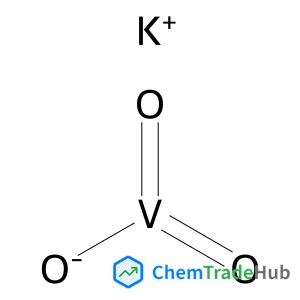
CAS Number
Related Products
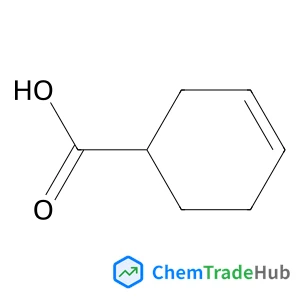
(1S)-3-Cyclohexene-1-carboxylic acid
CAS Number: 5708-19-0
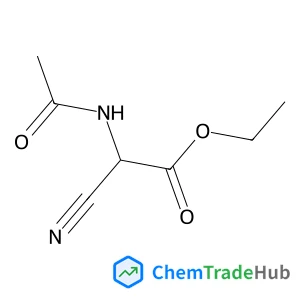
Ethyl Acetamidocyanoacetate
CAS Number: 4977-62-2
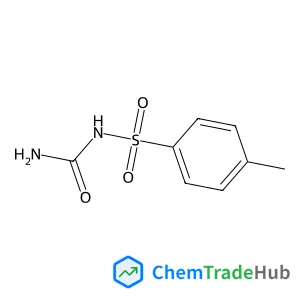
N-Carbamoyl-4-methylbenzenesulfonamide
CAS Number: 1694-06-0
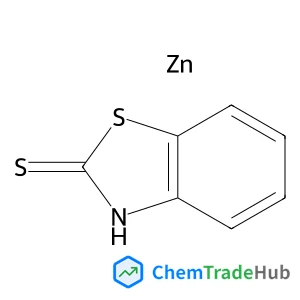
Zinc bis(1,3-benzothiazole-2-thiolate)
CAS Number: 155-04-4
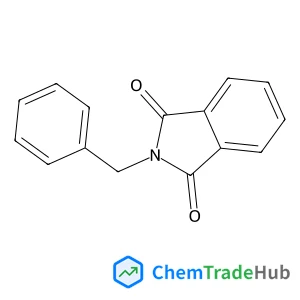
2-Benzyl-1H-isoindole-1,3(2H)-dione
CAS Number: 2142-01-0
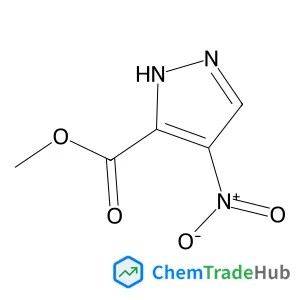
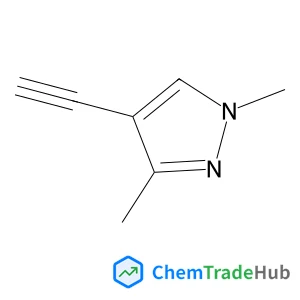
4-Ethynyl-1,3-dimethyl-1H-pyrazole
CAS Number: 61514-53-2
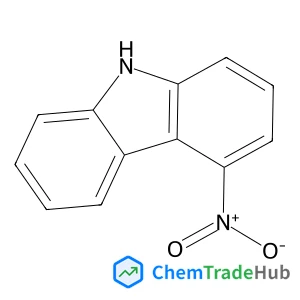
1-Nitro-9H-carbazole
CAS Number: 57905-76-7
Other Suppliers for Potassium oxido(dioxo)vanadium







Basic Information
Molecular Formula
KO3V
Molecular Weight
138.04 g/mol
Physical Properties
Melting Point
520 °C (lit.)
Water Solubility
Soluble in water.
Chemical Identifiers
SMILES
[O-][V](=O)=O.[K+]
InChIKey
BQFYGYJPBUKISI-UHFFFAOYSA-N
Database References
MDL Number
MFCD00050038
FAQ
Potassium oxido(dioxo)vanadium (CAS: 13769-43-2) is a crystalline compound with a molecular weight of approximately 167.09 g/mol. It is insoluble in water but soluble in acids. This compound is highly reactive, especially in the presence of moisture and air. It undergoes hydrolysis and oxidation reactions readily.
Potassium oxido(dioxo)vanadium (CAS: 13769-43-2) is synthesized through the reaction of potassium vanadate and potassium permanganate in an acidic medium. The synthesis typically involves careful control of temperature and pH to achieve high selectivity and yield. Catalysts such as sulfuric acid are often used to facilitate the reaction.
Potassium oxido(dioxo)vanadium (CAS: 13769-43-2) is utilized in various industries, particularly in the production of catalysts for organic synthesis, as a reagent in analytical chemistry, and in the development of sensors. It is also used in the synthesis of vanadium compounds with specific applications in pharmaceuticals and semiconductor manufacturing.
When handling Potassium oxido(dioxo)vanadium (CAS: 13769-43-2), it is crucial to wear appropriate personal protective equipment (PPE) such as gloves, goggles, and a lab coat. Work should be conducted in a well-ventilated area or a fume hood. Spills should be cleaned up using appropriate methods, and the substance should be disposed of according to local regulations. Refer to the Safety Data Sheet (SDS) for detailed handling instructions.
Safety Notice
Please verify product specifications and safety data before use. Contact the supplier for detailed safety information.
Always follow proper handling procedures
Contact Information
jacschem@163.com