



AD
Ethyl 2-oxotetrahydro-3-furancarboxylate(CAS: 77513-58-7)
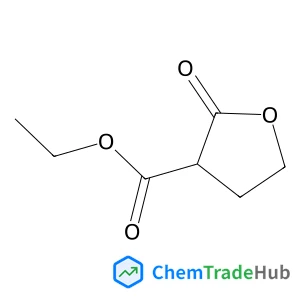
CAS Number
Related Products
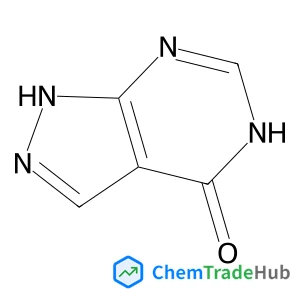
Xanthine oxidase
CAS Number: 9002-17-9
EC 1.1.3.21
CAS Number: 9046-28-0
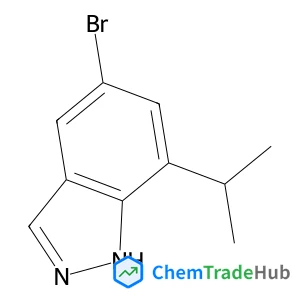
5-Bromo-7-isopropyl-1H-indazole
CAS Number: 773887-09-5
Leucine Dehydrogenase, recombinant
CAS Number: 9082-71-7

Bucelipase alfa
CAS Number: 9026-00-0
Other Suppliers for Ethyl 2-oxotetrahydro-3-furancarboxylate







Basic Information
Molecular Formula
C7H10O4
Molecular Weight
158.15 g/mol
Physical Properties
Boiling Point
277.6°C at 760 mmHg
Density
1.213
Flash Point
142.2°C
Chemical Identifiers
SMILES
CCOC(=O)C1CCOC1=O
InChIKey
JVRMSXLSEPWFIT-UHFFFAOYSA-N
Database References
MDL Number
MFCD01725680
Beilstein Registry Number
0130517
FAQ
Ethyl 2-oxotetrahydro-3-furancarboxylate (CAS: 77513-58-7) falls under various regulatory guidelines. It is classified under the Globally Harmonized System of Classification and Labelling of Chemicals (GHS) as a flammable liquid. In the European Union, it is covered by the Registration, Evaluation, Authorisation and Restriction of Chemicals (REACH) regulation. Additionally, the Food and Drug Administration (FDA) and Environmental Protection Agency (EPA) may have specific requirements for its handling and use in the United States.
Alternative reagents to Ethyl 2-oxotetrahydro-3-furancarboxylate (CAS: 77513-58-7) include ethyl 2-oxopiperidin-3-carboxylate and ethyl 2-oxopyrrolidin-3-carboxylate. These analogs can be used as substitutes depending on the specific reaction conditions and desired product. The choice of alternative will depend on the functional group requirements and the overall synthetic route.
What is the market or research trend for Ethyl 2-oxotetrahydro-3-furancarboxylate (CAS: 77513-58-7)?
The market for Ethyl 2-oxotetrahydro-3-furancarboxylate (CAS: 77513-58-7) is growing due to its use in the synthesis of various pharmaceuticals and natural products. Research trends are focused on its application in medicinal chemistry, particularly in the development of new drugs. The increasing interest in sustainable and environmentally friendly synthesis methods is also driving its use in green chemistry initiatives.
Waste containing Ethyl 2-oxotetrahydro-3-furancarboxylate (CAS: 77513-58-7) should be collected in appropriate containers and stored separately to prevent contamination. It should be disposed of through a hazardous waste management service that adheres to local, national, and international regulations. Incineration is a common method for disposing of such waste, but professional waste disposal services should be utilized to ensure compliance with environmental protection standards and safety regulations.
Safety Notice
Please verify product specifications and safety data before use. Contact the supplier for detailed safety information.
Always follow proper handling procedures
Contact Information
1250560380@qq.com