



AD
6-Bromo-4-hydroxy-3-quinolinecarboxylic acid(CAS: 98948-95-9)
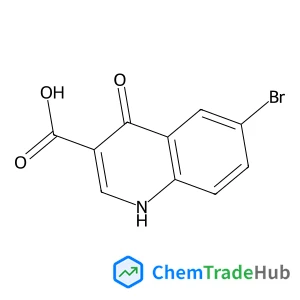
CAS Number
Related Products
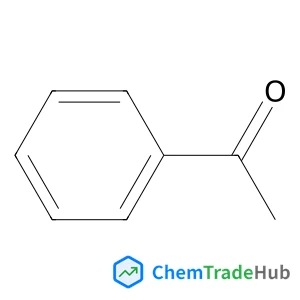
Acetophenone
CAS Number: 98-86-2
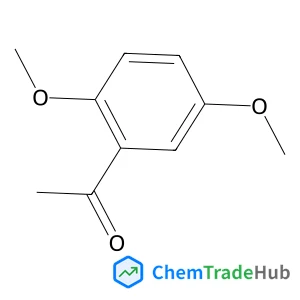
1-(2,5-Dimethoxyphenyl)ethanone
CAS Number: 1201-38-3
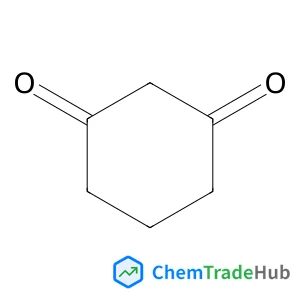
1,3-Cyclohexanedione
CAS Number: 504-02-9
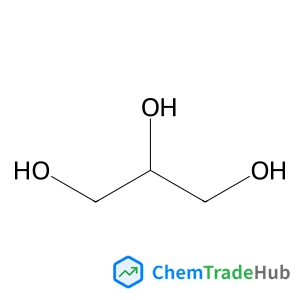
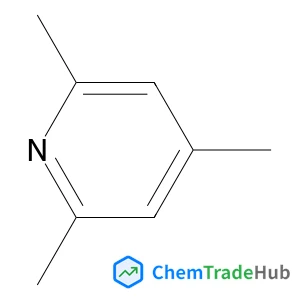
2,4,6-Trimethylpyridine
CAS Number: 108-75-8
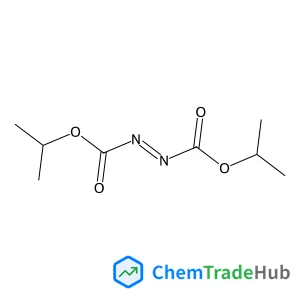
Diisopropyl Azodicarboxylate (DIAD)
CAS Number: 2446-83-5
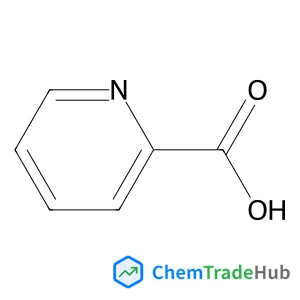
2-Pyridinecarboxylic acid
CAS Number: 98-98-6
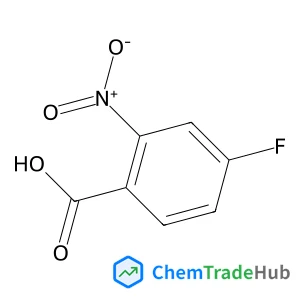
4-Fluoro-2-nitrobenzoic acid
CAS Number: 394-01-4
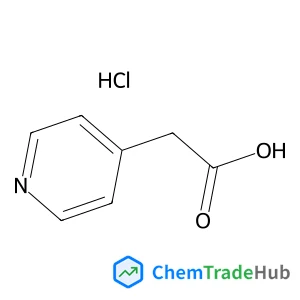
Other Suppliers for 6-Bromo-4-hydroxy-3-quinolinecarboxylic acid





Basic Information
Molecular Formula
C10H6BrNO3
Molecular Weight
268.07 g/mol
Physical Properties
Boiling Point
412.1ºC at 760mmHg
Density
1.804g/cm3
Flash Point
203ºC
Water Solubility
Slightly soluble in water.
Chemical Identifiers
SMILES
C1=CC2=C(C=C1Br)C(=O)C(=CN2)C(=O)O
InChIKey
GIUZUAUCCUFVKW-UHFFFAOYSA-N
Database References
MDL Number
MFCD01569278
FAQ
6-Bromo-4-hydroxy-3-quinolinecarboxylic acid (CAS: 98948-95-9) falls under regulatory guidelines such as REACH in Europe for chemical registration, evaluation, authorization, and restriction. It also adheres to the GHS (Global Harmonized System of Classification and Labelling of Chemicals) for hazard communication. FDA and EPA guidelines may apply depending on its intended use. Proper labeling, storage, and disposal practices are mandatory to comply with these regulations.
There are several alternatives to 6-Bromo-4-hydroxy-3-quinolinecarboxylic acid (CAS: 98948-95-9) in synthesis, including 5-bromo-3-hydroxy-4-quinolinecarboxylic acid and 4-chloro-3-hydroxy-5-quinolinecarboxylic acid. These compounds can be used as substitutes based on the specific needs of the synthesis process. Common alternative reagents include bromine and hydroxyl compounds, which can be used to modify quinoline derivatives.
The market for 6-Bromo-4-hydroxy-3-quinolinecarboxylic acid (CAS: 98948-95-9) is emerging, with increasing research interest in its use as an intermediate in pharmaceutical and agrochemical industries. Recent trends include its application in developing new drug candidates, particularly for anti-inflammatory and antiviral treatments. Market trends suggest a growing demand due to its unique chemical properties.
Waste containing 6-Bromo-4-hydroxy-3-quinolinecarboxylic acid (CAS: 98948-95-9) should be collected in appropriate containers and disposed of according to local regulations. Incineration is often recommended for chemical waste, but professional waste disposal services are available for hazardous substances. Proper environmental protection measures, including spill containment and safe handling, are essential to prevent contamination. Always consult the Material Safety Data Sheet (MSDS) for specific disposal instructions.
Safety Notice
Please verify product specifications and safety data before use. Contact the supplier for detailed safety information.
Always follow proper handling procedures
Contact Information
3398435160@qq.com