



AD
4-Iodo-1-tritylimidazole(CAS: 96797-15-8)
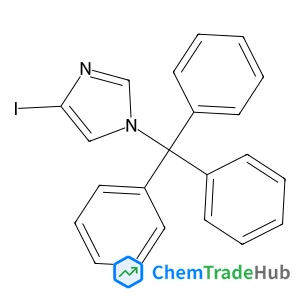
CAS Number
Related Products
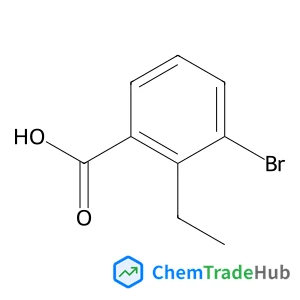
3-Bromo-2-ethylbenzoic acid
CAS Number: 99548-72-8
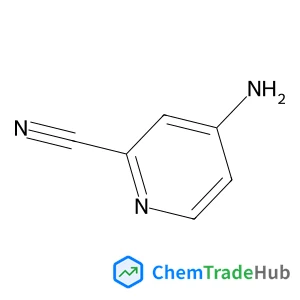
4-Amino-2-pyridinecarbonitrile
CAS Number: 98139-15-2
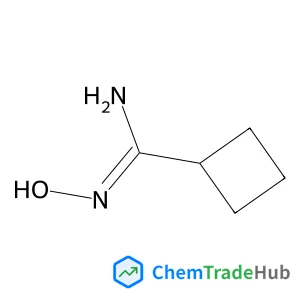
N-Hydroxycyclobutanecarboximidamide
CAS Number: 99623-08-2
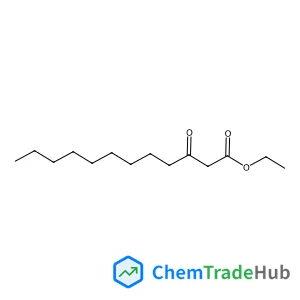
Ethyl 3-oxododecanoate
CAS Number: 67342-99-8
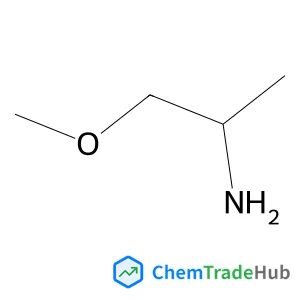
(2S)-1-Methoxy-2-propanamine
CAS Number: 99636-32-5
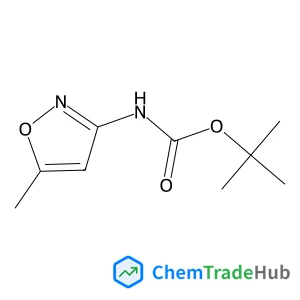
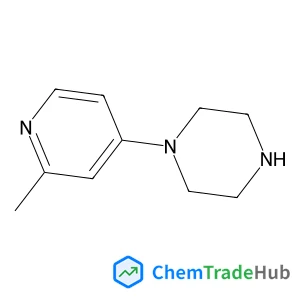
1-(2-Methyl-4-pyridinyl)piperazine
CAS Number: 98010-38-9
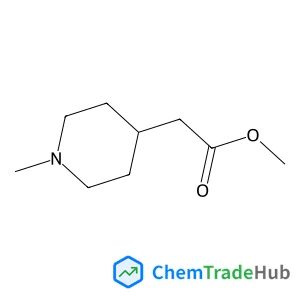
Other Suppliers for 4-Iodo-1-tritylimidazole







Basic Information
Molecular Formula
C22H17IN2
Molecular Weight
436.3 g/mol
Physical Properties
Melting Point
221.0 to 225.0 deg-C
Boiling Point
509.7°C at 760 mmHg
Flash Point
262℃
Chemical Identifiers
SMILES
C1=CC=C(C=C1)C(C2=CC=CC=C2)(C3=CC=CC=C3)N4C=C(N=C4)I
InChIKey
DXJZJYPLPZEYBH-UHFFFAOYSA-N
Database References
MDL Number
MFCD02179542
FAQ
4-Iodo-1-tritylimidazole (CAS: 96797-15-8) is a crystalline solid with a molecular weight of approximately 455.27 g/mol. It has a low solubility in water but is more soluble in organic solvents such as ethanol and acetone. This compound shows reactivity towards nucleophiles and electrophiles, making it useful in organic synthesis. It typically forms a yellow solid at room temperature.
4-Iodo-1-tritylimidazole (CAS: 96797-15-8) is typically synthesized through the electrophilic aromatic iodination of tritylimidazole using iodine. The reaction requires a Lewis acid catalyst such as aluminum chloride to facilitate the electrophilic substitution. The yield is generally good, with high selectivity towards the iodination product.
4-Iodo-1-tritylimidazole (CAS: 96797-15-8) is used in the pharmaceutical industry for the synthesis of various drug precursors. It is also relevant in polymer chemistry for the development of functional polymers with specific properties. Additionally, it can be utilized in the fabrication of sensors and as a reagent in semiconductor manufacturing processes.
When handling 4-Iodo-1-tritylimidazole (CAS: 96797-15-8), it is important to use personal protective equipment (PPE) such as gloves, goggles, and a lab coat. Work should be conducted in a well-ventilated area or a fume hood to minimize exposure. Spills should be cleaned up immediately using appropriate absorbents. Safety data sheets (SDS) should be consulted for detailed emergency response procedures and proper disposal methods.
Safety Notice
Please verify product specifications and safety data before use. Contact the supplier for detailed safety information.
Always follow proper handling procedures
Contact Information
contact@labnetwork.com