



AD
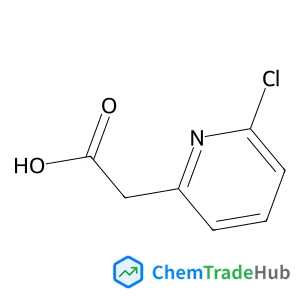
2-(6-Chloropyridin-2-yl)acetic acid(CAS: 885267-14-1)
CAS Number
Related Products
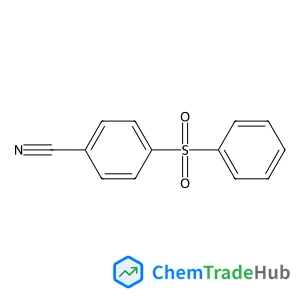
4-(Phenylsulfonyl)benzonitrile
CAS Number: 28525-13-5
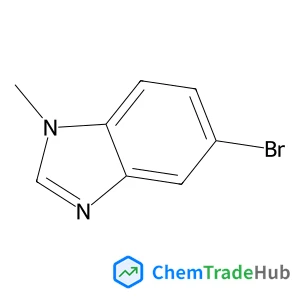
5-Bromo-1-methyl-1H-benzimidazole
CAS Number: 53484-15-4
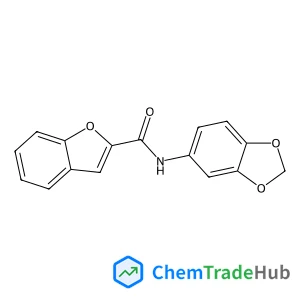
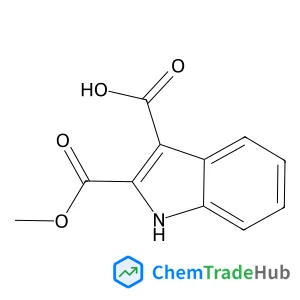
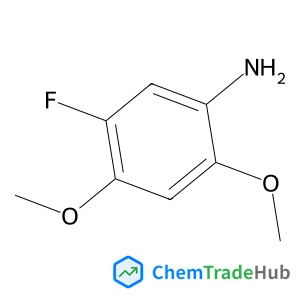
5-Fluoro-2,4-dimethoxyaniline
CAS Number: 195136-65-3
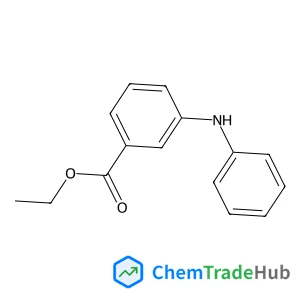
ethyl 3-(phenylamino)benzoate
CAS Number: 1369265-53-1
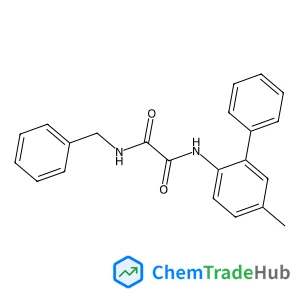
Other Suppliers for 2-(6-Chloropyridin-2-yl)acetic acid






Basic Information
Molecular Formula
C7H6ClNO2
Molecular Weight
171.58 g/mol
Physical Properties
Boiling Point
312.4℃ at 760 mmHg
Density
1.405
Flash Point
142.8°C
Chemical Identifiers
SMILES
C1=CC(=NC(=C1)Cl)CC(=O)O
InChIKey
VXIZNALVARXJBD-UHFFFAOYSA-N
Database References
MDL Number
MFCD08706288
FAQ
2-(6-Chloropyridin-2-yl)acetic acid (CAS: 885267-14-1) is subject to various regulatory guidelines including GHS classification, REACH regulations, and FDA/EPA requirements. It is classified as a hazardous substance under the Globally Harmonized System of Classification and Labeling of Chemicals (GHS), which mandates specific hazard communication including labels and safety data sheets (SDS). REACH regulations in the EU require manufacturers and importers to register the substance if the annual tonnage is above 1 ton. Additionally, the FDA may regulate its use in pharmaceutical applications, while the EPA oversees its environmental handling and potential impact on ecosystems.
Several alternatives to 2-(6-Chloropyridin-2-yl)acetic acid (CAS: 885267-14-1) can be used in synthesis, depending on the specific requirements of the reaction. Common alternatives include 2-pyridineacetic acid and its derivatives, such as 2-(5-chloropyridin-2-yl)acetic acid. These compounds can be used as starting materials or intermediates in various synthetic pathways. Additionally, other reagents like 2-(6-bromopyridin-2-yl)acetic acid or related analogs can serve as substitutes. However, the choice of alternative depends on the desired product and the specific reaction conditions.
The market for 2-(6-Chloropyridin-2-yl)acetic acid (CAS: 885267-14-1) is driven by its potential applications in pharmaceuticals, agrochemicals, and other industries. Research trends indicate increasing focus on its use as an intermediate in drug synthesis due to its unique chemical properties. Market trends show steady demand, particularly in regions with strong pharmaceutical industries. The compound is also being explored for its potential in anti-inflammatory and analgesic applications, which could expand its market reach. Moreover, there is growing interest in developing more environmentally friendly synthesis methods to meet sustainability goals.
Waste containing 2-(6-Chloropyridin-2-yl)acetic acid (CAS: 885267-14-1) should be handled according to specific waste management guidelines. It is important to collect the waste in appropriate containers and ensure proper labeling. Waste disposal should be carried out by professional waste disposal services that comply with local and national regulations. Incineration is a common method for disposing of hazardous waste, but it must be conducted in specialized facilities. Environmental protection measures include minimizing the release of hazardous substances into the environment and ensuring that all waste handling practices are in accordance with the Globally Harmonized System (GHS) and REACH regulations. Always consult local regulations and ensure compliance with all relevant environmental protection guidelines.
Safety Notice
Please verify product specifications and safety data before use. Contact the supplier for detailed safety information.
Always follow proper handling procedures

Contact Information
Contact Person
Pan Gang
690231469@qq.com
Mobile
19355912709
Visit Website
https://www.yxjchem.com/Address
Beijing Road and Dalian Road Intersection, Baohe Economic Development Zone, Hefei City, Anhui Quality Valley Inspection and Testing Science and Technology Park, Building 5, Standardized Factory 810 Room