



AD
Ethyl (2E)-3-(4-chlorophenyl)acrylate(CAS: 24393-52-0)
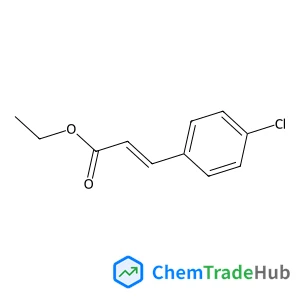
CAS Number
Related Products
![1-[4-Amino-3-chloro-5-(trifluoromethyl)phenyl]-2-[(2-methyl-2-propanyl)amino]ethanol hydrochloride (1:1)](https://static.chemtradehub.com/structs/542/54240-36-7-06e4.webp)
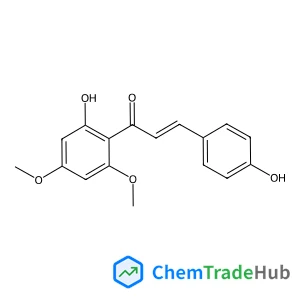
2',4-Dihydroxy-4',6'-dimethoxychalcone
CAS Number: 37308-75-1
![8-({(3R,4R,5S)-3-[(4,4-Difluorocyclohexyl)methoxy]-5-methoxy-4-piperidinyl}amino)-3-methyl-5-(5-methyl-3-pyridinyl)-1,7-naphthyridin-2(1H)-one](https://static.chemtradehub.com/structs/199/1997369-78-4-ea15.webp)
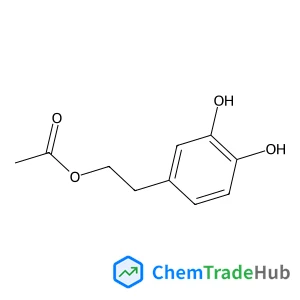
2-(3,4-Dihydroxyphenyl)ethyl acetate
CAS Number: 69039-02-7
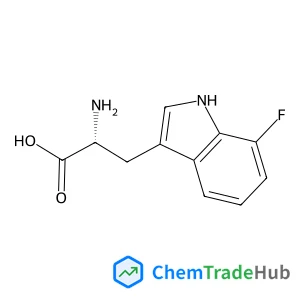
7-Fluorotryptophan
CAS Number: 138514-98-4
![5-[(1S)-1-{(1R,2R)-2-[(1R,3R)-2,2-Dimethyl-3-(3-oxobutyl)cyclopropyl]-1-methyl-3-oxocyclopentyl}-3-methylbutyl]-2,4,6-trihydroxyisophthalaldehyde](https://static.chemtradehub.com/structs/221/221899-21-4-fc5c.webp)
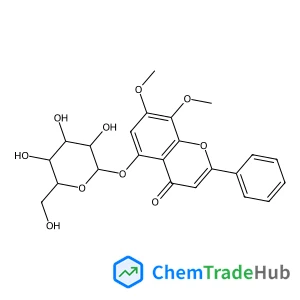
Andrographidine C
CAS Number: 113963-39-6
![(2E)-3-(6-Bromo-2-pyridinyl)-2-cyano-N-[(1S)-1-phenylethyl]acrylamide](https://static.chemtradehub.com/structs/857/857064-38-1-2c6b.webp)
Other Suppliers for Ethyl (2E)-3-(4-chlorophenyl)acrylate


Basic Information
Molecular Formula
C11H11ClO2
Molecular Weight
210.66 g/mol
Chemical Identifiers
SMILES
CCOC(=O)C=CC1=CC=C(C=C1)Cl
InChIKey
MHZFMMSRIDAQIB-VMPITWQZSA-N
Database References
MDL Number
MFCD00045213
FAQ
Ethyl (2E)-3-(4-chlorophenyl)acrylate (CAS: 24393-52-0) is subject to regulations such as the REACH (Registration, Evaluation, Authorization, and Restriction of Chemicals) in the European Union, which requires manufacturers and importers to register substances with the European Chemicals Agency. Additionally, it falls under the GHS (Globally Harmonized System of Classification and Labeling of Chemicals) for classification and labeling. The FDA and EPA in the USA also regulate its use, handling, and disposal based on specific hazard assessments and control measures.
Yes, alternatives to Ethyl (2E)-3-(4-chlorophenyl)acrylate (CAS: 24393-52-0) include other acrylate esters with different substituents, such as methyl (2E)-3-(4-chlorophenyl)acrylate or ethyl (2E)-3-(3-chlorophenyl)acrylate. Other synthetic routes may involve using different reagents like vinyl acetate or other acrylate derivatives, which can offer similar functionalities but with different physical and chemical properties.
The market for Ethyl (2E)-3-(4-chlorophenyl)acrylate (CAS: 24393-52-0) is driven by its use in various applications such as adhesives, paints, and coatings. Research trends are focusing on developing more environmentally friendly alternatives and exploring its use in advanced materials and biodegradable products. The demand is also influenced by regulatory changes and the need for safer chemical formulations.
Waste containing Ethyl (2E)-3-(4-chlorophenyl)acrylate (CAS: 24393-52-0) should be collected in appropriate containers and disposed of through professional waste disposal services. Incineration is a common method for disposal, provided it is conducted in an approved facility. Environmental precautions include ensuring that the waste does not contaminate water sources or air. Proper labeling and documentation of the waste are essential to comply with environmental regulations and safety standards.
Safety Notice
Please verify product specifications and safety data before use. Contact the supplier for detailed safety information.
Always follow proper handling procedures
Contact Information
2851167780@qq.com
Mobile
13348961525
Fax
028-81705658
Visit Website
https://www.weikeqi-biotech.com