



AD
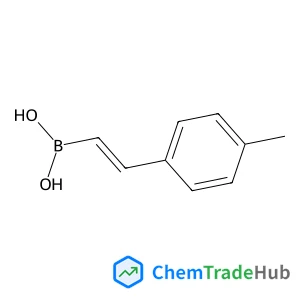
(4-Methylstyryl)boronic acid(CAS: 72316-17-7)
CAS Number
Related Products
![2-Methyl-2-propanyl [(2R)-1-hydroxy-2-propanyl]carbamate](https://static.chemtradehub.com/structs/106/106391-86-0-8397.webp)
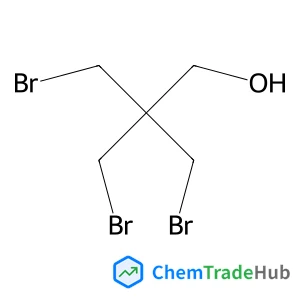
3-Bromo-2,2-bis(bromomethyl)-1-propanol
CAS Number: 1522-92-5
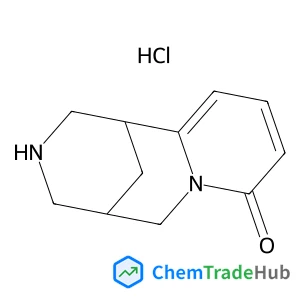
Cytisine hydrochloride
CAS Number: 6047-01-4
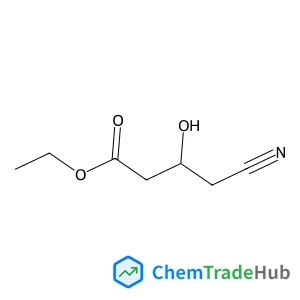
Atorvastatin Impurity 55
CAS Number: 141942-85-0
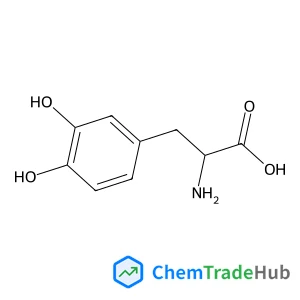
3-Hydroxy-D-tyrosine
CAS Number: 5796-17-8
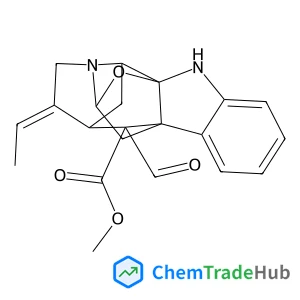
Picralinal
CAS Number: 20045-06-1
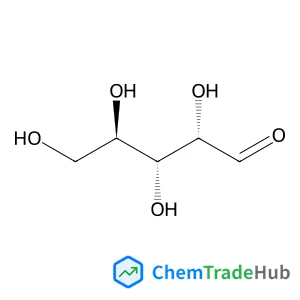
D-Arabinose
CAS Number: 9032-75-1
![(3aS,9R,9aS,9bS)-9-Hydroxy-6,9-dimethyl-3-methylene-3a,4,5,7,8,9,9a,9b-octahydroazuleno[4,5-b]furan-2(3H)-one](https://static.chemtradehub.com/structs/683/68370-47-8-daf4.webp)
Other Suppliers for (4-Methylstyryl)boronic acid





Basic Information
Molecular Formula
C9H11BO2
Molecular Weight
162 g/mol
Physical Properties
Melting Point
169-175 °C (lit.)
Boiling Point
330.9°C at 760 mmHg
Density
1.1
Flash Point
154°C
Chemical Identifiers
SMILES
B(C=CC1=CC=C(C=C1)C)(O)O
InChIKey
JJOBVKVXRDHVRP-UHFFFAOYSA-N
Database References
MDL Number
MFCD03427284
FAQ
Regulatory guidelines for (4-Methylstyryl)boronic acid (CAS: 72316-17-7) include REACH regulations in the European Union, which covers registration, evaluation, authorization, and restriction of chemicals. Additionally, it may fall under the Global Harmonized System (GHS) for classification and labeling of chemicals. In the USA, it might be subject to EPA regulations for environmental protection and FDA for pharmaceutical applications. Always consult the latest regulatory documents for specific requirements.
Alternatives to (4-Methylstyryl)boronic acid (CAS: 72316-17-7) include other boronic acids such as phenylboronic acid or methylboronic acid. Isomers like 2-Methylstyrylboronic acid can also be considered. Synthesizers may opt for these depending on the reactivity and availability. Always consider the specific reaction conditions and desired product purity when selecting an alternative.
The market for (4-Methylstyryl)boronic acid (CAS: 72316-17-7) is growing due to its applications in organic synthesis, particularly in Suzuki coupling reactions. Research trends focus on its use in drug discovery, polymer synthesis, and materials science. However, market dynamics can vary, so staying updated with industry reports and scientific journals is essential.
Waste containing (4-Methylstyryl)boronic acid (CAS: 72316-17-7) should be collected in appropriate containers and disposed of through professional waste disposal services. Incineration is a common method for disposal, but ensure it is done in a manner compliant with environmental regulations. Always refer to the Material Safety Data Sheet (MSDS) and local waste management guidelines for specific handling instructions.
Safety Notice
Please verify product specifications and safety data before use. Contact the supplier for detailed safety information.
Always follow proper handling procedures
Contact Information
2423903095@qq.com