



AD
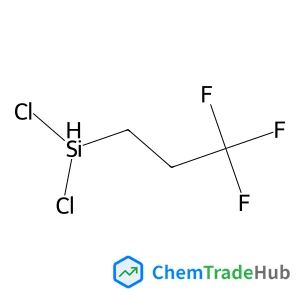
Dichloro(3,3,3-trifluoropropyl)silane(CAS: 870-56-4)
CAS Number
Related Products
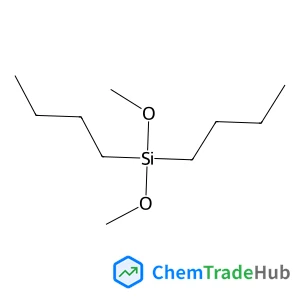
Dibutyl(dimethoxy)silane
CAS Number: 18132-63-3
![N-[3-[Tris(trimethylsiloxy)silyl]propyl]acrylamide](https://static.chemtradehub.com/structs/115/115258-10-1-577e.webp)
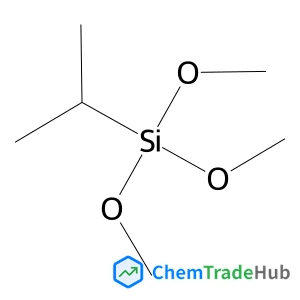
Silane, trimethoxy(1-methylethyl)-
CAS Number: 14346-37-3
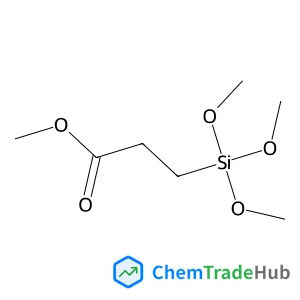
Methyl 3-(trimethoxysilyl)propanoate
CAS Number: 76301-00-3
![Bicyclo[2.2.1]hept-5-en-2-yl(diethoxymethyl)silane](https://static.chemtradehub.com/structs/113/113276-73-6-6287.webp)
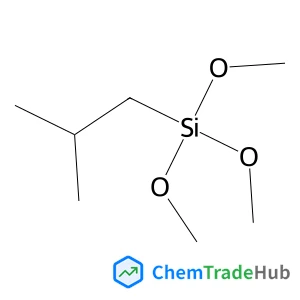
Isobutyl(trimethoxy)silane
CAS Number: 18395-30-7
![(2E)-4-Methyl-N-[3-(triethoxysilyl)propyl]-2-pentanimine](https://static.chemtradehub.com/structs/116/116229-43-7-92a7.webp)
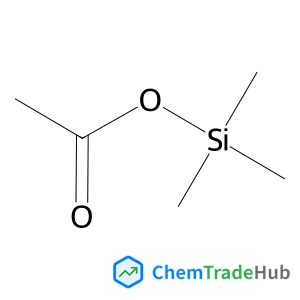
Trimethylsilyl acetate
CAS Number: 2754-27-0
Other Suppliers for Dichloro(3,3,3-trifluoropropyl)silane








Basic Information
Molecular Formula
C3H5Cl2F3Si
Molecular Weight
197.06 g/mol
Physical Properties
Boiling Point
90-91 ºC
Density
121
Flash Point
13.7±25.9 ºC,
Chemical Identifiers
SMILES
FC(F)(F)CC[SiH](Cl)Cl
InChIKey
LCZXHHWLLUALLU-UHFFFAOYSA-N
Database References
FAQ
Dichloro(3,3,3-trifluoropropyl)silane (CAS: 870-56-4) is regulated under the Globally Harmonized System of Classification and Labelling of Chemicals (GHS) and the Registration, Evaluation, Authorization and Restriction of Chemicals (REACH) regulations in the European Union. In the United States, it falls under the jurisdiction of the Environmental Protection Agency (EPA) and the Food and Drug Administration (FDA) for specific applications. Proper handling, storage, and disposal must comply with these guidelines to ensure safety and regulatory compliance.
There are several alternatives to Dichloro(3,3,3-trifluoropropyl)silane in synthesis, including other silanes with different functional groups, such as trifluoropropylsilanes with different halogen substitutions, and other organofluorine compounds. These alternatives can offer similar functionalities with varying degrees of reactivity and selectivity, making them suitable for different synthetic routes and applications.
The market for Dichloro(3,3,3-trifluoropropyl)silane (CAS: 870-56-4) is currently expanding due to its applications in the synthesis of fluorinated materials, pharmaceuticals, and polymers. Research trends are focusing on developing safer and more efficient synthesis methods, as well as exploring its use in advanced materials and technologies. The trend indicates an increasing demand for this compound in various industrial and academic settings.
Waste containing Dichloro(3,3,3-trifluoropropyl)silane (CAS: 870-56-4) should be collected in appropriate containers and disposed of through professional waste disposal services. Incineration is a common method for handling this waste, ensuring that emissions meet environmental standards. Additionally, all handling and disposal should comply with local, national, and international regulations to protect the environment and human health.
Safety Notice
Please verify product specifications and safety data before use. Contact the supplier for detailed safety information.
Always follow proper handling procedures
Contact Information
928451787@qq.com