



AD
2-(3,4-Dihydroxyphenyl)-5,7-dihydroxy-3-chromeniumolate hydrochloride (1:1)(CAS: 528-58-5)
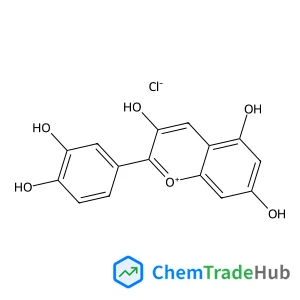
CAS Number
Related Products
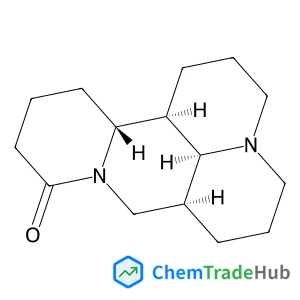
Matridin-15-one
CAS Number: 519-02-8
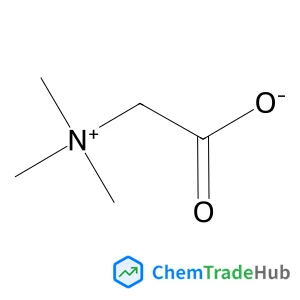
2-(trimethylazaniumyl)acetate
CAS Number: 107-43-7
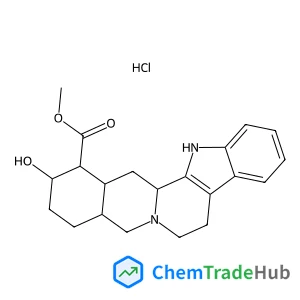
Yohimbine HCl
CAS Number: 65-19-0
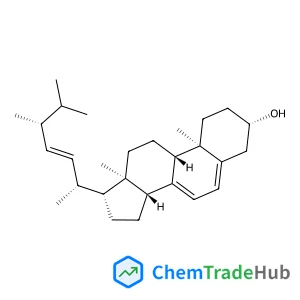
(3beta,22E)-Ergosta-5,7,22-trien-3-ol
CAS Number: 57-87-4
![b-D-Glucopyranoside,(1aR,2S,3aR,5R,5aR,5bS)-5b-[(benzoyloxy)methyl]tetrahydro-5-hydroxy-2-methyl-2,5-methano-1H-3,4-dioxacyclobuta[cd]pentalen-1a(2H)-yl](https://static.chemtradehub.com/structs/231/23180-57-6-9a90.webp)
![4-[(1S,3aR,4S,6aR)-4-(4-Hydroxy-3,5-dimethoxyphenyl)tetrahydro-1H,3H-furo[3,4-c]furan-1-yl]-2,6-dimethoxyphenyl beta-D-glucopyranoside](https://static.chemtradehub.com/structs/737/7374-79-0-93d6.webp)
Nepeta hederacea
CAS Number: 84650-18-0
![(2R)-2-({(2E)-3-[(2R,3R)-3-{[(1R)-1-Carboxy-2-(3,4-dihydroxyphenyl)ethoxy]carbonyl}-2-(3,4-dihydroxyphenyl)-7-hydroxy-2,3-dihydro-1-benzofuran-4-yl]-2-propenoyl}oxy)-3-(3,4-dihydroxyphenyl)propanoic a
cid](https://static.chemtradehub.com/structs/115/115939-25-8-b15d.webp)
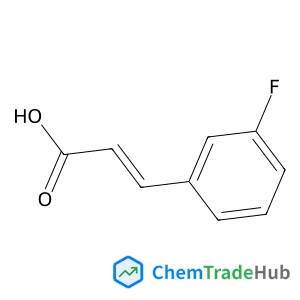
3-(3-fluorophenyl)prop-2-enoic acid
CAS Number: 458-46-8
Other Suppliers for 2-(3,4-Dihydroxyphenyl)-5,7-dihydroxy-3-chromeniumolate hydrochloride (1:1)




Basic Information
Molecular Formula
C15H11ClO6
Molecular Weight
322.69 g/mol
Physical State
Powder
Physical Properties
Melting Point
No data available
Boiling Point
349.55°C (rough estimate)
Flash Point
No data available
Chemical Identifiers
SMILES
C1=CC(=C(C=C1C2=[O+]C3=CC(=CC(=C3C=C2O)O)O)O)O.[Cl-]
InChIKey
COAWNPJQKJEHPG-UHFFFAOYSA-N
Database References
MDL Number
MFCD00017582
FAQ
What is 2-(3,4-Dihydroxyphenyl)-5,7-dihydroxy-3-chromeniumolate hydrochloride (1:1) (CAS: 528-58-5)?
2-(3,4-Dihydroxyphenyl)-5,7-dihydroxy-3-chromeniumolate hydrochloride (1:1), with CAS number 528-58-5, is a derivative of chromone and is commonly known as a key intermediate in the synthesis of certain bioactive compounds. It is a yellow solid with a molecular formula of C15H10O8 and exhibits antioxidant properties due to its multiple hydroxyl groups. This compound is often used in chemical research and pharmaceutical development for its potential biological activity.
2-(3,4-Dihydroxyphenyl)-5,7-dihydroxy-3-chromeniumolate hydrochloride (1:1) is primarily used in pharmaceutical research for the development of drugs targeting oxidative stress and inflammation. It serves as a building block in the synthesis of flavonoids and other natural products. Additionally, it finds applications in the chemical industry for the production of specialty chemicals and as a component in some food-related formulations.
Is 2-(3,4-Dihydroxyphenyl)-5,7-dihydroxy-3-chromeniumolate hydrochloride (1:1) (CAS: 528-58-5) safe?
2-(3,4-Dihydroxyphenyl)-5,7-dihydroxy-3-chromeniumolate hydrochloride (1:1) is generally considered safe when handled properly. It is not classified as a highly toxic substance, but standard safety precautions should be followed, such as using personal protective equipment and avoiding inhalation or skin contact. Safety data sheets (SDS) for this compound typically outline its low acute toxicity and recommend standard laboratory safety practices.
This compound should be stored in a cool, dry, and dark place, preferably at 2-8°C, to maintain its stability. It is sensitive to moisture and light, so it should be kept in a sealed container and away from direct sunlight. Proper storage is essential to prevent degradation and ensure chemical integrity, particularly in laboratory and industrial settings.
Safety Notice
Please verify product specifications and safety data before use. Contact the supplier for detailed safety information.
Always follow proper handling procedures