



AD
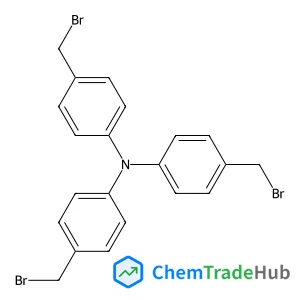
Tris(4-(bromomethyl)phenyl)amine(CAS: 100693-36-5)
CAS Number
Related Products
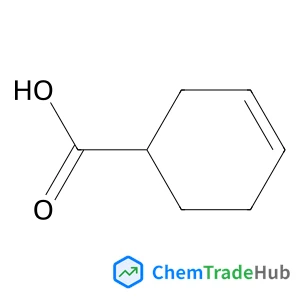
(1S)-3-Cyclohexene-1-carboxylic acid
CAS Number: 5708-19-0
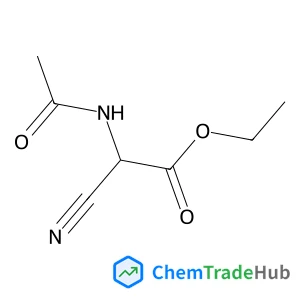
Ethyl Acetamidocyanoacetate
CAS Number: 4977-62-2
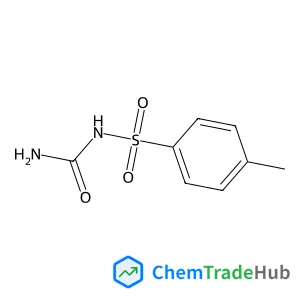
N-Carbamoyl-4-methylbenzenesulfonamide
CAS Number: 1694-06-0
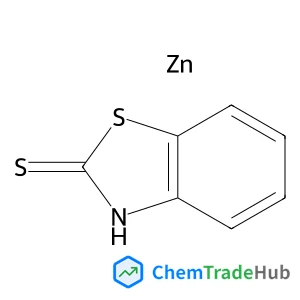
Zinc bis(1,3-benzothiazole-2-thiolate)
CAS Number: 155-04-4
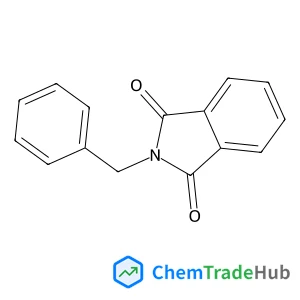
2-Benzyl-1H-isoindole-1,3(2H)-dione
CAS Number: 2142-01-0
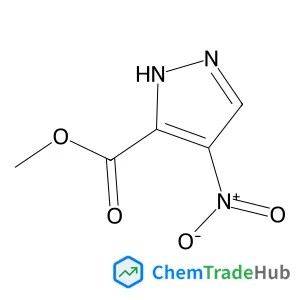
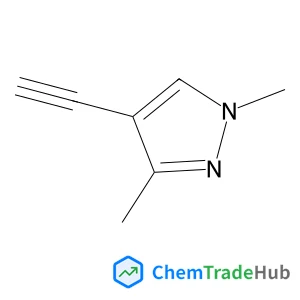
4-Ethynyl-1,3-dimethyl-1H-pyrazole
CAS Number: 61514-53-2
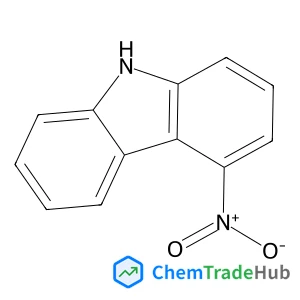
1-Nitro-9H-carbazole
CAS Number: 57905-76-7
Other Suppliers for Tris(4-(bromomethyl)phenyl)amine


Basic Information
Molecular Formula
C21H18NBr3
Molecular Weight
524.09 g/mol
Chemical Identifiers
SMILES
BrCc1ccc(cc1)N(c1ccc(cc1)CBr)c1ccc(cc1)CBr
InChIKey
WZHJOELUFMNZRF-UHFFFAOYSA-N
FAQ
Tris(4-(bromomethyl)phenyl)amine (CAS: 100693-36-5) falls under the scope of the REACH regulation in the European Union, which requires registration of substances above one tonne per year. It is also classified under the Globally Harmonized System of Classification and Labelling of Chemicals (GHS) as a skin and eye irritant. In the United States, it is regulated by the EPA and may require reporting under the Toxic Substances Control Act (TSCA).
Yes, there are alternatives to Tris(4-(bromomethyl)phenyl)amine in synthesis, such as tris(4-hydroxymethyl)phenyl)amine and tris(4-chloromethyl)phenyl)amine. These alternatives can offer similar functionalities but with different reactivity and stability profiles. Additionally, other amine derivatives or functional groups can be used as substitutes depending on the specific requirements of the synthesis.
Tris(4-(bromomethyl)phenyl)amine (CAS: 100693-36-5) has seen increasing interest in research due to its unique chemical properties, particularly in the field of organic synthesis and materials science. There is a growing trend towards exploring its applications in the development of new materials and pharmaceuticals. Market demand is driven by its use as a key intermediate in the production of various organic compounds.
Waste containing Tris(4-(bromomethyl)phenyl)amine (CAS: 100693-36-5) should be collected in appropriate containers and stored in a well-ventilated area. It should be disposed of by incineration or through a professional hazardous waste disposal service. Environmental protection measures include the monitoring of emissions and the use of protective equipment during handling to prevent exposure. Compliance with local regulations and guidelines is essential for safe waste disposal.
Safety Notice
Please verify product specifications and safety data before use. Contact the supplier for detailed safety information.
Always follow proper handling procedures
Contact Information
jacschem@163.com