



AD
9-Aminophenanthrene(CAS: 947-73-9)
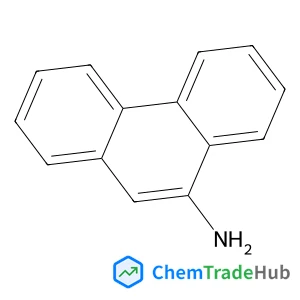
CAS Number
Related Products
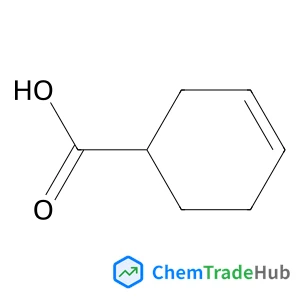
(1S)-3-Cyclohexene-1-carboxylic acid
CAS Number: 5708-19-0
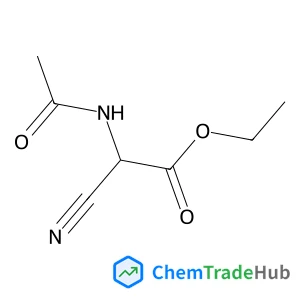
Ethyl Acetamidocyanoacetate
CAS Number: 4977-62-2
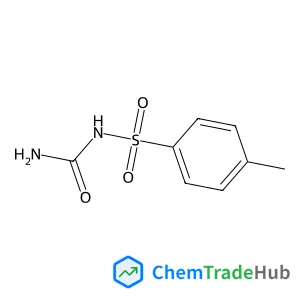
N-Carbamoyl-4-methylbenzenesulfonamide
CAS Number: 1694-06-0
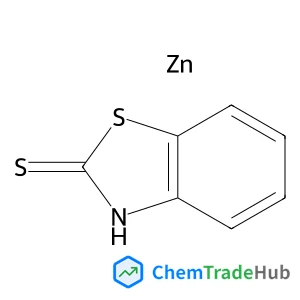
Zinc bis(1,3-benzothiazole-2-thiolate)
CAS Number: 155-04-4
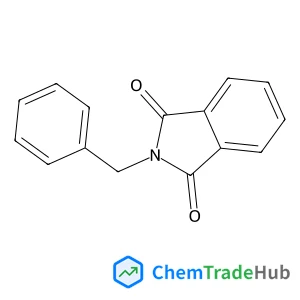
2-Benzyl-1H-isoindole-1,3(2H)-dione
CAS Number: 2142-01-0
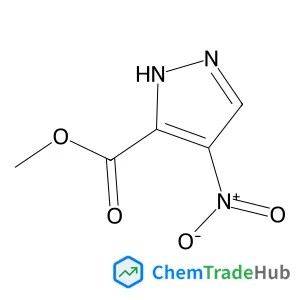
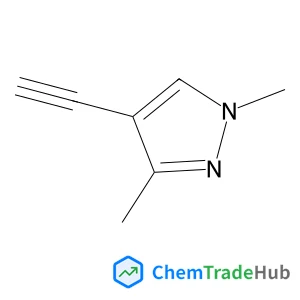
4-Ethynyl-1,3-dimethyl-1H-pyrazole
CAS Number: 61514-53-2
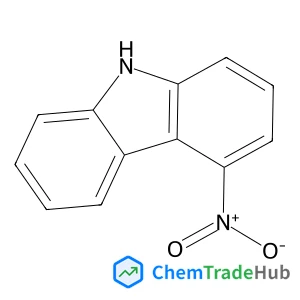
1-Nitro-9H-carbazole
CAS Number: 57905-76-7
Other Suppliers for 9-Aminophenanthrene






Basic Information
Molecular Formula
C14H11N
Molecular Weight
193.25 g/mol
Physical Properties
Melting Point
137-139 °C (lit.)
Boiling Point
319.47°C (rough estimate)
Density
1.1061 (rough estimate)
Flash Point
224.4±15.4 °C
Water Solubility
It is slightly soluble in water 0.00581 mg/mL.
Chemical Identifiers
SMILES
C1=CC=C2C(=C1)C=C(C3=CC=CC=C23)N
InChIKey
KIHQWOBUUIPWAN-UHFFFAOYSA-N
Database References
MDL Number
MFCD00001177
FAQ
9-Aminophenanthrene (CAS: 947-73-9) is classified under the Globally Harmonized System of Classification and Labelling of Chemicals (GHS) as a toxic substance. It falls under the European Union's REACH regulations, which require manufacturers and importers to register substances with the European Chemicals Agency (ECHA). Additionally, it is regulated by the U.S. Food and Drug Administration (FDA) and the Environmental Protection Agency (EPA) for safety and environmental protection.
There are alternative aminophenanthrene derivatives that can be used in synthesis, such as 10-aminophenanthrene and 8-aminophenanthrene, which offer similar functional groups but with different chemical properties. These alternatives can be chosen based on the specific requirements of the synthesis and the desired end-product characteristics.
The market for 9-Aminophenanthrene (CAS: 947-73-9) is primarily driven by its use in the production of dyes and pigments, as well as in research for molecular spectroscopy. Recent research trends include its application in organic photovoltaics and as a fluorescent probe in biological assays. The market is experiencing steady growth due to increasing demand in the pharmaceutical and chemical industries.
Waste containing 9-Aminophenanthrene (CAS: 947-73-9) should be collected and stored in appropriate containers lined with chemical-resistant materials. It should be disposed of through professional waste disposal services that comply with local and international environmental regulations. Incineration is a common method, but it must be conducted in a manner that ensures complete combustion to prevent environmental contamination. Environmental protection measures include monitoring air and water quality post-disposal to ensure compliance with regulatory standards.
Safety Notice
Please verify product specifications and safety data before use. Contact the supplier for detailed safety information.
Always follow proper handling procedures
Contact Information
jacschem@163.com