



AD
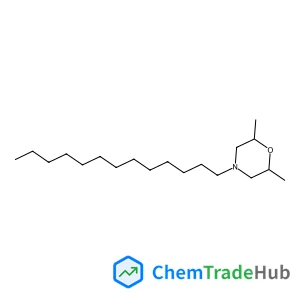
2,6-Dimethyl-4-tridecylmorpholine(CAS: 24602-86-6)
CAS Number
Related Products
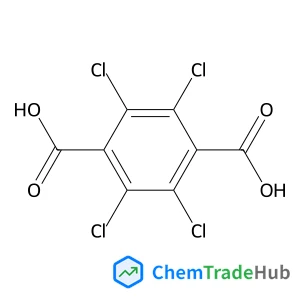
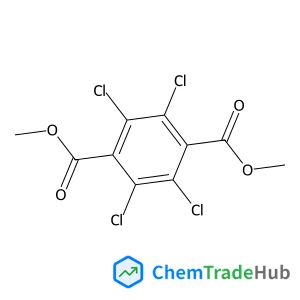
2,3,5,6-Tetrachloroterephthalic acid
CAS Number: 2136-79-0
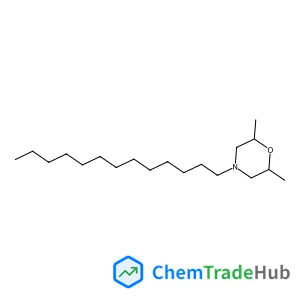
Tridemorph
CAS Number: 81412-43-3
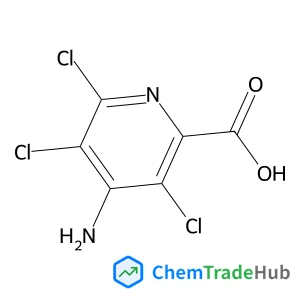
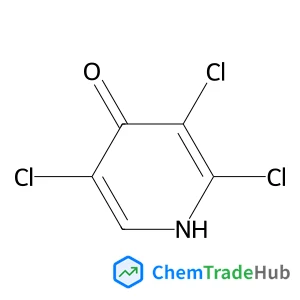
2,3,5-Trichloro-4-pyridinol
CAS Number: 1970-40-7
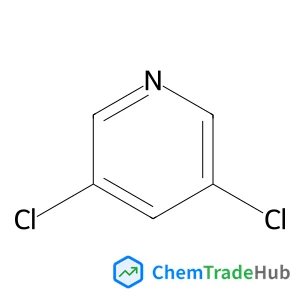
3,5-Dichloropyridine
CAS Number: 2457-47-8
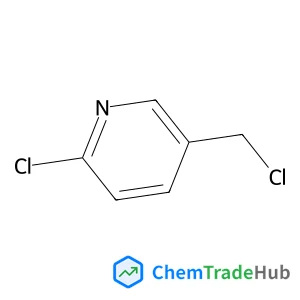
2-Chloro-5-(chloromethyl)pyridine
CAS Number: 70258-18-3
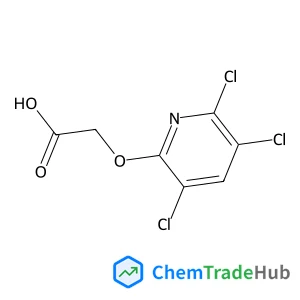
Triclopyr
CAS Number: 55335-06-3
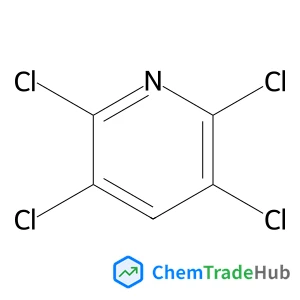
2,3,5,6-Tetrachloropyridine
CAS Number: 2402-79-1
Other Suppliers for 2,6-Dimethyl-4-tridecylmorpholine




Basic Information
Molecular Formula
C19H39NO
Molecular Weight
297.53 g/mol
Physical Properties
Melting Point
<25°C
Boiling Point
bp0.7 130-133°; bp1.3 139-142°
Flash Point
109.5 °C
Chemical Identifiers
SMILES
CCCCCCCCCCCCCN1CC(OC(C1)C)C
InChIKey
YTOPFCCWCSOHFV-UHFFFAOYSA-N
Database References
MDL Number
MFCD00055522
FAQ
2,6-Dimethyl-4-tridecylmorpholine (CAS: 24602-86-6) is a crystalline compound with a molecular weight of approximately 346.47 g/mol. It has a low solubility in water but is more soluble in organic solvents like ethanol and acetone. The compound is moderately reactive, particularly towards acidic and basic conditions. It is stable under normal laboratory conditions but should be stored away from strong oxidizers and reducing agents.
2,6-Dimethyl-4-tridecylmorpholine is commonly synthesized via a multistep process involving alkylation of morpholine followed by methylation. The synthesis typically requires the use of phase transfer catalysts and is carried out in an organic solvent like toluene. The overall yield is around 70-80%, with high selectivity towards the desired product.
2,6-Dimethyl-4-tridecylmorpholine (CAS: 24602-86-6) is primarily used in the pharmaceutical industry as a precursor for drug synthesis. It is also utilized in the polymer industry for the production of advanced materials and in the sensor industry for its potential as a gas sensor component. Additionally, it has some applications in the semiconductor industry, although these are less common.
When handling 2,6-Dimethyl-4-tridecylmorpholine (CAS: 24602-86-6), it is essential to wear appropriate personal protective equipment (PPE) such as gloves, goggles, and a lab coat. Work should be conducted in a well-ventilated area or under a chemical fume hood. In case of spillage, neutralize the compound with a suitable chemical and dispose of according to local regulations. Always consult the Safety Data Sheet (SDS) for detailed handling and disposal instructions.
Safety Notice
Please verify product specifications and safety data before use. Contact the supplier for detailed safety information.
Always follow proper handling procedures
Contact Information
Contact Person
Dai Feng