



AD
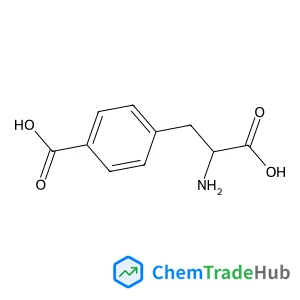
4-Carboxyphenylalanine(CAS: 22976-70-1)
CAS Number
Related Products
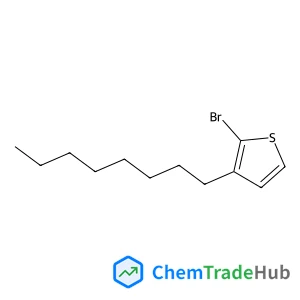
2-Bromo-3-octylthiophene
CAS Number: 145543-83-5
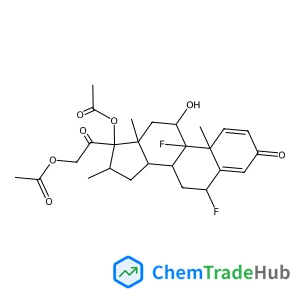
Diflorasone diacetate
CAS Number: 33564-31-7
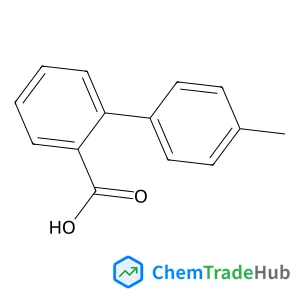
4'-Methyl-2-biphenylcarboxylic acid
CAS Number: 7148-03-0
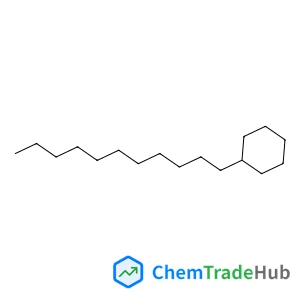
Undecylcyclohexane
CAS Number: 54105-66-7
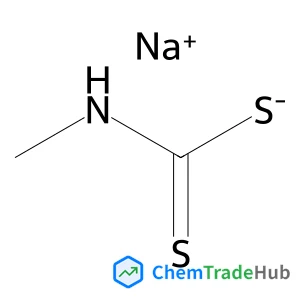
Metam Sodium
CAS Number: 137-42-8
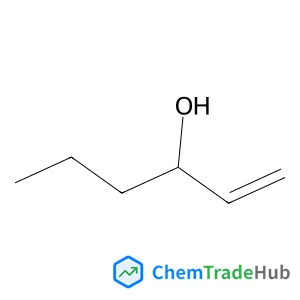
1-Hexen-3-ol
CAS Number: 4798-44-1
![(2S)-Amino[(5S)-3-chloro-4,5-dihydro-1,2-oxazol-5-yl]acetic acid](https://static.chemtradehub.com/structs/422/42228-92-2-8448.webp)
Other Suppliers for 4-Carboxyphenylalanine






Basic Information
Molecular Formula
C10H11NO4
Molecular Weight
209.2 g/mol
Chemical Identifiers
SMILES
C1=CC(=CC=C1CC(C(=O)O)N)C(=O)O
InChIKey
YXDGRBPZVQPESQ-UHFFFAOYSA-N
Database References
MDL Number
MFCD00214822
FAQ
4-Carboxyphenylalanine is a white crystalline solid with a molecular weight of approximately 207.15 g/mol. It has limited solubility in water (1.36 g/L at 25°C) and moderate solubility in organic solvents. The compound is moderately reactive, particularly with bases, and can undergo hydrolysis and deamination under basic conditions. It is stable under normal storage conditions but should be protected from moisture and light.
4-Carboxyphenylalanine can be synthesized via the condensation reaction of 4-carboxybenzaldehyde and phenylalanine in the presence of an acid catalyst. Alternatively, it can be produced by the deamination of 4-carboxyphenylalanine methyl ester hydrochloride. The synthetic route typically involves high yield and good selectivity, making it a feasible method for industrial-scale production.
4-Carboxyphenylalanine is primarily used in the pharmaceutical industry for the development of novel drugs and as an intermediate in the synthesis of other compounds. It also finds applications in the polymer industry as a monomer for the synthesis of biodegradable polymers. Additionally, it is utilized in the production of sensors for detecting various biological and chemical agents, and in semiconductor technology for use in organic photovoltaic materials.
Proper personal protective equipment (PPE) such as gloves, goggles, and a laboratory coat should be worn when handling 4-Carboxyphenylalanine. It should be stored in a cool, dry place away from moisture and light. In case of spill, the area should be cleaned up with caution, and proper disposal procedures should be followed as described in the safety data sheet (SDS). Fume hoods should be used during laboratory procedures to minimize inhalation risks.
Safety Notice
Please verify product specifications and safety data before use. Contact the supplier for detailed safety information.
Always follow proper handling procedures
Contact Information
Contact Person
Jiang Kun
1273554466@qq.com