



AD
Sodium 2-isopropylbenzenesulfonate(CAS: 32073-22-6)
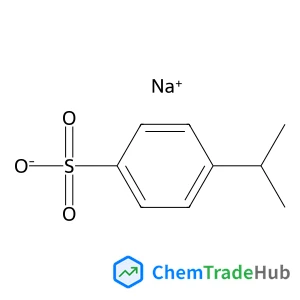
CAS Number
Related Products
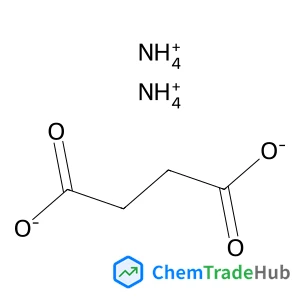
Ammonium succinate
CAS Number: 2226-88-2
![[2,2'-Biquinoline]-4,4'-dicarboxylic acid, disodium salt](https://static.chemtradehub.com/structs/979/979-88-4-02bd.webp)
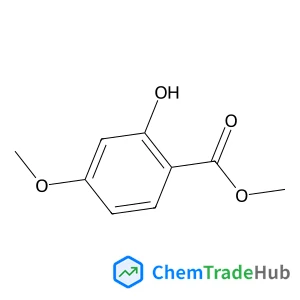
Methyl 2-hydroxy-4-methoxybenzoate
CAS Number: 5446-02-6
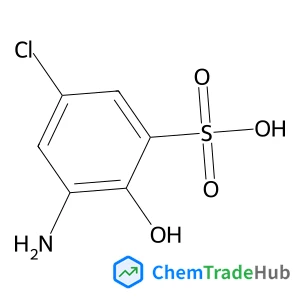
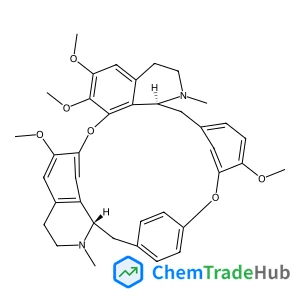

1,1,1-trifluoro-2-iodoethane
CAS Number: 353-83-3
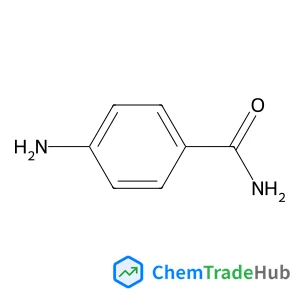
4-Aminobenzamide
CAS Number: 2835-68-9
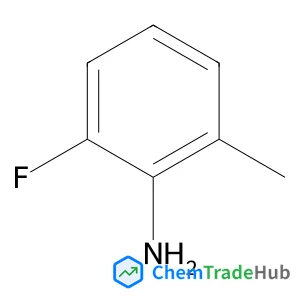
2-Fluoro-6-methylaniline
CAS Number: 443-89-0
Other Suppliers for Sodium 2-isopropylbenzenesulfonate





Basic Information
Molecular Formula
C9H11NaO3S
Molecular Weight
222.24 g/mol
Chemical Identifiers
SMILES
CC(C)C1=CC=C(C=C1)S(=O)(=O)[O-].[Na+]
InChIKey
GIPRGFRQMWSHAK-UHFFFAOYSA-M
Database References
FAQ
Sodium 2-isopropylbenzenesulfonate (CAS: 32073-22-6) must comply with the Globally Harmonized System of Classification and Labeling of Chemicals (GHS) for hazardous chemicals. In the European Union, it falls under the Registration, Evaluation, Authorisation and Restriction of Chemicals (REACH) regulation. The U.S. Food and Drug Administration (FDA) and Environmental Protection Agency (EPA) have specific guidelines for the manufacture, use, and disposal of this compound, ensuring it meets safety and environmental standards.
Alternatives to Sodium 2-isopropylbenzenesulfonate (CAS: 32073-22-6) include other sulfonating agents such as benzenesulfonic acid or toluenesulfonic acid. Isomers or analogs like Sodium benzenesulfonate or Sodium 4-isopropylbenzenesulfonate can also be considered as substitutes, depending on the specific reaction conditions and the desired product properties.
The market for Sodium 2-isopropylbenzenesulfonate (CAS: 32073-22-6) is driven by its use as a sulfonating agent in chemical synthesis. Research trends indicate a focus on sustainable and eco-friendly alternatives, with an increasing demand for biodegradable compounds. Additionally, there is growing interest in its application in pharmaceutical and polymer synthesis, where its unique properties can offer advantages over traditional reagents.
Waste containing Sodium 2-isopropylbenzenesulfonate (CAS: 32073-22-6) should be collected in suitable containers, ensuring proper labeling and storage to prevent environmental contamination. This waste should be disposed of through professional chemical waste disposal services. Incineration is a common method, but it must be conducted in accordance with local regulations to minimize harmful emissions. Additionally, neutralization methods can be used to reduce the acidity of the solution before disposal, ensuring compliance with environmental protection standards.
Safety Notice
Please verify product specifications and safety data before use. Contact the supplier for detailed safety information.
Always follow proper handling procedures

Contact Information
Contact Person
Manager Liu
xiyashiji@163.com
Mobile
13395390286
Visit Website
https://www.xiyashiji.comAddress
Linshu County Economic and Technological Development Zone Chemical Park