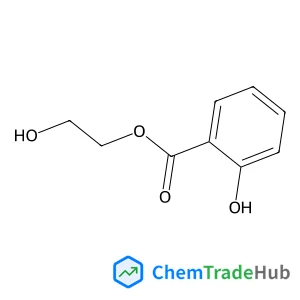
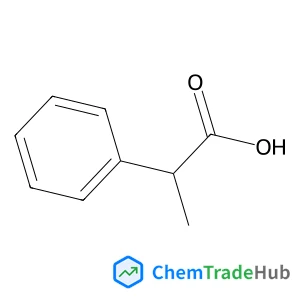
Tris(2-ethylhexyl) 4,4',4''-(1,3,5-triazine-2,4,6-triyltriimino)tribenzoate
CAS Number:
88122-99-0
Molecular Formula:
C48H66N6O6
Rasha A. Abo-Elmagd, Mervat H. Hussein, Ahmed Abdelrazak
Expression of Concern for ‘Statistical optimization of photo-induced biofabrication of silver nanoparticles using the cell extract of Oscillatoria limnetica: insight on characterization and antioxidant potentiality’ by Rasha A. Abo-Elmagd et al., RSC Adv., 2020, 10, 44232–44246, DOI: https://doi.org/10.1039/D0RA08206F.

European Journal of Organic Chemistry

Journal of Enzyme inhibition and Medicinal Chemistry

Molecules

Molecular Diversity

Foundations of Chemistry

Nature Reviews Drug Discovery

Coloration Technology

Photochemical & Photobiological Sciences

Angewandte Chemie International Edition

Physical Chemistry Chemical Physics
Paul C. Jennings, Roy L. Johnston
DOI: 10.1039/C4CP02147A
I. León, R. Montero, A. Longarte, José A. Fernández
DOI: 10.1039/C4CP03667K
Xiaoliang Liu, Chenggong Wang, Lu Lyu, Congcong Wang, Zhengguo Xiao, Cheng Bi, Jinsong Huang, Yongli Gao
DOI: 10.1039/C4CP03842H
DOI: 10.1039/C4CP04538F
Nidhi Katyal, Shashank Deep
DOI: 10.1039/C4CP02914C
DOI: 10.1039/C4CP04009K
Ziyu Hu, Shengli Zhang, Da Wang, Haibo Zeng, Li-Min Liu
DOI: 10.1039/C4CP04775C
Arun Nanduri, Ofer M. Shir, Ashley Donovan, Tak-San Ho, Herschel Rabitz
DOI: 10.1039/C4CP03853C
Zoe Watson, Shahar Keinan
DOI: 10.1039/C4CP04043K
Ethyl 3-cyclohexylpropanoate is a clear, colorless to light yellow liquid with a...
Waste containing 2-(Hydroxymethyl)-5-(methoxycarbonyl)-6-methyl-4-(2-nitrophenyl...
Waste containing 2,4,6-Tris(pentafluoroethyl)-1,3,5-triazine (CAS: 858-46-8) sho...
When handling Chloroac-nle-oh (CAS: 56787-36-1), it is essential to wear appropr...
Ethyl 6-phenylimidazo[2,1-b][1,3]thiazole-3-carboxylate is primarily used in the...
Alternatives to alpha-(2-Bromophenyl)benzylamine (CAS: 55095-15-3) in synthesis ...
Waste containing 2-Chloro-5-methoxypyridine (CAS: 139585-48-1) should be managed...
1-(4-Methoxyphenyl)-2,5-dimethyl-1H-pyrrole (CAS: 5044-27-9) is used in various ...
There are alternative reagents and compounds that can be used in the synthesis o...
Tungsten(IV) oxide, also known as tungsten dioxide, is a chemical compound with ...
Chemistry fascinates us. This discipline is integral to life and impacts so many aspects of our world. The scope for RSC Advances is wide-ranging because we want to capture any research that can offer crucial insights and advance chemistry. RSC Advances papers should provide an insight that advances the chemistry field. Papers that contain little or no chemistry and are not considered to be of interest or relevance to the chemistry community are not within the scope of the journal. The criteria for publication are that the work must be high quality, well conducted and advance the development of the field. Articles submitted to the journal are evaluated by our international team of associate editors and reviewers for the overall quality and accuracy of the science presented. Download our full list of subject categories to see the range of topics we publish in RSC Advances. Please ensure you have considered the following points before submitting your manuscript. Does the work present an advance over the existing literature? Please supply a covering letter with your submission to demonstrate how the work is advancing the field over the existing literature Have you provided sufficient evidence/data to support your conclusions? Have you provided adequate characterisation data for your materials/compounds? (Please check the supporting information section to ensure that the necessary requirements have been met and copies of relevant spectra have been provided where necessary) Are the results discussed in the context of the literature? Are the references relevant and do they appropriately reflect the existing literature?