













Tris(2-ethylhexyl) 4,4',4''-(1,3,5-triazine-2,4,6-triyltriimino)tribenzoate
CAS Number:
88122-99-0
Molecular Formula:
C48H66N6O6
Zhu Zhu, Ying Xu, Yiwen Guo, Ruijie Liu, Ming Chang, Xingguo Wang
Minor constituents exhibit certain antioxidant interactions in vitro, and the effects in different media are different. However, it is not clear whether there are antioxidant interactions in cells after digestion and absorption. We utilized the cellular antioxidant evaluation model in HepG2 cells to study the antioxidant interaction between α-tocopherol and γ-oryzanol, and the interaction mechanism of a binary mixture was also illustrated. A cellular antioxidant assay (CAA) model and a combined index (CI) method were firstly used to explore the antioxidant activity and interaction of the binary mixture in HepG2 cells. The CAA value was positively correlated with the single addition concentration, while the results displayed a biphasic tendency with increasing concentrations of the binary mixture. The combination of TO11 (1 μg mL−1 α-tocopherol and 10 μg mL−1 γ-oryzanol) showed the greatest antioxidant activity and synergistic effect, and the maximum CAA value reached up to 94.84 ± 4.2. Then the mechanism of the synergistic antioxidant effect of the binary mixture was explained from three aspects including cellular uptake, intracellular reactive oxygen species (ROS) level and endogenous enzyme activity. The results demonstrated that the antioxidant interaction of the binary mixture in cells was related to cellular uptake of minor constituents, and the combination of TO11 exerted a synergistic effect by scavenging ROS and up-regulating glutathione peroxidase (GSH-Px) activity, resulting in the strongest cellular antioxidant activity. This study throws light on the nature of antioxidant interaction between minor constituents, which may contribute to the development of related functional foods and rational dietary collocation.
DOI: 10.1039/C5CP03331D
Andranik Kazaryan, Rutger van Santen, Evert Jan Baerends
DOI: 10.1039/C5CP01812A
C. Y. Ma, S. Dong, P. X. Zhou, Z. Z. Du, M. F. Liu, H. M. Liu, Z. B. Yan
DOI: 10.1039/C5CP02501J
Harshal P. Mungse, Raghuvir Singh, Hiroyuki Sugimura, N. Kumar, Om P. Khatri
DOI: 10.1039/C5CP02313K
Sabyasachi Sen, Derrick C. Kaseman, Bruno Colas, Dorrit E. Jacob, Simon M. Clark
DOI: 10.1039/C6CP02729F
Bolong Huang, Jianfu Li, Zhenyi Jiang, Bo Wang, Zhigang Wang, Rui-Qin Zhang
DOI: 10.1039/C5CP02598B
Dong-Kwan Kim, Yoon Jo Hwang, Cheolho Yoon, Hye-On Yoon, Ki Soo Chang, Gi-Ra Yi
DOI: 10.1039/C5CP02968F
Zanele P. Nhlabatsi, Priya Bhasi, Sanyasi Sitha
DOI: 10.1039/C5CP07124K
Aditi Bhattacherjee, Sanjay Wategaonkar
DOI: 10.1039/C5CP02422F
Stefan Fischer
DOI: 10.1039/C6CP01364C
Ethyl 3-cyclohexylpropanoate is a clear, colorless to light yellow liquid with a...
Waste containing 2-(Hydroxymethyl)-5-(methoxycarbonyl)-6-methyl-4-(2-nitrophenyl...
Waste containing 2,4,6-Tris(pentafluoroethyl)-1,3,5-triazine (CAS: 858-46-8) sho...
When handling Chloroac-nle-oh (CAS: 56787-36-1), it is essential to wear appropr...
Ethyl 6-phenylimidazo[2,1-b][1,3]thiazole-3-carboxylate is primarily used in the...
Alternatives to alpha-(2-Bromophenyl)benzylamine (CAS: 55095-15-3) in synthesis ...
Waste containing 2-Chloro-5-methoxypyridine (CAS: 139585-48-1) should be managed...
1-(4-Methoxyphenyl)-2,5-dimethyl-1H-pyrrole (CAS: 5044-27-9) is used in various ...
There are alternative reagents and compounds that can be used in the synthesis o...
Tungsten(IV) oxide, also known as tungsten dioxide, is a chemical compound with ...
Food & Function provides a unique venue for physicists, chemists, biochemists, nutritionists and other food scientists to publish novel, cutting-edge, original research focussing on food, its nutrients and their relation to human health and nutrition. We welcome research describing the: Physical properties and structure of food and how this relates to sensory perception and human health Biochemical and physiological actions of food components Interactions between foods, gut microbiota and human physiology Nutritional and biological evaluation of food Clinical and population studies using food or food components Development of biomarkers of food intake and effects on human health We also welcome systematic reviews and meta-analyses of existing studies in the literature, provided these are objective and scientifically valid Food in this context is defined as materials of plant, animal or mineral origin, which are consumed orally (by humans) for pleasure and to sustain growth and vital processes. Examples of research topics that are of interest to be published in Food & Function are: Chemistry and physics of food components and digestion processes Relationship between the physical properties/structure of food and nutrition and human health - for example, impact of food matrix or processing on nutrient release and uptake Molecular properties and physiological effects of food components (nutrients, fibres, essential micronutrients, phytochemicals, bioactives, food substitutes, novel ingredients, allergens, flavours and fragrances) Nutritional and health effects of food including bioavailability and metabolism assessment of food components (nutrients, micronutrients and other microconstituents) Efficacy and mechanisms of food constituents in the body - including biomarkers of intakes, exposure and effects Impacts of foods/food components on gut microorganisms and human physiology - For example impact of fermented foods Role of nutrition and diet in human disease prevention and development Cellular and molecular effects/mechanisms of food/food components image block The following types of research are not within the scope of Food & Function: Research relating to traditional herbal medicines, medicinal plants or active compounds extracted from such plants (materials that are primarily consumed as medicine, i.e. the intended purpose is primarily to treat, cure or prevent a non-deficiency disease) or relating to foods not recognised as human diet contributors Animal nutrition research that is not primarily designed as a model to benefit human nutrition (for example, studies of growth/accretion, heat stress, weaning, ruminant digestion, meat quality, etc.) Treatments administered by non-oral routes such as injection (subcutaneous, intramuscular, intraperitoneal, etc.), dermal/transdermal, rectal, inhalation, nasal, etc. Exceptions are when such routes of administration are used for mechanistic/control purposes in the experimental design Pharmacological/pharmaceutical approaches: Encapsulation, emulsification and/or pure controlled release of compounds or bioactives that do not come directly from edible foods, such as dietary supplements - these are better suited to a pharmaceutical journal In vitro or in vivo studies with poorly defined (insufficiently characterised) extracts and studies without appropriate controls will not be considered Cells studies not considering the metabolism of food components ingested – for example, irrelevant exposure of cells to compounds not present in the body after absorption Manuscripts with only a fully theoretical/bioinformatic approach and without appropriate support from analytical evidence will not be considered for publication Studies focussing solely on food engineering, preservation and sustainable technologies – these can be published in our companion journal Sustainable Food Technology Pure food analysis - these can be published in Analytical Methods

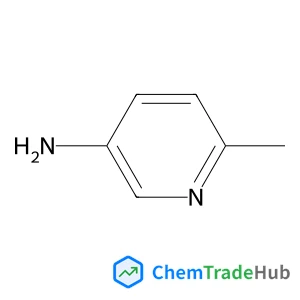
![1-(Hexopyranosyloxy)-4a,5-dihydroxy-7-methyl-1,4a,5,6,7,7a-hexahydrocyclopenta[c]pyran-7-yl 3-phenylacrylate structure](https://static.chemtradehub.com/structs/192/19210-12-9-ecae.webp "1-(Hexopyranosyloxy)-4a,5-dihydroxy-7-methyl-1,4a,5,6,7,7a-hexahydrocyclopenta[c]pyran-7-yl 3-phenylacrylate structure")




