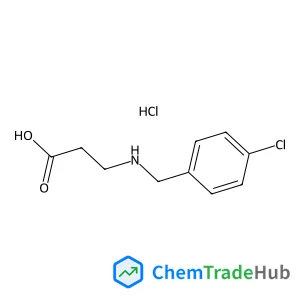
N-(4-Chlorobenzyl)-beta-alanine hydrochloride (1:1)
CAS Number:
1172479-10-5
Molecular Formula:
C10H13Cl2NO2
Kaiyun Zhan, Wenjing Fang, Zhiming Pan, Guilei Teng, Haixia Zheng, Li Zhao, Bing Liu
Occurrence and flow of hydrocarbons in nanopores are two important issues in the effective exploitation of shale oil reservoirs. In this study, molecular dynamics simulations are employed to investigate the mechanisms about occurrence and flow of octane in slit-shaped quartz nanopores. We show that the occurrence state of octane and, therefore, its flow behavior are profoundly affected by the potential field from quartz walls and adsorption layers if the nanopore width w becomes less than 50 Å. Two main adsorption layers are always formed, adjacent to the walls and independent of w, due to two potential wells generated by the attractive potentials of the walls. Each pair of symmetrical adsorption layers, each of which can be considered as a solid-like surface, forms a confined environment similar to a nano-slit. The attractive potentials from them are found to be the cause for the formation of the adsorption layers between them. The obvious bulk phase of octane is formed in the pore of w = 50 Å due to the wide zero potential barrier induced by the innermost two adsorption layers. The nonlinear dependence of flow rate on pressure gradient shows that Darcy's law fails to describe the flow in the nanopore. The non-Darcy behavior mainly arises from adsorption effects from the walls and the adsorption layers, slippage between octane and walls and between adjacent two adsorption layers, and the molecular exchange between adsorption layers. A modified microscopic model is established to predict the dependence of flow rate on potential field, pressure gradient and w, which is in a good agreement with our simulation results and verified by the dodecane flow through the nanopore. Our work can be of great importance for revealing the mechanisms of occurrence and transport and guiding the estimation and exploitation of shale oil resources.
Takashi Nakahata, Shigefumi Kuwahara
DOI: 10.1039/B416309E
Sara E. Edison, Richard P. Hotz, Michael J. Baldwin
DOI: 10.1039/B403668A
Luca Bernardi, Karl Anker Jørgensen
DOI: 10.1039/B415568H
Rex A. Corbin, Brandon E. Dusick, Khamphee Phomphrai, Phillip E. Fanwick, Ian P. Rothwell
DOI: 10.1039/B416536E
D. Jonathan Bennett, Paula L. Pickering, Nigel S. Simpkins
DOI: 10.1039/B403193H
Olga Taran, Anatoly K. Yatsimirsky
DOI: 10.1039/B402432J
Fengjun Deng, Guan-Wu Wang, Ting-Hu Zhang, Li-Juan Jiao, Shaowei Chen
DOI: 10.1039/B315665F
Luca Minati, Andrea Biffis
DOI: 10.1039/B413885F
Jonathan S. Ellis, Michael Thompson
DOI: 10.1039/B402822H
DOI: 10.1039/B305142K
Waste containing N-Methoxy-N-methyl-1,3-thiazole-5-carboxamide (CAS: 898825-89-3...
N-(4-Biphenylyl)dibenzo[b,d]furan-4-amine should be stored in a tightly sealed c...
The market for 3-Acetamido-5-amino-2,4,6-triiodobenzoic acid (CAS: 1713-07-1) is...
Benzyl 2-O-acetyl-3,4,6-tri-O-benzyl-beta-D-galactopyranoside (CAS: 61820-03-9) ...
2-Ethylpiperazine dihydrochloride (CAS: 438050-52-3) is regulated under the Glob...
1,1'-[1,3-Phenylenebis(methylene)]bis(3-methyl-1H-pyrrole-2,5-dione) (CAS: 11946...
Several alternatives can be used in the synthesis of 5-Fluoro-2-(1-pyrrolidinyl)...
Proper personal protective equipment (PPE) must be worn when handling this compo...
When handling 6-Bromoimidazo[1,2-a]pyridin-8-amine, it is important to wear appr...
Alternatives to (2S,4R)-4-(4-Nitrobenzyl)pyrrolidine-2-carboxylic acid hydrochlo...

Physical Chemistry Chemical Physics (PCCP) is an international journal co-owned by 19 physical chemistry and physics societies from around the world. This journal publishes original, cutting-edge research in physical chemistry, chemical physics and biophysical chemistry. To be suitable for publication in PCCP, articles must include significant innovation and/or insight into physical chemistry; this is the most important criterion that reviewers and Editors will judge against when evaluating submissions. The journal has a broad scope and welcomes contributions spanning experiment, theory, computation and data science. Topical coverage includes spectroscopy, dynamics, kinetics, statistical mechanics, thermodynamics, electrochemistry, catalysis, surface science, quantum mechanics, quantum computing and machine learning. Interdisciplinary research areas such as polymers and soft matter, materials, nanoscience, energy, surfaces/interfaces, and biophysical chemistry are welcomed if they demonstrate significant innovation and/or insight into physical chemistry. Joined experimental/theoretical studies are particularly appreciated when complementary and based on up-to-date approaches.
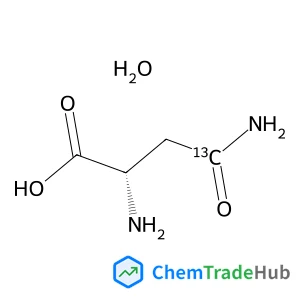
![tert-Butyl 6-chloro-4-oxospiro[chroman-2,4'-piperidine]-1'-carboxylate structure](https://static.chemtradehub.com/structs/101/1011482-37-3-88a5.webp "tert-Butyl 6-chloro-4-oxospiro[chroman-2,4'-piperidine]-1'-carboxylate structure")