


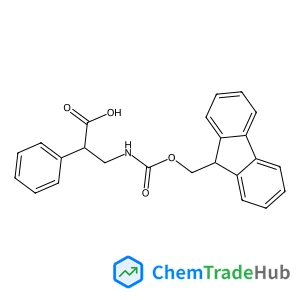
(S)-3-((((9H-Fluoren-9-yl)methoxy)carbonyl)amino)-2-phenylpropanoic acid
CAS Number:
1217663-60-9
Molecular Formula:
C24H21NO4
Wenlin Xie, Shengqing Ye
A copper(II)-catalyzed aerobic oxidative reaction of arylhydrazines, DABCO·(SO2)2 and alkenes is reported. Diverse β-hydroxysulfones are generated in moderate to good yields through the hydroxysulfonylation of alkenes with the insertion of sulfur dioxide under mild conditions. In some cases, β-ketosulfones are produced, depending on the alkenes utilized. Arylhydrazines serve as the precursors of aryl radicals under aerobic atmosphere, which initiate the reaction. During the reaction process, aryl radicals react with sulfur dioxide leading to arylsulfonyl radicals, which subsequently undergo the hydroxysulfonylation of alkenes with oxygen to provide β-hydroxysulfones and related compounds.

Bioorganic & Medicinal Chemistry Letters

Cellulose

Journal of Asian Natural Products Research

Critical Reviews in Solid State and Materials Sciences

Topics in Catalysis

Chinese Journal of Chemistry

Bioorganic & Medicinal Chemistry

Medicinal Chemistry Research

Acta Metallurgica Sinica-English Letters

Herald of the Russian Academy of Sciences
Jie Liu, Dan Ding, Junlong Geng, Bin Liu
DOI: 10.1039/C2PY20113E
Maribel Hernández-Guerrero, Martina H. Stenzel
DOI: 10.1039/C1PY00219H
Samir Beghdadi, Daniele Addis, Hatem Ben Romdhane, Julien Bernard, Eric Drockenmuller
DOI: 10.1039/C1PY00446H
Jin Han, Bo Zhao, Aijin Tang, Yanqin Gao, Chao Gao
DOI: 10.1039/C1PY00367D
DOI: 10.1039/C2PY20014G
Yukiya Kitayama, Mika Yorizane, Hideto Minami
DOI: 10.1039/C2PY20120H
Maxwell J. Robb, Luke A. Connal, Bongjae F. Lee, Nathaniel A. Lynd
DOI: 10.1039/C2PY20131C
Ozcan Altintas, Peter Gerstel
DOI: 10.1039/C1PY00392E
When considering alternatives to 1-(4-Chlorophenyl)-N-hydroxymethanimine (CAS: 3...
This compound should be stored in a cool, dry place away from direct sunlight. I...
3-(4-Bromophenyl)-5-(2-fluorophenyl)-1,2,4-oxadiazole is synthesized through a m...
5-Chloro-2-(4-chlorophenyl)-4-methyl-6-[3-(1-piperidinyl)propoxy]pyrimidine (CAS...
2-Chloro-4-(difluoromethoxy)pyridine is used in the pharmaceutical industry for ...
3-Chloro-6-methylpyridazine (CAS: 1121-79-5) is classified under the Globally Ha...
Several alternatives can be used in the synthesis of Methyl 4,5-dimethyl-2-nitro...
Alternatives to (2E,2'E)-3,3'-(1,4-Phenylene)bisacrylaldehyde include other acry...
3-Amino-5-chloropyridin-2-ol hydrochloride is an organic compound with the CAS n...
When handling 6,7-Difluoro-2,3-dihydro-4H-chromen-4-one, it is essential to wear...

Organic Chemistry Frontiers publishes high-quality research from across organic chemistry. Emphases are placed on studies that make significant contributions to the field of organic chemistry by reporting either new or significantly improved protocols or methodologies. Topics include, but are not limited to the following: Organic synthesis Development of synthetic methodologies Catalysis Natural products Functional organic materials Supramolecular and macromolecular chemistry Physical and computational organic chemistry
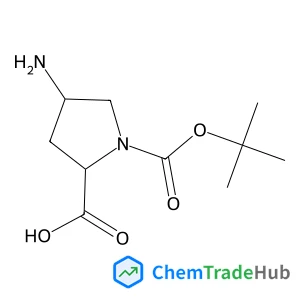
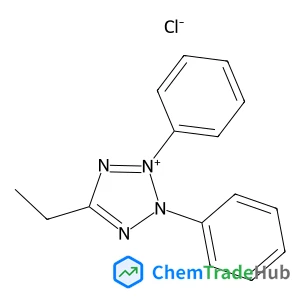
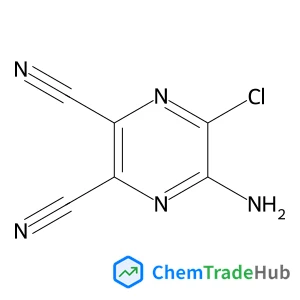
![2-{[(1R,2S)-2-Aminocyclohexyl]amino}-4-{[3-(2H-1,2,3-triazol-2-yl)phenyl]amino}-5-pyrimidinecarboxamide structure](https://static.chemtradehub.com/structs/137/1370261-96-3-40df.webp "2-{[(1R,2S)-2-Aminocyclohexyl]amino}-4-{[3-(2H-1,2,3-triazol-2-yl)phenyl]amino}-5-pyrimidinecarboxamide structure")





