












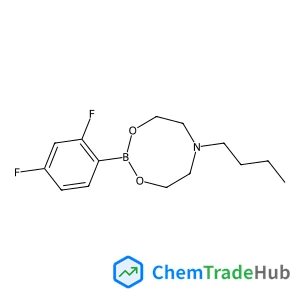
6-Butyl-2-(2,4-difluorophenyl)-1,3,6,2-dioxazaborocane
CAS Number:
1190988-98-7
Molecular Formula:
C14H20BF2NO2
Shihao Ding, Chao Jin, Ziwei Fan, Peng Li, Haili Bai
Gd/C granular films with 11% Gd were fabricated by facing-target magnetron sputtering at room temperature and then annealed at 300–650 °C for 1.5 h. A magnetoresistance of −82% was obtained in the Gd/C films annealed at 650 °C at 3 K under a magnetic field of 50 kOe. A sign change of the magnetoresistance from negative to positive and then back to negative was observed in all samples as the temperature decreases. Grain boundary scattering effects, wave-function-shrinkage, cotunneling and Gd–Gd interactions account for the mechanisms of the magnetoresistance effects in different temperature regions. The sign of the magnetoresistance also varies as the magnetic field increases. At the transition temperature of 25 K, the wave-function-shrinkage effect competes with cotunneling and Gd–Gd interactions at different magnetic fields. The competition between the wave-function-shrinkage effect and the grain boundary scattering effect is approximately at the transition temperature of 100 K. The temperature range of positive magnetoresistance expands and transition temperatures are changed as the annealing temperature increases. It is related to the expansion of the temperature region for the wave-function-shrinkage effect which occurs in the Mott variable range hopping conduction mechanism.
Ping Zhou, Maryam Nazari Haghighi Pashaki, Hans-Martin Frey, Andreas Hauser, Silvio Decurtins, Andrea Cannizzo, Thomas Feurer, Robert Häner, Shi-Xia Liu
DOI: 10.1039/D3SC03184E
Weiqing Xu, Yu Wu, Wenling Gu, Dan Du, Yuehe Lin, Chengzhou Zhu
DOI: 10.1039/D3CS00767G
Xin He, Kai Zhang, Zhiqiang Zhu, Zhangfa Tong
DOI: 10.1039/D3CS00495C
Youzhi Xu, Max von Delius
DOI: 10.1039/D2CS00937D
Ying Zhang, Jimin Yang, Yu-Long Ruan, Ling Liao, Chuang Ma
DOI: 10.1039/D3SC04474B
Waste containing 6-Chloro-5-(2'-hydroxy-3'-methoxy-4-biphenylyl)-3-(3-methoxyphe...
(3alpha,5alpha)-3-Hydroxypregnane-11,20-dione is primarily used in the pharmaceu...
The market for 4-Amino-6-chloro-2-pyridinecarboxylic acid (CAS: 546141-56-4) is ...
Alternatives to (2-Benzoylethyl)trimethylammonium chloride (CAS: 24472-88-6) in ...
N-[4-Nitro-3-(trifluoromethyl)phenyl]acetamide (CAS: 393-12-4) is generally safe...
Alternative reagents such as other phosphates or similar functional groups can b...
There are alternatives to N,N'-Bis(3-aminopropyl)-1,3-propanediamine (CAS: 4605-...
When handling Aluminium trihexadecanoate, it is important to use appropriate per...
(1,1-Dioxido-3-oxo-1,2-benzothiazol-2(3H)-yl)acetic acid is a chemical compound ...
Several alternatives to 5,5-dimethyloxolan-2-one (CAS: 3123-97-5) can be used in...

Physical Chemistry Chemical Physics (PCCP) is an international journal co-owned by 19 physical chemistry and physics societies from around the world. This journal publishes original, cutting-edge research in physical chemistry, chemical physics and biophysical chemistry. To be suitable for publication in PCCP, articles must include significant innovation and/or insight into physical chemistry; this is the most important criterion that reviewers and Editors will judge against when evaluating submissions. The journal has a broad scope and welcomes contributions spanning experiment, theory, computation and data science. Topical coverage includes spectroscopy, dynamics, kinetics, statistical mechanics, thermodynamics, electrochemistry, catalysis, surface science, quantum mechanics, quantum computing and machine learning. Interdisciplinary research areas such as polymers and soft matter, materials, nanoscience, energy, surfaces/interfaces, and biophysical chemistry are welcomed if they demonstrate significant innovation and/or insight into physical chemistry. Joined experimental/theoretical studies are particularly appreciated when complementary and based on up-to-date approaches.
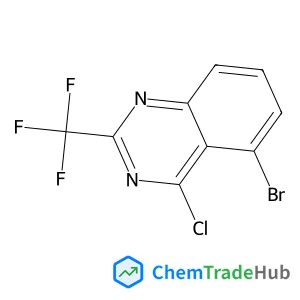
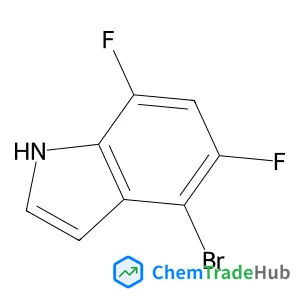
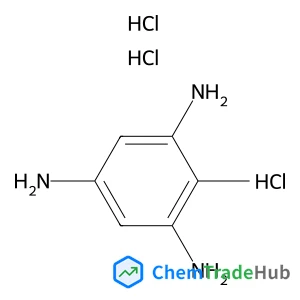
![Benzo[b]naphtho[2,1-d]thiophene structure](https://static.chemtradehub.com/structs/239/239-35-0-ff90.webp "Benzo[b]naphtho[2,1-d]thiophene structure")





