(2R)-2-(3-Bromophenyl)pyrrolidine hydrochloride (1:1)
CAS Number:
1391550-13-2
Molecular Formula:
C10H13BrClN
V. D. Gordon, T. J. O'Halloran, O. Shindell
Membrane adhesion is essential to many vital biological processes. Sites of membrane adhesion are often associated with heterogeneities in the lipid and protein composition of the membrane. These heterogeneities are thought to play functional roles by facilitating interactions between proteins. However, the causal links between membrane adhesion and membrane heterogeneities are not known. Here we survey the state of the field and indicate what we think are understudied areas ripe for development.
Quanpu Wang, Chao Fang
DOI: 10.1039/D3CS00489A
Hanqing Fan, Xinglin Lu, Menachem Elimelech
DOI: 10.1039/D3CS00395G
Jinmin Miao, Jiajun Dong, Yiming Miao, Yunpeng Bai, Zihan Qu, Brenson A. Jassim, Bo Huang, Quyen Nguyen, Yuan Ma, Allison A. Murray, Jinyue Li
DOI: 10.1039/D3SC04541B
Ziqi Yang, Chaoran Xu, Xianxian Zhou, Choon Wee Kee, Choon-Hong Tan
DOI: 10.1039/D3SC04397E
Xin He, Kai Zhang, Zhiqiang Zhu, Zhangfa Tong
DOI: 10.1039/D3CS00495C
Dameng Yang, Nicholas J. Turner
DOI: 10.1039/D3CS00391D
Ying Zhang, Jimin Yang, Yu-Long Ruan, Ling Liao, Chuang Ma
DOI: 10.1039/D3SC04474B
Waste containing 6-Chloro-5-(2'-hydroxy-3'-methoxy-4-biphenylyl)-3-(3-methoxyphe...
(3alpha,5alpha)-3-Hydroxypregnane-11,20-dione is primarily used in the pharmaceu...
The market for 4-Amino-6-chloro-2-pyridinecarboxylic acid (CAS: 546141-56-4) is ...
Alternatives to (2-Benzoylethyl)trimethylammonium chloride (CAS: 24472-88-6) in ...
N-[4-Nitro-3-(trifluoromethyl)phenyl]acetamide (CAS: 393-12-4) is generally safe...
Alternative reagents such as other phosphates or similar functional groups can b...
There are alternatives to N,N'-Bis(3-aminopropyl)-1,3-propanediamine (CAS: 4605-...
When handling Aluminium trihexadecanoate, it is important to use appropriate per...
(1,1-Dioxido-3-oxo-1,2-benzothiazol-2(3H)-yl)acetic acid is a chemical compound ...
Several alternatives to 5,5-dimethyloxolan-2-one (CAS: 3123-97-5) can be used in...

Physical Chemistry Chemical Physics (PCCP) is an international journal co-owned by 19 physical chemistry and physics societies from around the world. This journal publishes original, cutting-edge research in physical chemistry, chemical physics and biophysical chemistry. To be suitable for publication in PCCP, articles must include significant innovation and/or insight into physical chemistry; this is the most important criterion that reviewers and Editors will judge against when evaluating submissions. The journal has a broad scope and welcomes contributions spanning experiment, theory, computation and data science. Topical coverage includes spectroscopy, dynamics, kinetics, statistical mechanics, thermodynamics, electrochemistry, catalysis, surface science, quantum mechanics, quantum computing and machine learning. Interdisciplinary research areas such as polymers and soft matter, materials, nanoscience, energy, surfaces/interfaces, and biophysical chemistry are welcomed if they demonstrate significant innovation and/or insight into physical chemistry. Joined experimental/theoretical studies are particularly appreciated when complementary and based on up-to-date approaches.
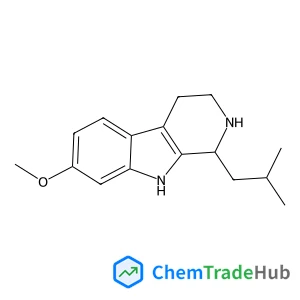
![N-{[(2-Methyl-2-propanyl)oxy]carbonyl}-L-methionylglycine structure](https://static.chemtradehub.com/structs/234/23446-03-9-e1e5.webp "N-{[(2-Methyl-2-propanyl)oxy]carbonyl}-L-methionylglycine structure")