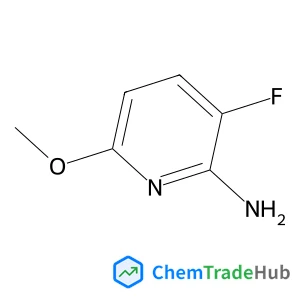
![4,4-Difluoro-2-methyl-1-{[(2-methyl-2-propanyl)oxy]carbonyl}-L-proline structure](https://static.chemtradehub.com/structs/119/1194032-23-9-f426.webp "4,4-Difluoro-2-methyl-1-{[(2-methyl-2-propanyl)oxy]carbonyl}-L-proline structure")
4,4-Difluoro-2-methyl-1-{[(2-methyl-2-propanyl)oxy]carbonyl}-L-proline
CAS Number:
1194032-23-9
Molecular Formula:
C11H17F2NO4
Qian Xu, T.S. Zhao
This work is concerned with the determination of two critical constitutive properties for mass transport of ions through porous electrodes saturated with a liquid electrolyte solution. One is the effective diffusivity that is required to model the mass transport at the representative element volume (REV) level of porous electrodes in the framework of Darcy's law, while the other is the pore-level mass-transfer coefficient for modeling the mass transport from the REV level to the solid surfaces of pores induced by redox reactions. Based on the theoretical framework of mass transport through the electrodes of vanadium redox flow batteries (VRFBs), unique experimental setups for electrochemically determining the two transport properties by measuring limiting current densities are devised. The effective diffusivity and the pore-level mass-transfer coefficient through the porous electrode made of graphite felt, a typical material for VRFB electrodes, are measured at different electrolyte flow rates. The correlation equations, respectively, for the effective diffusivity and the pore-level mass-transfer coefficient are finally proposed based on the experimental data.
Dipankar Ghosh, Ieva Lebedytė, Dmitry S. Yufit, Krishna K. Damodaran, Jonathan W. Steed
DOI: 10.1039/C5CE00901D
Keith Hermann, Yian Ruan, Alex M. Hardin, Christopher M. Hadad, Jovica D. Badjić
DOI: 10.1039/C4CS00140K
Tianpeng Jiao, Shaoran Yang, Bin Liu, Wenjun Zhang, Kaili Zhang
DOI: 10.1039/C9TA00466A
Bi-Cheng Hu, Zhen-Yu Wu, Sheng-Qi Chu, Hong-Wu Zhu, Hai-Wei Liang, Jing Zhang
DOI: 10.1039/C8EE00673C
Anna Fedrigo, Davide Raspino, Francesco Grazzi, Antonella Scherillo
DOI: 10.1039/C9JA00300B
Sachin Kumar, Ghuzanfar Saeed, Nam Hoon Kim
DOI: 10.1039/C8TA00889B
Yanfang Geng, Qingshuo Wei, Kazuhito Hashimoto
DOI: 10.1039/C3TA12297B
Zhen-Zhen Yang, Liang-Nian He, Ya-Nan Zhao, Bin Li, Bing Yu
DOI: 10.1039/C1EE02156G
(5-Sulfamoyl-3-pyridinyl)boronic acid is primarily used in chemical synthesis, p...
Benzyl 2-methyl-2-(methylsulfonyl)-4-pentenoate is typically synthesized via est...
When handling 8-Fluoroquinolin-6-ol (CAS: 209353-22-0), it is important to use p...
1,3-Dibromo-5-(2-methyl-2-propanyl)benzene (CAS: 129316-09-2) is a crystalline c...
Ethyl 7-chloro-4-oxo-1-(1,3-thiazol-2-yl)-1,4-dihydro-1,8-naphthyridine-3-carbox...
When handling Delta-7-Avenasterol (CAS: 23290-26-8), it is important to wear app...
Proper handling involves the use of personal protective equipment such as gloves...
When handling 2-Methyl-2-proanyl 4-[(2-aminophenyl)amino]-1-piperidinecarboxylat...
N-Methyl-4-chlorobenzylamine hydrochloride (CAS: 65542-24-7) is a organic compou...
[2-(Dodecyloxy)ethoxy]acetic acid (CAS: 27306-90-7) is generally considered safe...

Physical Chemistry Chemical Physics (PCCP) is an international journal co-owned by 19 physical chemistry and physics societies from around the world. This journal publishes original, cutting-edge research in physical chemistry, chemical physics and biophysical chemistry. To be suitable for publication in PCCP, articles must include significant innovation and/or insight into physical chemistry; this is the most important criterion that reviewers and Editors will judge against when evaluating submissions. The journal has a broad scope and welcomes contributions spanning experiment, theory, computation and data science. Topical coverage includes spectroscopy, dynamics, kinetics, statistical mechanics, thermodynamics, electrochemistry, catalysis, surface science, quantum mechanics, quantum computing and machine learning. Interdisciplinary research areas such as polymers and soft matter, materials, nanoscience, energy, surfaces/interfaces, and biophysical chemistry are welcomed if they demonstrate significant innovation and/or insight into physical chemistry. Joined experimental/theoretical studies are particularly appreciated when complementary and based on up-to-date approaches.

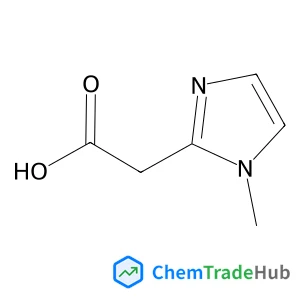
![N-[4-(Cyanoethynyl)phenyl]-16-oxo-4,7,10,13-tetraoxa-17-azahenicos-1-yn-21-amide structure](https://static.chemtradehub.com/structs/218/2183440-36-8-68cb.webp "N-[4-(Cyanoethynyl)phenyl]-16-oxo-4,7,10,13-tetraoxa-17-azahenicos-1-yn-21-amide structure")