



AD
Polyphosphoric acid(CAS: 8017-16-1)
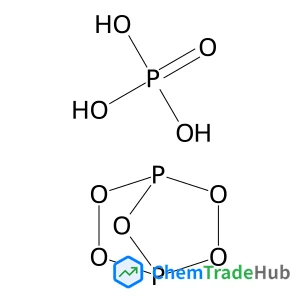
CAS Number
Product Description
Polyphosphoric Acid (PPA), CAS 8017-16-1, is a viscous, colorless to light yellow liquid with strong acidity and hygroscopicity. It is widely used as a dehydrating agent, catalyst, and raw material in organic synthesis, pharmaceutical manufacturing, petrochemical processing, and the production of phosphate salts. Our products comply with relevant industrial standards, with stable quality and reliable supply.
Related Products
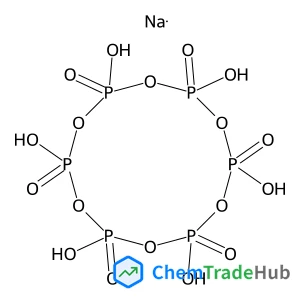
Sodium hexametaphosphate
CAS Number: 10124-56-8
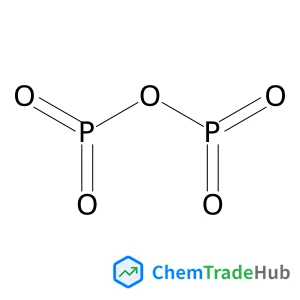
phosphorus pentoxide
CAS Number: 1314-56-3
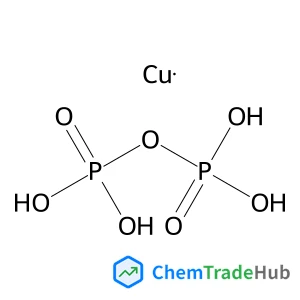
Copper pyrophosphate
CAS Number: 10102-90-6
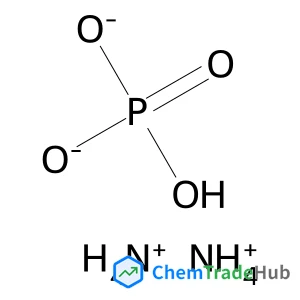
Diammonium phosphate
CAS Number: 7783-28-0
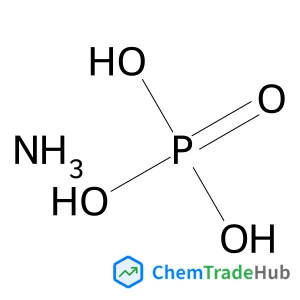
Ammonium dihydrogen phosphate
CAS Number: 7722-76-1
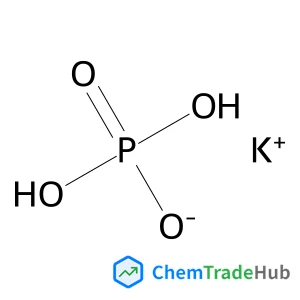
Potassium dihydrogen phosphate
CAS Number: 7778-77-0
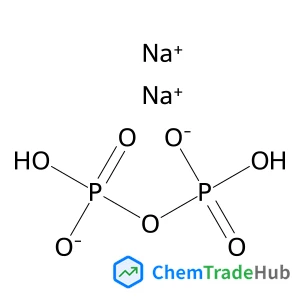
Sodium Acid pyro phosphate
CAS Number: 7758-16-9
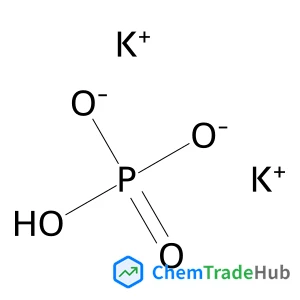
Dipotassium phosphate
CAS Number: 7758-11-4
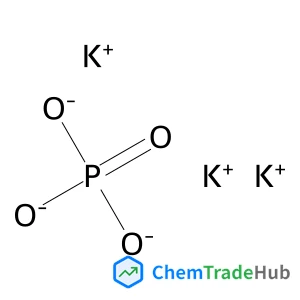
Tripotassium phosphate
CAS Number: 7778-53-2
Other Suppliers for Polyphosphoric acid

Basic Information
Molecular Formula
H3O9P3
Molecular Weight
239.94 g/mol
Physical Properties
Melting Point
16 °C
Boiling Point
300 °C(lit.)
Density
1.9 g/mL at 25 °C
Chemical Identifiers
SMILES
OP(=O)(O)O.O1OP2OOP1O2
InChIKey
FVYIVXLIMHNYTD-UHFFFAOYSA-N
Database References
MDL Number
MFCD00084480
FAQ
Polyphosphoric acid, with the CAS number 8017-16-1, is a complex mixture of phosphoric acid molecules linked by phosphate groups. It is a highly reactive, colorless, and viscous liquid that can vary in molecular structure, typically containing multiple phosphorus atoms. Its high acidity and ability to form long chains make it useful in various industrial and chemical applications.
Polyphosphoric acid is widely used in the pharmaceutical industry for drug synthesis, in the production of adhesives and resins, and in the manufacturing of fertilizers and flame retardants. It also finds applications in food processing as an acidulant and in research for catalytic processes and polymer synthesis. Its versatility stems from its strong acidic properties and reactivity.
Polyphosphoric acid can be hazardous if not handled properly. It is corrosive and may cause skin and eye irritation. Safety standards recommend using protective equipment such as gloves, goggles, and a lab coat. Proper ventilation is essential, and it should be kept away from incompatible substances to prevent dangerous reactions.
Polyphosphoric acid should be stored in a cool, dry, and well-ventilated area, away from direct sunlight. It is typically kept in sealed, corrosion-resistant containers made of materials like polyethylene or glass. Maintaining stable temperature and humidity levels is crucial to prevent decomposition and ensure product integrity.
Safety Notice
Please verify product specifications and safety data before use. Contact the supplier for detailed safety information.
Always follow proper handling procedures

Contact Information
Contact Person
Wander
wander@chuanlinchem.com
Mobile
+8619518893369
Visit Website
www.chuanlinchem.comAddress
Changzhou xinbei