



AD
2,6-DIBROMO-3-HYDROXYPYRIDINE(CAS: 6602-33-1)
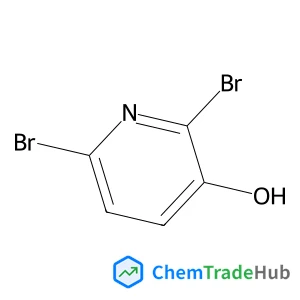
CAS Number
Related Products
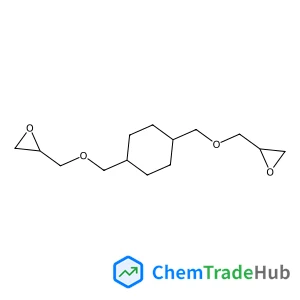

1,8-OCTANEDITHIOL
CAS Number: 1191-62-4

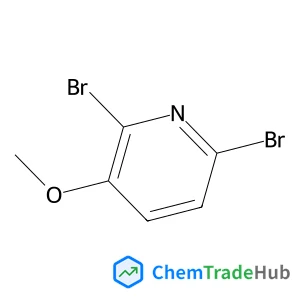
2,6-DIBROMO-3-METHOXYPYRIDINE
CAS Number: 79491-45-5
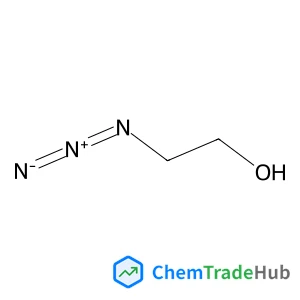
2- Azidoethanol
CAS Number: 1517-05-1
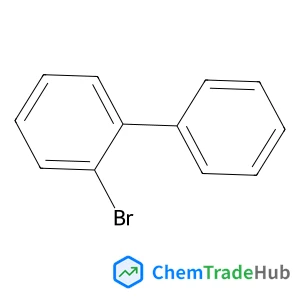
2-BROMOBIPHENYL
CAS Number: 2052-07-5
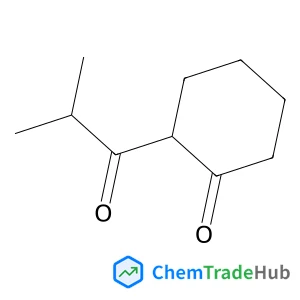
2-ISOBUTYRYLCYCLOHEXANONE
CAS Number: 39207-65-3
2-Isopropyl boronic acid, pinacol ester
26726-62-3
Other Suppliers for 2,6-DIBROMO-3-HYDROXYPYRIDINE







Basic Information
Molecular Formula
C5H3Br2NO
Molecular Weight
252.89 g/mol
Physical Properties
Melting Point
164.0 to 168.0 deg-C
Chemical Identifiers
SMILES
Oc1ccc(Br)nc1Br
InChIKey
RKOLKIWJSXSHLV-UHFFFAOYSA-N
Database References
MDL Number
MFCD01318479
FAQ
2,6-Dibromo-3-pyridinol (CAS: 6602-33-1) is classified under the Globally Harmonized System of Classification and Labeling of Chemicals (GHS) as a hazardous substance. It falls under the European Union’s Registration, Evaluation, Authorization, and Restriction of Chemicals (REACH) regulation. Additionally, it is regulated by the U.S. Environmental Protection Agency (EPA) and the Food and Drug Administration (FDA) for environmental and safety concerns. Proper labeling, storage, and handling procedures must be followed to comply with these regulations.
Yes, there are alternatives to 2,6-Dibromo-3-pyridinol (CAS: 6602-33-1) in synthesis, such as 2,6-Dichloro-3-pyridinol and 2-Bromo-3-pyridinol. These alternatives can be used depending on the specific chemical properties and reactivity required for the synthesis process. However, it is important to evaluate the safety and environmental impact of these alternatives.
The market for 2,6-Dibromo-3-pyridinol (CAS: 6602-33-1) is primarily driven by its use in pharmaceuticals, pesticides, and organic synthesis. Recent research trends focus on its application in developing new drugs and agrochemicals. The demand is expected to grow due to its unique chemical properties and increasing demand in these industries. However, the market is also influenced by regulatory changes and safety concerns.
Waste containing 2,6-Dibromo-3-pyridinol (CAS: 6602-33-1) should be collected in appropriate containers and stored in a well-ventilated area. It should then be disposed of through incineration or professional waste disposal services that comply with local and international regulations. Environmental protection measures, such as proper containment and handling, must be strictly followed to prevent contamination and ensure safety. Compliance with regulatory guidelines, such as GHS and REACH, is essential.
Safety Notice
Please verify product specifications and safety data before use. Contact the supplier for detailed safety information.
Always follow proper handling procedures