



AD
VINYL ACETATE ETHYLENE (VAE)(CAS: 24937-78-8)
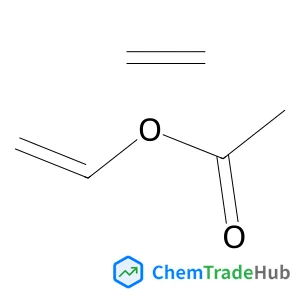
CAS Number
Related Products
ACRYLIC EMULSIONS
CAS Number: 9063-87-0
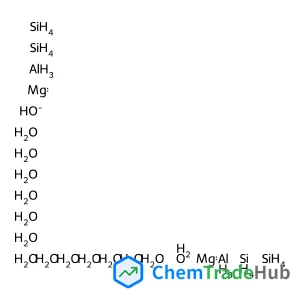
ATTAPULGITE CLAY
CAS Number: 12174-11-7
AIR FLOAT CLAY
CAS Number: 92704-41-1
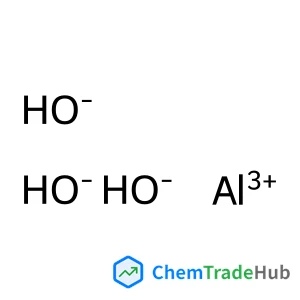
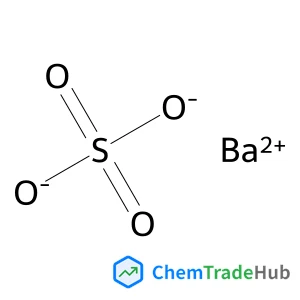
PRECIPITATED BARIUM SULFATE
CAS Number: 13462-86-7
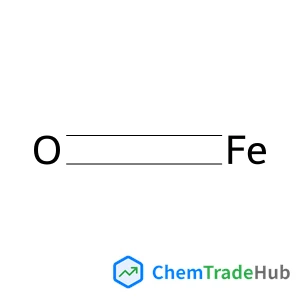
BLACK IRON OXIDE PIGMENT
CAS Number: 1309-38-2
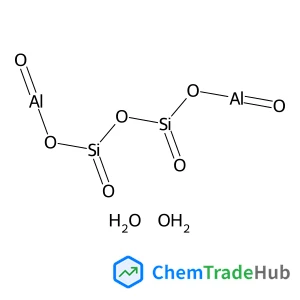
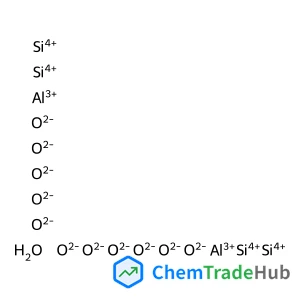
METAKAOLIN
CAS Number: 1332-58-7
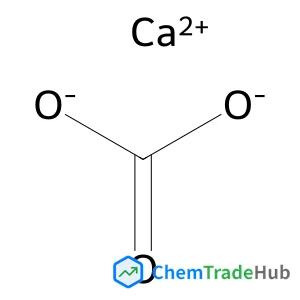
PRECIPIATED CALCIUM CARBONATE
CAS Number: 471-34-1
Other Suppliers for VINYL ACETATE ETHYLENE (VAE)





Basic Information
Molecular Formula
C6H10O2
Molecular Weight
114.14 g/mol
Physical Properties
Melting Point
87 °C
Boiling Point
170.6ºC at 760mmHg
Flash Point
260℃
Chemical Identifiers
SMILES
CC(=O)OC=C.C=C
InChIKey
DQXBYHZEEUGOBF-UHFFFAOYSA-N
Database References
MDL Number
MFCD00133996
FAQ
3-Butenoic acid - ethylene (1:1), with CAS number 24937-78-8, is a chemical compound formed by the combination of 3-butenoic acid and ethylene in a 1:1 molar ratio. It is a colorless liquid with a faint odor, commonly used in chemical synthesis. The compound exhibits moderate reactivity and is characterized by its ester-like structure, making it relevant in various industrial and research applications.
3-Butenoic acid - ethylene (1:1) (CAS: 24937-78-8) is primarily used in the synthesis of organic compounds, particularly in pharmaceutical and polymer industries. It serves as an intermediate in the production of certain drugs and as a building block for creating materials with specific chemical properties. It is also employed in research for developing new chemical products and in some food-related applications as a flavor enhancer.
3-Butenoic acid - ethylene (1:1) (CAS: 24937-78-8) should be handled with care due to its potential to cause skin and eye irritation. It is not classified as highly toxic but requires proper protective equipment, such as gloves and safety goggles, when working with it. Safety standards emphasize good ventilation and adherence to chemical handling protocols to ensure safe use in laboratories and industrial settings.
3-Butenoic acid - ethylene (1:1) (CAS: 24937-78-8) should be stored in a cool, dry, and well-ventilated area, away from direct light. It is best kept in a sealed, dark container to maintain its stability and prevent degradation. Storage conditions should be controlled to avoid moisture and temperature fluctuations, ensuring the compound remains chemically inert and safe for use.
Safety Notice
Please verify product specifications and safety data before use. Contact the supplier for detailed safety information.
Always follow proper handling procedures

Contact Information
Contact Person
Bob Whiteley, Exec. VP
Mobile
973-278-9050
Telephone
973-278-9050
Fax
973-278-9041
Visit Website
https://jns-smithchem.com