



AD
1-PALMITOYL-2-HYDROXY-SN-GLYCERO-3-PC(CAS: 17364-16-8)

CAS Number
Related Products

1,2,3-TRIPALMITOYL-RAC-GLYCEROL
CAS Number: 555-44-2


1,2-O-DIHEXADECYL-SN-GLYCEROL
CAS Number: 67337-03-5
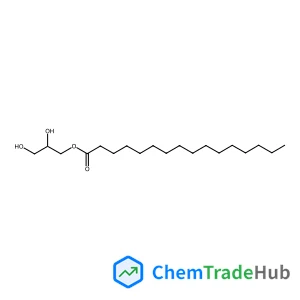
1-PALMITOYL-SN-GLYCEROL
CAS Number: 32899-41-5

ACRIDINE ORANGE, C. I. 46005
CAS Number: 65-61-2



7-dehydrocholesterol (high purity)
CAS Number: 434-16-2

8-DEHYDRO CHOLESTEROL
CAS Number: 70741-38-7
Other Suppliers for 1-PALMITOYL-2-HYDROXY-SN-GLYCERO-3-PC





Basic Information
Molecular Formula
C24H50NO7P
Molecular Weight
495.6 g/mol
Physical Properties
Melting Point
253°C(lit.)
Density
1.47 g/mL at 20 °C(lit.)
Chemical Identifiers
SMILES
CCCCCCCCCCCCCCCC(=O)OCC(COP(=O)([O-])OCC[N+](C)(C)C)O
InChIKey
ASWBNKHCZGQVJV-HSZRJFAPSA-N
Database References
MDL Number
MFCD00036904
FAQ
1-Palmitoyl-sn-glycero-3-phosphocholine (CAS: 17364-16-8) is a phospholipid that is a derivative of phosphatidylcholine. It contains a palmitoyl group attached to the sn-1 position of the glycerol backbone. This compound is a major component of biological membranes and is used in research and pharmaceutical applications.
1-Palmitoyl-sn-glycero-3-phosphocholine (CAS: 17364-16-8) is used in research as a model phospholipid for studying membrane properties and in drug delivery systems. It is also utilized in the food industry as an emulsifier and in pharmaceuticals for its protective and stabilizing properties.
1-Palmitoyl-sn-glycero-3-phosphocholine (CAS: 17364-16-8) is generally considered safe for its intended applications. However, it should be handled with care due to its chemical nature. Users should follow recommended protective measures and avoid contact with skin and eyes.
1-Palmitoyl-sn-glycero-3-phosphocholine (CAS: 17364-16-8) should be stored in a cool, dry place to prevent degradation. Keep the compound away from direct sunlight and store in a sealed container to maintain its stability and prevent oxidation. Optimal storage conditions include a temperature range of 4-8°C and a relative humidity below 60%.
Safety Notice
Please verify product specifications and safety data before use. Contact the supplier for detailed safety information.
Always follow proper handling procedures