



AD
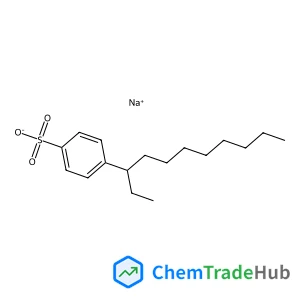
NAXSOFT 40S(CAS: 68081-81-2)
CAS Number
Related Products
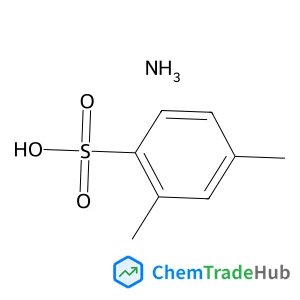
AMMONIUM XYLENESULFONATE - 40%
CAS Number: 26447-10-9
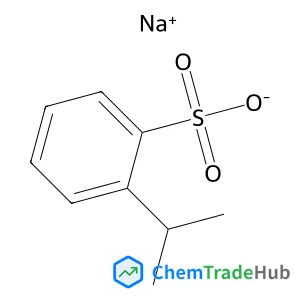
SODIUM CUMENESULFONATE - 93% POWDER
CAS Number: 28348-53-0
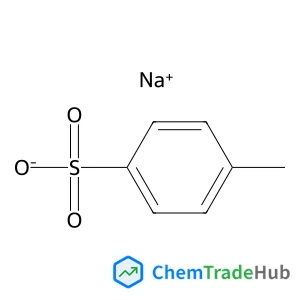
SODIUM TOLUENESULFONATE - 93% POWDER
CAS Number: 12068-03-0
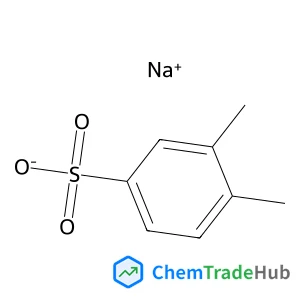
SODIUM XYLENESULFONATE - 93% POWDER
CAS Number: 1300-72-7
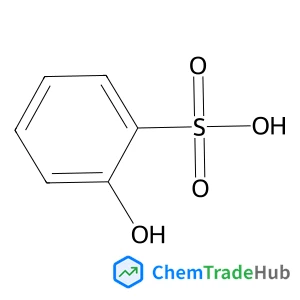
BENZENESULFONIC ACID, HYDROXY
CAS Number: 1333-39-7
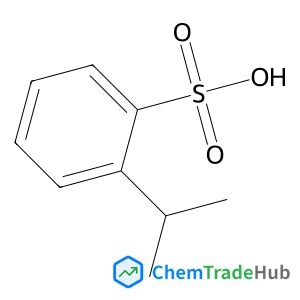
CUMENESULFONIC ACID - 95%
CAS Number: 37953-05-2
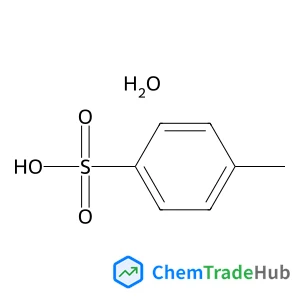
P -TOLUENESULFONIC ACID MONOHYDRATE
CAS Number: 6192-52-5
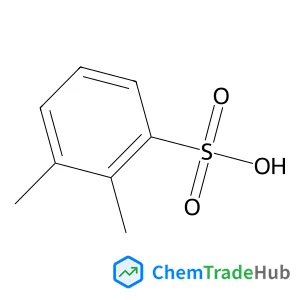
XYLENESULFONIC ACID - 90%
CAS Number: 25321-41-9
Other Suppliers for NAXSOFT 40S






Basic Information
Molecular Formula
C17H27NaO3S
Molecular Weight
334.5 g/mol
Chemical Identifiers
SMILES
CCCCCCCCC(CC)C1=CC=C(C=C1)S(=O)(=O)[O-].[Na+]
InChIKey
HUKUZKXWBQJYTO-UHFFFAOYSA-M
Database References
FAQ
Sodium 4-(3-undecanyl)benzenesulfonate (CAS: 68081-81-2) falls under several regulatory guidelines. It must comply with GHS (Globally Harmonized System of Classification and Labelling of Chemicals) for classification and labeling. In the European Union, it is subject to REACH regulations, requiring registration if imported or manufactured. FDA and EPA guidelines may also apply for its use in pharmaceuticals or environmental applications.
Several alternatives can be used in the synthesis of Sodium 4-(3-undecanyl)benzenesulfonate (CAS: 68081-81-2). Common substitutes include other sulfonated benzenes, such as sodium 4-(3-hexadecanyl)benzenesulfonate, and other alkylated derivatives of benzenesulfonates. These alternatives can offer similar properties and may be more readily available in specific industrial processes.
The market for Sodium 4-(3-undecanyl)benzenesulfonate (CAS: 68081-81-2) is driven by its use in various applications such as surfactants and detergents. Research trends indicate an increase in demand, particularly in industrial cleaning agents and personal care products. Emerging studies also explore its potential in pharmaceuticals and as a green alternative to traditional surfactants.
Waste containing Sodium 4-(3-undecanyl)benzenesulfonate (CAS: 68081-81-2) should be collected in appropriate containment and neutralized using a suitable chemical before disposal. Incineration is a common method for its destruction, but professional waste disposal services are recommended. Environmental precautions include proper labeling, ensuring no spillage, and adherence to local hazardous waste regulations to prevent contamination of soil and water sources.
Safety Notice
Please verify product specifications and safety data before use. Contact the supplier for detailed safety information.
Always follow proper handling procedures