



AD
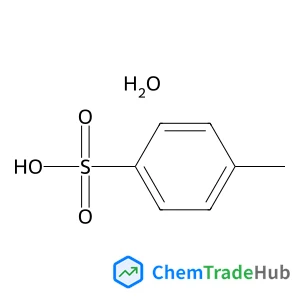
P-TOLUENESULFONIC ACID MONOHYDRATE(CAS: 6192-52-5)
CAS Number
Related Products
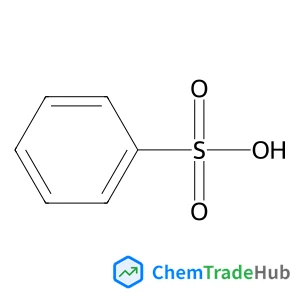
BENZENESULFONIC ACID
CAS Number: 98-11-3
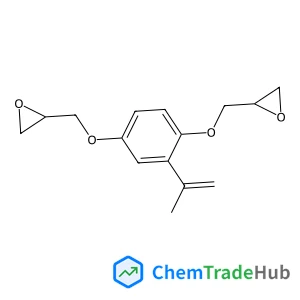
BISPHENOL A EPOXY RESIN
CAS Number: 25085-99-8
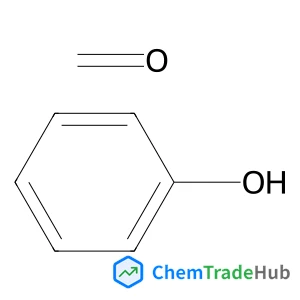
NOVOLAC EPOXY RESIN
CAS Number: 28064-14-4
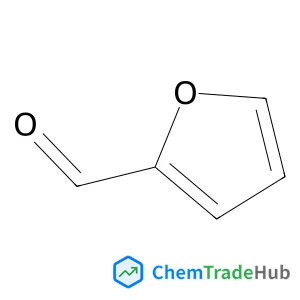
FURFURYL ALCOHOL
CAS Number: 98-00-0
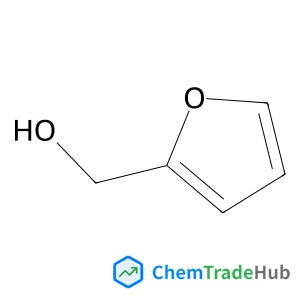
FURFURYL ALCOHOL RESIN
CAS Number: 25212-86-6
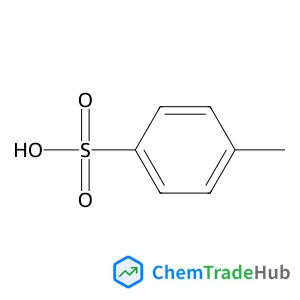
TOLUENESULFONIC ACID
CAS Number: 104-15-4
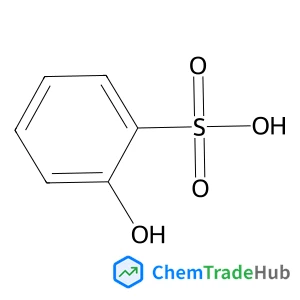
PHENOLSULFONIC ACID
CAS Number: 1333-39-7
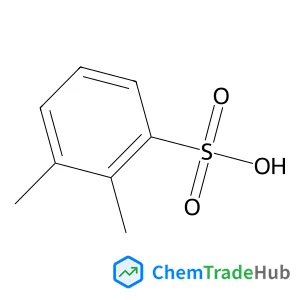
XYLENESULFONIC ACID
CAS Number: 25321-41-9
Other Suppliers for P-TOLUENESULFONIC ACID MONOHYDRATE



Basic Information
Molecular Formula
C7H10O4S
Molecular Weight
190.22 g/mol
Physical Properties
Melting Point
104.0 to 107.0 deg-C
Boiling Point
428.9°C at 760 mmHg
Density
1.24
Flash Point
180 ºC
Chemical Identifiers
SMILES
CC1=CC=C(C=C1)S(=O)(=O)O.O
InChIKey
KJIFKLIQANRMOU-UHFFFAOYSA-N
Database References
MDL Number
MFCD00142137
Beilstein Registry Number
3568023
FAQ
P-Toluenesulfonic acid monohydrate is a white crystalline solid commonly used as a catalyst in organic synthesis. Its chemical formula is C7H8O3S. It is a strong acid with a pKa of around 0.5, and it is soluble in water and many organic solvents. The monohydrate form contains one molecule of water per molecule of acid, which affects its physical properties and solubility.
P-Toluenesulfonic acid monohydrate is widely used in the pharmaceutical industry as a catalyst for esterification and acylation reactions. It also finds applications in polymer synthesis, as a reagent in the production of surfactants, and in the manufacturing of dyes and pesticides. In research settings, it serves as a versatile acid catalyst for various organic transformations.
P-Toluenesulfonic acid monohydrate is generally considered safe when handled properly. However, it is corrosive and can cause skin and eye irritation. It is important to use appropriate personal protective equipment (PPE), such as gloves and goggles, and to work in a well-ventilated area. Safety standards recommend caution during storage and handling to prevent exposure and ensure safe laboratory practices.
P-Toluenesulfonic acid monohydrate should be stored in a cool, dry, and dark place, ideally at temperatures below 25°C. It is sensitive to moisture and should be kept in a sealed container to maintain its stability. To prevent degradation, it should be protected from light and stored away from incompatible materials. Proper storage ensures its effectiveness and safety in both industrial and research applications.
Safety Notice
Please verify product specifications and safety data before use. Contact the supplier for detailed safety information.
Always follow proper handling procedures

Contact Information
Mobile
217-662-2136
Telephone
217-662-2136
Fax
217-662-2268
Visit Website
https://www.dynacheminc.com