



AD
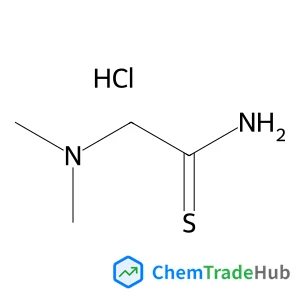
DIMETHYLAMINOTHIOACETAMIDE HYDROCHLORIDE (DAT)(CAS: 27366-72-9)
CAS Number
Related Products
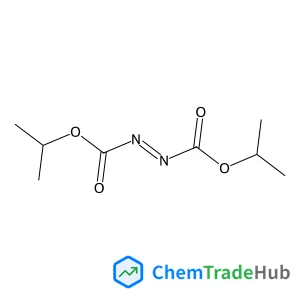
DIISOPROPYLAZODICARBOXYLATE
CAS Number: 2446-83-5
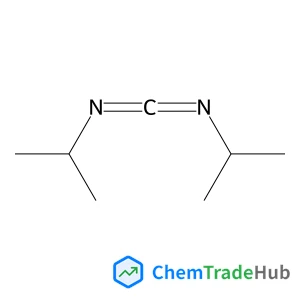
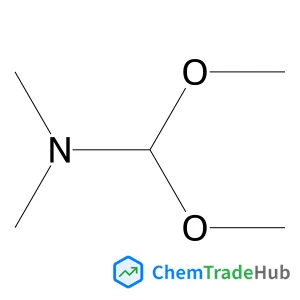
DIMETHOXYMETHYL DIMETHYLAMINE
CAS Number: 4637-24-5
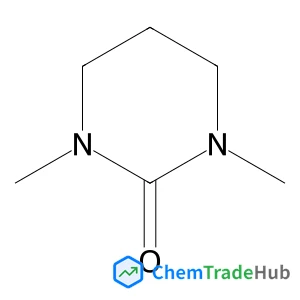
DIMETHYL PROPYLENE UREA
CAS Number: 7226-23-5
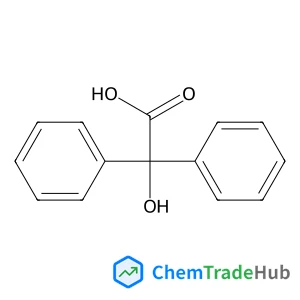
DIPHENYLGLYCOLIC ACID (BENZILIC ACID)
CAS Number: 76-93-7
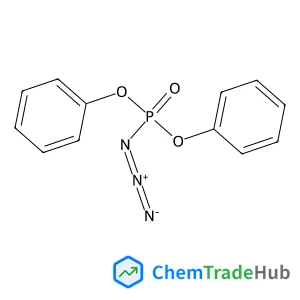
DIPHENYLPHOSPORYL AZIDE (DPPA)
CAS Number: 26386-88-9
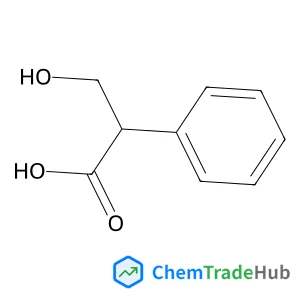
DL-TROPIC ACID
CAS Number: 529-64-6
Other Suppliers for DIMETHYLAMINOTHIOACETAMIDE HYDROCHLORIDE (DAT)





Basic Information
Molecular Formula
C4H11ClN2S
Molecular Weight
154.67 g/mol
Physical Properties
Boiling Point
176℃ at 760 mmHg
Chemical Identifiers
SMILES
CN(C)CC(=S)N.Cl
InChIKey
OQANDCSWKZVVQI-UHFFFAOYSA-N
Database References
MDL Number
MFCD00082925
FAQ
2-(Dimethylamino)ethanethioamide hydrochloride (CAS: 27366-72-9) is a white crystalline solid with a molecular weight of approximately 207.68 g/mol. It has good solubility in water and ethanol. The compound shows basic properties due to the presence of the amine group and reacts with acids to form its hydrochloride salt. It is stable under normal conditions but should be stored in a dry environment to prevent hydrolysis and degradation.
2-(Dimethylamino)ethanethioamide hydrochloride (CAS: 27366-72-9) is synthesized by the reaction of 2-(dimethylamino)ethanethiol with hydrochloric acid. The reaction is typically carried out in a solution of hydrochloric acid at room temperature. The product is isolated by recrystallization from water, yielding a pure crystalline form with high yield and selectivity.
2-(Dimethylamino)ethanethioamide hydrochloride (CAS: 27366-72-9) is primarily used in the pharmaceutical industry as an intermediate in the synthesis of certain drugs. It also has applications in the polymer industry for the preparation of functionalized polymers, and in the sensor industry for use in gas detection systems. Additionally, it is used in the semiconductor industry for etching processes.
When handling 2-(Dimethylamino)ethanethioamide hydrochloride (CAS: 27366-72-9), it is important to use appropriate personal protective equipment (PPE), including gloves, goggles, and a lab coat. The substance should be handled in a fume hood to minimize exposure to fumes. Spills should be cleaned up carefully, and the area should be well-ventilated. Always consult the Safety Data Sheet (SDS) for detailed information on handling and storage conditions.
Safety Notice
Please verify product specifications and safety data before use. Contact the supplier for detailed safety information.
Always follow proper handling procedures
Contact Information
Contact Person
Zeljko Pockaj Vice Preside
Mobile
+41 79 609 0261
Telephone
+41 79 609 0261
Visit Website
https://www.dksh.com