



AD
(�)-TRANS-12,13-EPOXY-9(Z)-OCTADECENOIC ACID(CAS: 17966-13-1)
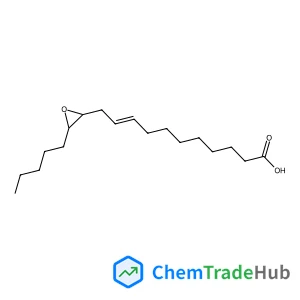
CAS Number
Related Products
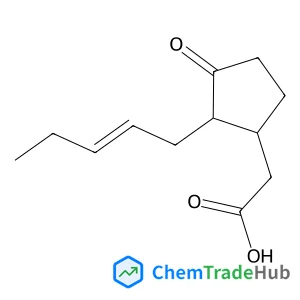
(+-)-7EPI JASMONIC ACID
CAS Number: 62653-85-4
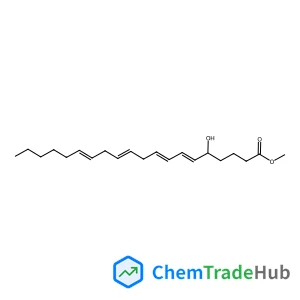
(+/-)-5-HETE METHYLESTER
CAS Number: 70968-99-9
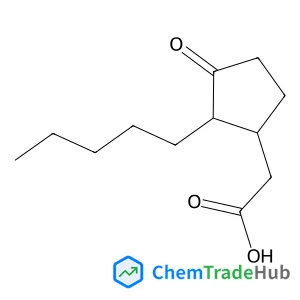
(+/-)-DIHYDROJASMONIC ACID
CAS Number: 76968-33-7
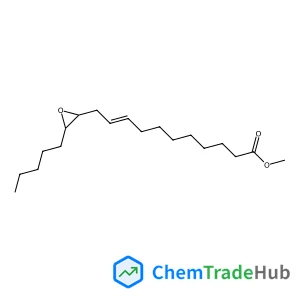
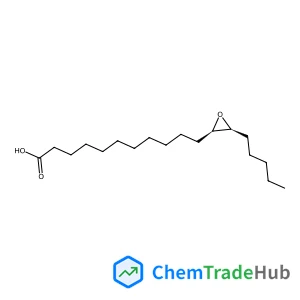
(�)-CIS-12,13-EPOXYOCTADECANOIC ACID
CAS Number: 32381-04-7

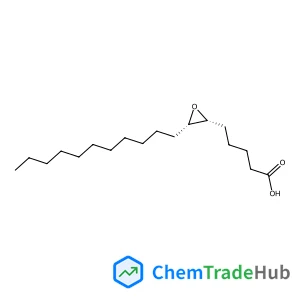
(�)-CIS-6,7-EPOXYOCTADECANOIC ACID
CAS Number: 13980-05-7
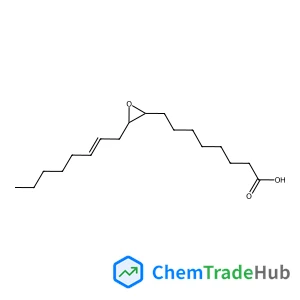
Other Suppliers for (�)-TRANS-12,13-EPOXY-9(Z)-OCTADECENOIC ACID



Basic Information
Molecular Formula
C18H32O3
Molecular Weight
296.4 g/mol
Chemical Identifiers
SMILES
CCCCCC1C(O1)CC=CCCCCCCCC(=O)O
InChIKey
CCPPLLJZDQAOHD-GJGKEFFFSA-N
Database References
FAQ
The (±)-cis-12,13-Epoxy-9(Z)-octadecenoic Acid (CAS: 17966-13-1) is subject to various regulatory guidelines including the Globally Harmonized System of Classification and Labelling of Chemicals (GHS) for its physical and chemical properties. In the European Union, it falls under REACH regulations, which require manufacturers and importers to register substances if they exceed certain tonnage thresholds. Additionally, the Food and Drug Administration (FDA) and Environmental Protection Agency (EPA) have specific requirements for its use and handling in the United States.
There are several alternatives to (±)-cis-12,13-Epoxy-9(Z)-octadecenoic Acid in synthesis. Some common alternatives include other epoxy fatty acids and their derivatives, as well as non-epoxy fatty acids. Commonly used reagents for synthesizing similar compounds include epoxidation reagents such as m-chloroperoxybenzoic acid (mCPBA) and peroxyacetic acid. These alternatives can offer similar functionalities or can be chosen based on specific synthesis requirements and regulatory considerations.
The market for (±)-cis-12,13-Epoxy-9(Z)-octadecenoic Acid (CAS: 17966-13-1) is growing due to its applications in areas such as drug discovery and pharmaceuticals. Research trends are focusing on its potential as a bioactive compound and its use in developing new therapeutic agents. The increasing emphasis on natural product-based drugs is driving demand for such compounds. However, market dynamics can vary based on regulatory changes and economic factors.
How should waste containing (±)-cis-12,13-Epoxy-9(Z)-octadecenoic Acid (CAS: 17966-13-1) be handled?
Waste containing (±)-cis-12,13-Epoxy-9(Z)-octadecenoic Acid (CAS: 17966-13-1) should be handled with caution to comply with environmental regulations. Proper waste collection should be done in dedicated containers, and storage should be secure to prevent leaks or spills. For disposal, it is advisable to use professional waste disposal services that handle hazardous materials. Incineration is a common method, but other methods such as chemical neutralization or biological treatment may be used depending on local regulations and the specific nature of the waste. Always follow local and national guidelines for hazardous waste management.
Safety Notice
Please verify product specifications and safety data before use. Contact the supplier for detailed safety information.
Always follow proper handling procedures

Contact Information
Contact Person
Carl Arev
Mobile
+46-40 16 41 55
Telephone
+46-40 16 41 55
Fax
+46 40 15 54 98
Visit Website
https://www.larodan.com