



AD
(4-BROMO-2-FLUOROPHENYL)(METHYL)SULFANE(CAS: 221030-79-1)
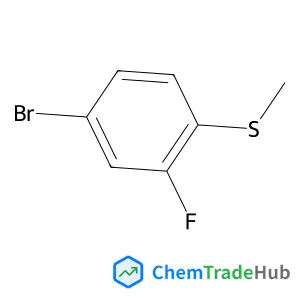
CAS Number
Related Products
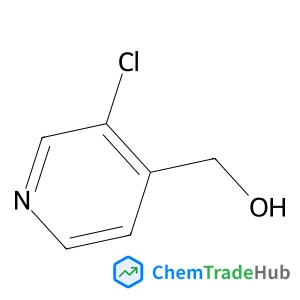
(3-CHLOROPYRIDIN-4-YL)METHANOL
CAS Number: 79698-53-6
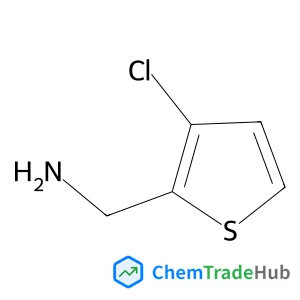
(3-CHLOROTHIOPHEN-2-YL)METHANAMINE
CAS Number: 214759-25-8

(3-ETHYL-4-FLUOROPHENYL)METHANOL
CAS Number: 1135253-08-5

(3-ETHYLPHENYL)METHANOL
CAS Number: 53957-34-9

(3-FLUORO-2-METHYLPHENYL)BORONIC ACID
CAS Number: 163517-61-1



(3-FLUORO-4-NITROPHENYL)BORONIC ACID
CAS Number: 1350451-69-2
Other Suppliers for (4-BROMO-2-FLUOROPHENYL)(METHYL)SULFANE





Basic Information
Molecular Formula
C7H6BrFS
Molecular Weight
221.09 g/mol
Chemical Identifiers
SMILES
CSC1=C(C=C(C=C1)Br)F
InChIKey
YHOVMTICYSGLFD-UHFFFAOYSA-N
Database References
MDL Number
MFCD12756455
FAQ
4-Bromo-2-fluoro-1-(methylsulfanyl)benzene (CAS: 221030-79-1) is a crystalline solid with a molecular weight of approximately 260.01 g/mol. It has a low water solubility of about 0.02 g/L and is moderately soluble in organic solvents like acetone and dichloromethane. The compound is stable under normal conditions but may react with strong bases. It is not flammable but poses a potential risk in high-temperature environments.
4-Bromo-2-fluoro-1-(methylsulfanyl)benzene is typically synthesized through the bromination and sulfenation of 2-fluoro-1-(methylsulfanyl)benzene. This process involves the use of bromine and sodium hydrosulfide in a solvent like ethanol. The reaction is carried out under mild conditions to achieve good selectivity and yield. The exact method may vary depending on the availability of reagents and specific laboratory requirements.
4-Bromo-2-fluoro-1-(methylsulfanyl)benzene (CAS: 221030-79-1) is primarily used in the pharmaceutical industry for the synthesis of complex organic compounds and in the chemical industry for the development of new materials. It is also used in the production of sensors and in semiconductor manufacturing due to its unique chemical properties.
When handling 4-Bromo-2-fluoro-1-(methylsulfanyl)benzene (CAS: 221030-79-1), it is crucial to wear appropriate personal protective equipment (PPE), including gloves, goggles, and a laboratory coat. Work should be conducted in a well-ventilated fume hood to minimize inhalation risks. Spills should be cleaned up immediately using appropriate absorbent materials. Always refer to the safety data sheet (SDS) for more detailed handling and disposal guidelines.
Safety Notice
Please verify product specifications and safety data before use. Contact the supplier for detailed safety information.
Always follow proper handling procedures
Contact Information
Contact Person
Li